What is a Degradable Tray and How Does it Work?
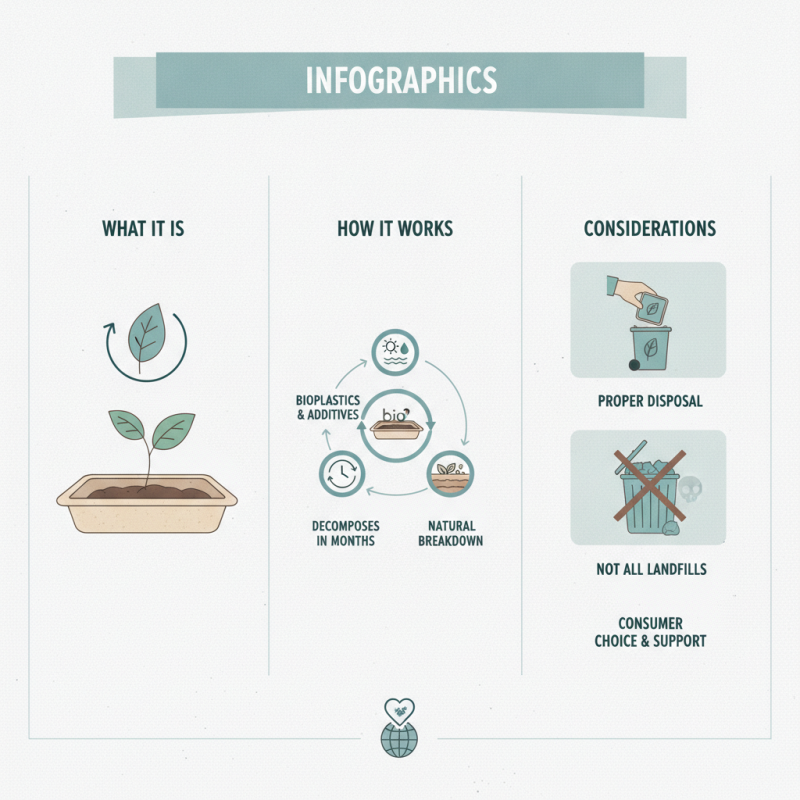
In an era increasingly focused on sustainability, the concept of a "Degradable Tray" emerges as a significant innovation. These trays are designed to break down naturally over time, addressing the pressing issue of plastic waste. Unlike traditional plastic, a degradable tray utilizes specific materials that encourage decomposition.
Understanding how a degradable tray works requires a bit of insight into its composition. Many manufacturers use bioplastics or additives that promote degradation under certain conditions. This process often takes months rather than years, which can greatly reduce environmental impact.
However, the effectiveness of a degradable tray depends on how it is disposed of. Not all trays will decompose in regular landfill conditions. Without proper waste management, the intended benefits might not be realized. As consumers, we must reflect on our choices and support companies committed to true sustainability.
What is a Degradable Tray?
A degradable tray is an innovative packaging solution designed to minimize environmental impact. Made from materials that break down over time, these trays offer a more sustainable option compared to traditional plastic ones. They serve various purposes, from food packaging to product storage. The biodegradable materials can decompose naturally, reducing waste in landfills.
Understanding how a degradable tray works is essential. These trays are often made from natural substances, such as cornstarch or other plant-based materials. When discarded, they undergo a process called biodegradation. Microorganisms in soil or compost break down the material over time. This process can take a few months to several years, depending on conditions like moisture and temperature.
However, it is essential to note that not all degradable trays are created equal. Some may require specific composting conditions to break down effectively. This leads to potential issues in conventional waste systems. Consumers may need to examine their local waste management guidelines to ensure proper disposal. The effectiveness of these trays raises questions about their actual impact on reducing plastic pollution.
Degradable Tray Usage by Material Type
Materials Used in Degradable Trays
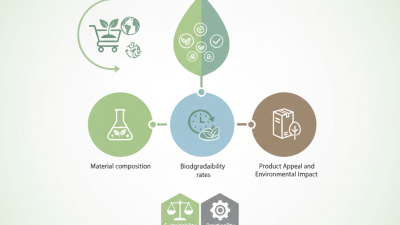
Degradable trays are becoming an essential part of sustainable packaging. These trays are made from materials like PLA (polylactic acid) and CPLA (crystalized PLA). These materials are derived from renewable resources such as corn starch. Recent reports indicate that PLA production has increased by over 15% annually due to rising demand for eco-friendly products.
However, not all degradable materials are perfect. Some degrade under specific conditions, such as industrial compost facilities. Many consumers mistakenly believe they can compost these trays at home. A study highlighted that only 30% of consumers understand the proper disposal of degradable products. This lack of awareness can lead to environmental challenges.
While degradable trays generally reduce plastic waste, there are concerns about their lifecycle. Research shows that their production emits greenhouse gases, although less than traditional plastics. A notable report mentions that life-cycle assessments for these materials still show a need for improvements. The industry must find ways to enhance the degradation process and educate consumers on proper disposal methods.
How Degradable Trays Break Down Over Time
Degradable trays are designed to break down into natural components over time. They use specific materials that decompose when exposed to various environmental conditions. According to a recent report from the Biodegradable Products Institute, degradable materials can reduce plastic waste by more than 30% in landfills.
The degradation process occurs in stages. Microorganisms, moisture, and temperature play pivotal roles. Initially, trays may take several weeks to months to start breaking down. For instance, a study published in Environmental Science & Technology noted that certain degradable plastics could decompose within six months under ideal conditions. Yet, many factors can slow this down, including temperature and the presence of other waste materials.
It's worth considering that not all degradable trays perform equally. Some may require industrial composting facilities to decompose effectively. Many households lack access to these facilities, limiting the effectiveness of the trays. Reports indicate that even in favorable conditions, up to 60% of these products may still remain intact after a composting cycle. This inconsistency raises important questions about the viability of relying solely on degradable solutions for waste management.
Environmental Benefits of Using Degradable Trays
Degradable trays are an innovative solution to combat plastic waste. These trays are made from materials that break down more easily than traditional plastics. They are designed to decompose through natural processes, reducing their environmental impact. Using degradable trays helps minimize landfill overflow, contributing to a more sustainable future.
One notable environmental benefit is the decrease in pollution. Traditional plastic trays can take hundreds of years to break down. In contrast, degradable trays can break down within months, depending on conditions. This faster decomposition reduces the harmful effects of plastic on ecosystems. Wildlife is less likely to ingest or become entangled in discarded trays.
While degradable trays offer promise, challenges remain. Not all degradable materials break down in every environment. It’s essential to consider composting conditions for effective biodegradation. Public awareness of these materials is also crucial. Misunderstandings could lead to improper disposal, negating their environmental benefits. Enhancing education around the correct use of degradable trays is vital for maximizing their impact.
Comparison with Traditional Plastic Trays
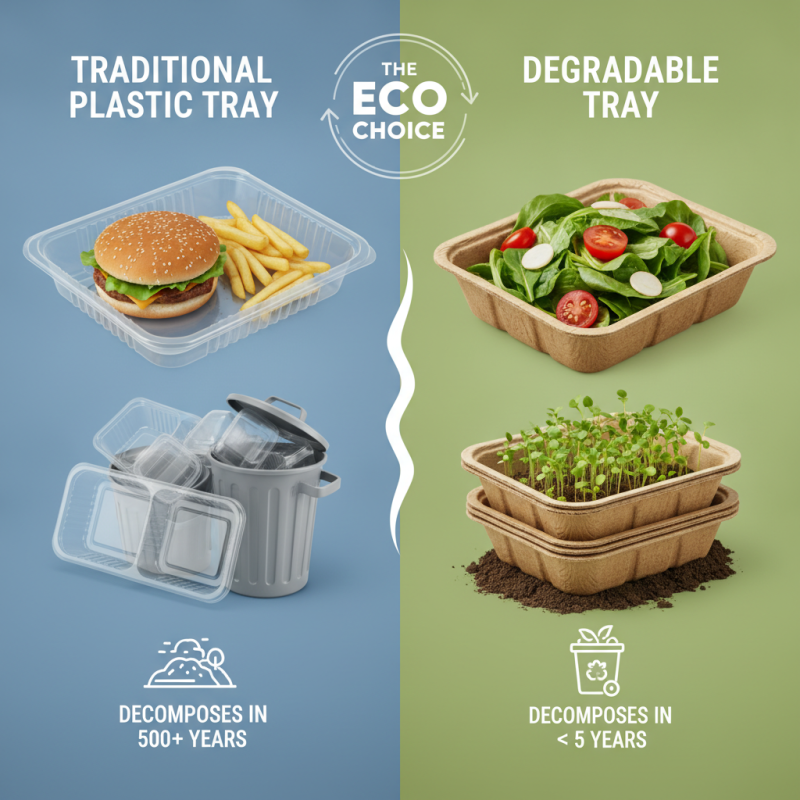
Degradable trays serve as an innovative alternative to traditional plastic trays. The core difference lies in their environmental impact. Traditional plastic trays often take hundreds of years to decompose, contributing significantly to global waste. According to the Environmental Protection Agency, about 27 million tons of plastic waste were generated in the U.S. alone in 2020. In contrast, degradable trays utilize materials designed to break down naturally over a shorter period, often within five years.
Research indicates that switching to degradable options could reduce reliance on fossil fuels. A study published in the Journal of Industrial Ecology stated that using biodegradable materials can decrease greenhouse gas emissions by up to 30%. However, it’s essential to recognize not all degradable products are the same. Some may only degrade under specific conditions, raising questions about their effectiveness in diverse environments. This gap in performance shows the need for better industry standards.
While degradable trays enhance sustainability, they present challenges. Not all consumers understand their proper disposal methods. Mismanagement can lead to these trays ending up in landfills where they may not decompose efficiently. Hence, clear labeling and education efforts are crucial. The journey toward greener packaging solutions requires ongoing reflection and improvement.