What is Compostable Tableware and Why is it Important?
Compostable tableware is an emerging solution for our growing waste problem. As eco-consciousness rises, more consumers seek sustainable options. Traditional plastic tableware contributes to landfills for centuries. In contrast, compostable alternatives break down into natural elements, enriching the soil. This shift reduces pollution and promotes a healthier environment.
Many businesses now offer compostable tableware, ranging from plates to utensils. However, not all products are created equal. Some may still contain harmful additives. Customers should research brands to ensure they choose reputable options.
The importance of compostable tableware extends beyond convenience. It reflects our values as a society aiming for sustainability. By opting for these products, we can collectively support a cleaner planet. Yet, we must also question our consumption habits. Are we truly committed to change, or are we simply following trends? Exploring these questions encourages meaningful reflection on our choices.
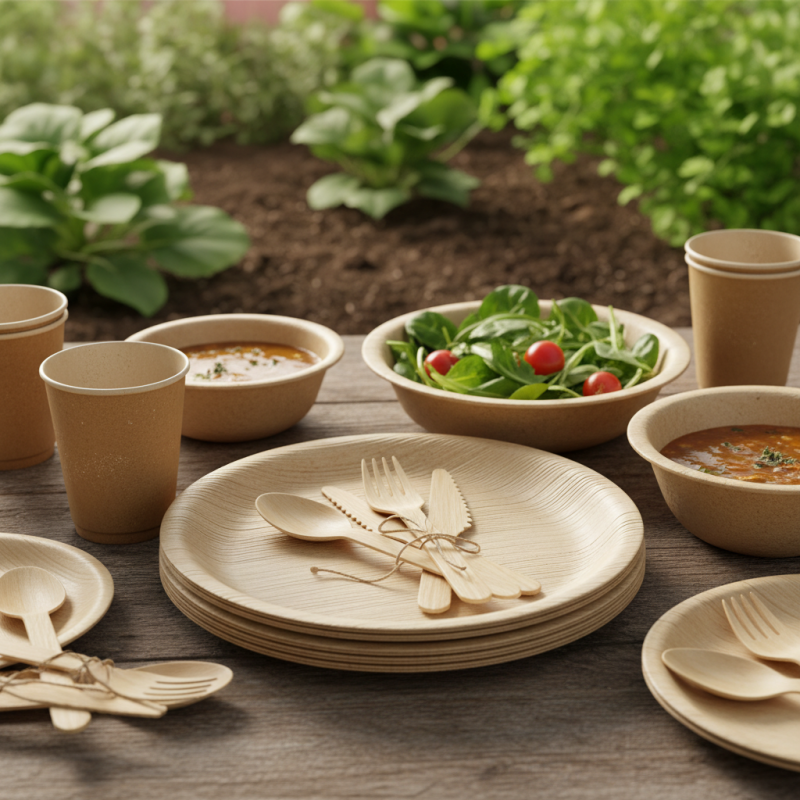
Definition of Compostable Tableware and Its Components
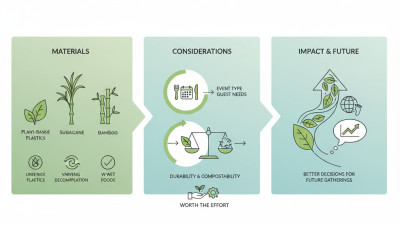
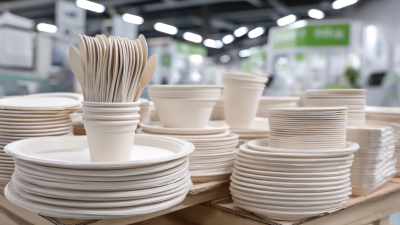
Compostable tableware refers to products designed to break down naturally. This includes items like
plates, cups, and utensils made from organic materials. Many are crafted from plant-based substances
such as cornstarch or sugarcane. When disposed of in a suitable environment, these materials decompose into
nutrient-rich compost.
The importance of compostable tableware is underscored by alarming statistics. The World Economic Forum
states that 300 million tons of plastic waste are generated yearly.
A significant portion of this comes from single-use items. By switching to compostable options, businesses can dramatically
reduce their environmental footprint. Research indicates that compostable materials could reduce landfill contributions by
30% if widely adopted.
While compostable tableware offers a promising alternative, it is not a panacea. Some products may require
industrial composting facilities to break down properly. This can limit
their effectiveness in areas without such services. Additionally, consumer awareness remains low. Many people do not
recognize the difference between compostable and traditional materials. Encouraging education and infrastructure
development is essential for maximizing the benefits of compostable solutions.
The Environmental Impact of Traditional Plastic Tableware
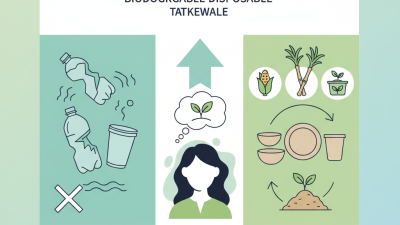
Traditional plastic tableware has a significant environmental impact. Millions of tons of plastic waste end up in landfills and oceans every year. This pollution affects wildlife and ecosystems. Plastic can take hundreds of years to decompose, leaching harmful chemicals in the process. The longevity of these materials poses a threat to our planet.
Using compostable tableware is a promising solution. These products break down naturally, enriching the soil. They provide the same convenience as plastic but without the long-term environmental repercussions. Choosing compostable options supports a circular economy and reduces reliance on fossil fuels.
Tips: Choose certified compostable products to ensure proper breakdown. Always check local composting guidelines. Educate peers about the benefits of compostable alternatives. Small changes can make a big impact. Remember, every choice counts in protecting our planet.
Environmental Impact of Tableware Options
This bar chart illustrates the environmental impact scores of various tableware options. Traditional plastic scores the highest due to its long degradation time and significant pollution impact, while compostable tableware ranks the lowest, indicating its sustainability benefits.
Key Benefits of Using Compostable Tableware
Compostable tableware has gained popularity as an environmentally friendly alternative to plastic. One significant benefit is its positive impact on waste reduction. Traditional plastics take hundreds of years to decompose. In contrast, compostable materials break down quickly. They can transform into nutrient-rich compost, enriching the soil and supporting plant growth.
Another key advantage is the reduction of harmful pollutants. When plastic waste is incinerated, it releases toxic fumes into the atmosphere. Compostable tableware minimizes this risk, as it decomposes without releasing harmful chemicals. This contributes to a cleaner and healthier planet.
While compostable tableware is a crucial step forward, it is not perfect. Some consumers still miss the convenience of single-use plastics. Public awareness about composting processes is limited. Many don’t know where to compost these items effectively. Educating communities about proper disposal methods is vital for change.
What is Compostable Tableware and Why is it Important? - Key Benefits of Using Compostable Tableware
| Dimension |
Description |
Key Benefits |
| Material |
Made from natural fibers such as plant starch, sugarcane, or bamboo. |
Biodegradable and reduces reliance on plastic. |
| Decomposition Time |
Breaks down in 90-180 days under industrial composting conditions. |
Reduces landfill waste and promotes sustainability. |
| Usage |
Ideal for food service, events, and everyday use. |
Convenient and eco-friendly alternative to traditional tableware. |
| Cost |
Generally slightly higher than plastic but decreasing as demand rises. |
Invests in a sustainable future and helps reduce environmental impact. |
| Health Benefits |
Free from harmful chemicals found in conventional plastics. |
Safer for food and reduces chemical leaching. |
How to Identify Truly Compostable Products
Identifying truly compostable products can be challenging. Many items labeled as compostable are not as environmentally friendly as they claim. According to a report by the Biodegradable Products Institute, only a small percentage of compostable materials are certified properly. It’s crucial to look for certifications like ASTM D6400 or EN 13432. These standards ensure products will break down in commercial composting facilities.
Another aspect to consider is the raw materials used. Compostable tableware should be made from plant-based materials. Resources like the American Bioplastics Council indicate that products made from cornstarch or sugarcane are often reliable choices. Inspect labels for information about the origin of materials. Transparency in sourcing reflects a commitment to genuine compostability.
Don’t forget about product performance. Some compostable items may not hold up as well as traditional tableware. Users often report issues with leakage or structural integrity. A study from the National Institutes of Health highlighted a growing concern regarding the effectiveness of composting facilities. If items aren’t handled correctly, they may not decompose at all. Consider these factors when making environmentally conscious choices.
Best Practices for Composting Tableware Effectively
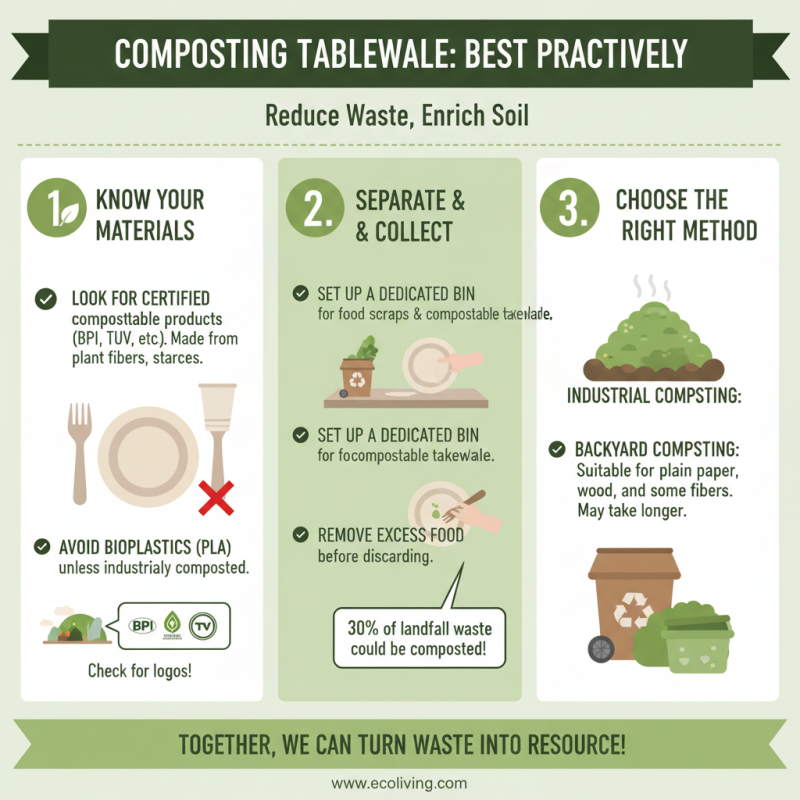
Compostable tableware is made from natural materials, including plant fibers and starches. These materials break down naturally in composting environments. Using compostable products reduces waste in landfills. According to a report by the Biodegradable Products Institute, around 30% of the waste in landfills could potentially be composted. However, not all compostable items break down effectively in standard composting systems.
To compost tableware effectively, it's crucial to follow best practices. Make sure items are certified compostable. Check for appropriate composting facilities in your area. Some facilities may not accept certain types of compostable products. It's important to keep tableware clean and free of food residues. Contamination can lead to entire batches being rejected. Not everyone has access to commercial composting, but backyard composting is an option for many. Keep in mind that not all composting methods achieve the same results.
Maintaining proper composting conditions is vital. Aim for a balance of greens and browns in your compost pile. This ensures a faster breakdown of organic materials. Regularly monitoring moisture and temperature can lead to better compost quality. Engagement in local composting programs helps foster community knowledge. Sharing experiences can improve methods and encourage more sustainable practices. It's crucial to recognize that while compostable tableware is a step forward, it is not a complete solution to the waste crisis.