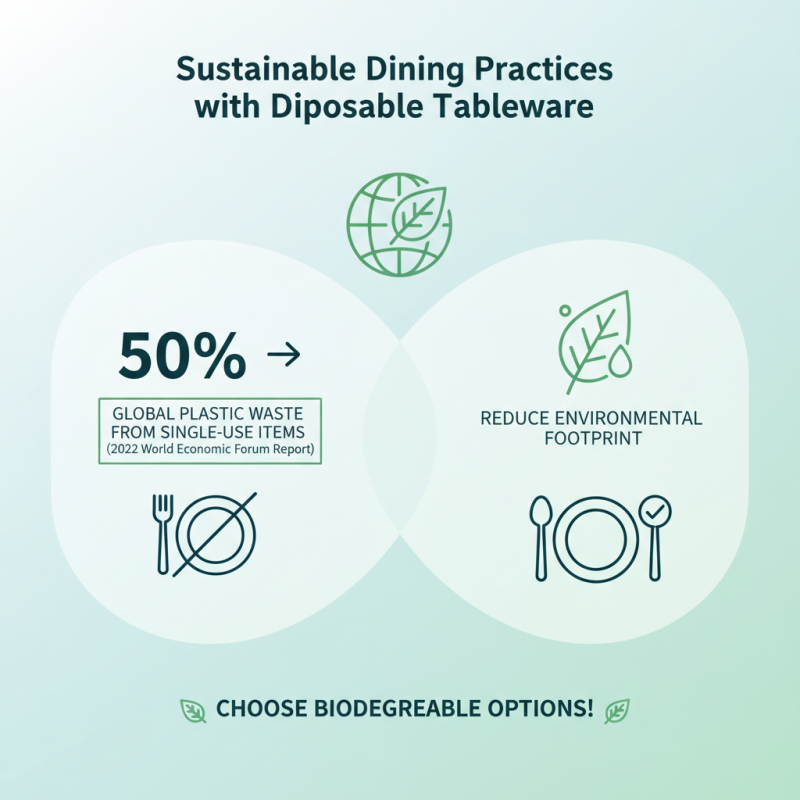
Top Biodegradable Disposable Tableware Options for Sustainable Dining
As the world becomes more environmentally conscious, the demand for Biodegradable Disposable Tableware is on the rise. Experts like Dr. Emily Green, a leading authority in sustainable materials, emphasize its importance. She states, “Switching to biodegradable options can significantly reduce our environmental footprint.” This quote underlines the urgency of embracing innovative dining solutions.
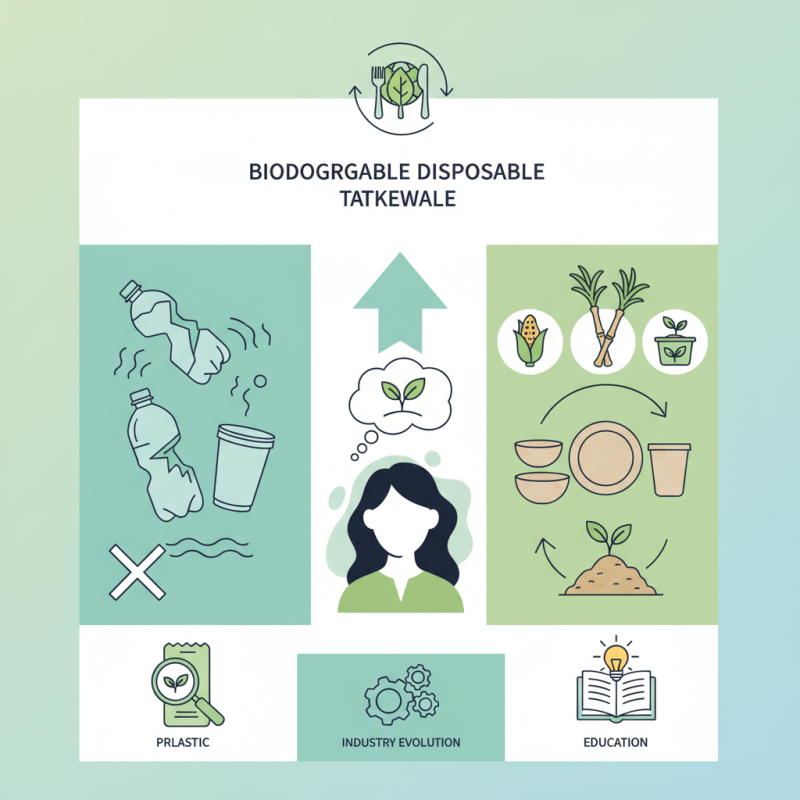
In recent years, traditional disposable tableware has drawn criticism for its environmental impact. Single-use plastics contribute to pollution and waste. Biodegradable Disposable Tableware offers a sustainable alternative. Made from materials like corn starch and sugarcane, these products break down naturally. This shift is crucial for restaurants and caterers looking to reduce waste.
While the options available are promising, challenges remain. Not all biodegradable products perform equally. Some may still require specific conditions to decompose fully. Consumers must choose wisely. Understanding product labels and certifications is essential. As the industry evolves, ongoing education about these materials will foster informed choices.
Overview of Biodegradable Disposable Tableware
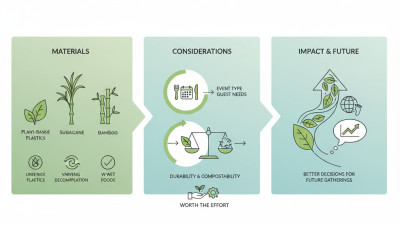
Biodegradable disposable tableware represents a significant step towards sustainable dining practices. Made from materials like cornstarch, bamboo, or sugarcane, these items break down naturally over time. They offer a practical solution for events and daily use, helping to reduce plastic waste in our landfills. As consumers become more eco-conscious, the demand for these products grows. Still, many do not understand the variety available.
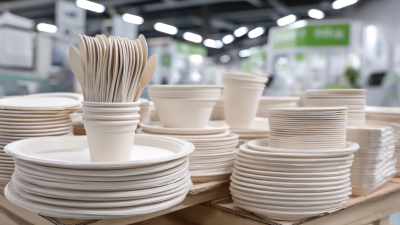
The options can range from plates and utensils to cups and straws. Each type has unique properties that suit different needs. For example, bamboo plates are sturdy and stylish, while cornstarch cups offer lightweight convenience. However, not all biodegradable products decompose at the same rate. Some require specific composting conditions, which may not always be available. Transparency about how and when these items break down is essential for consumers.
Choosing biodegradable tableware may feel overwhelming. The market is still developing, and misconceptions persist. It is crucial to be informed about each option's environmental impact. Products labeled as biodegradable can sometimes contain small amounts of plastic. This complexity can muddy consumer choices, leading to confusion. Understanding the nuances of biodegradable materials can foster a more informed approach to sustainable dining.
Top Biodegradable Disposable Tableware Options for Sustainable Dining
Types of Biodegradable Materials Used in Tableware
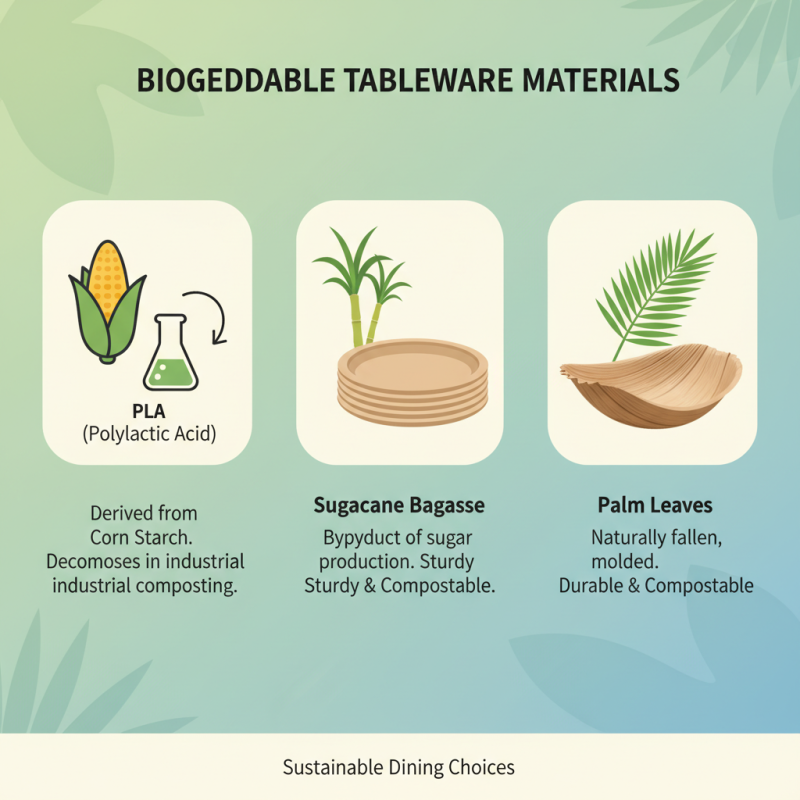
Biodegradable tableware is becoming popular for sustainable dining. Different materials are used to create these eco-friendly options. Common materials include PLA (polylactic acid), sugarcane, and palm leaves. PLA is derived from corn starch. It decomposes quickly in industrial composting facilities. Sugarcane bagasse is a byproduct of sugar production. This material is sturdy and compostable.
Research shows that the global market for biodegradable tableware is projected to reach $5.0 billion by 2026. This growth reflects a rising consumer demand for eco-conscious products. However, not all biodegradable options break down efficiently. Some require specific conditions to decompose, like high temperatures. It can be a challenge for consumers to understand these nuances.
Palm leaf tableware offers another alternative. It is made from naturally fallen leaves and is both sturdy and attractive. It is fully biodegradable within 60 days under proper conditions. Nonetheless, sourcing palm leaves can raise environmental concerns. It is crucial to consider the entire lifecycle of these materials. Awareness is growing in the industry about these complexities. Balancing the benefits and challenges is fundamental for sustainable dining choices.
Benefits of Choosing Biodegradable Tableware for Dining
Choosing biodegradable tableware for dining brings numerous benefits to both the environment and our health. By opting for materials that can break down naturally, we reduce the burden on landfills. Traditional plastic tableware takes centuries to decompose, leading to increased waste. In contrast, biodegradable options decompose within months. This faster breakdown helps protect ecosystems and reduces pollution in our oceans.
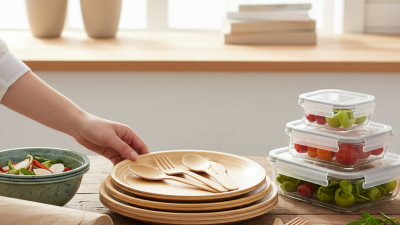
The health aspect of biodegradable tableware is equally important. Many conventional disposable products contain harmful chemicals. These substances can leach into food, posing risks to our well-being. Biodegradable tableware often uses materials that are safer. They’re free from harmful additives, making them a healthier choice for us. Moreover, using these products can elevate the overall dining experience. The aesthetic appeal of natural materials enhances any meal setting.
However, switching to biodegradable options may not always be straightforward. Availability can be an issue, especially in some regions. They might be pricier compared to traditional options. This requires consideration of budget constraints. Despite these challenges, the long-term benefits support a more sustainable lifestyle. Aligning our choices with environmental values can be a transformational journey.
Popular Brands and Products in Biodegradable Tableware
When considering biodegradable disposable tableware, several popular brands and products stand out. These offerings include plates, cutlery, and cups made from materials like cornstarch, sugarcane, and bamboo. Such materials break down more quickly than traditional plastics. Many consumers appreciate this eco-friendliness, but the effectiveness of decomposition can vary significantly.
Some products claim to be compostable, but conditions must be ideal for proper degradation. For instance, many disposable items require industrial composting facilities to break down effectively. Home composting may not yield the same results. This can be frustrating for eco-conscious consumers trying to do their part.
While exploring options, consider the durability and usability of the tableware. Some products may not hold up well with hot or oily foods. Testing different products can lead to mixed experiences. Often, people discover that taste or texture can be affected by the materials used. The quest for truly sustainable dining solutions continues, encouraging dialogue about the best practices for reducing waste in our daily lives.