How to Choose Eco-Friendly Tableware for Sustainable Dining?
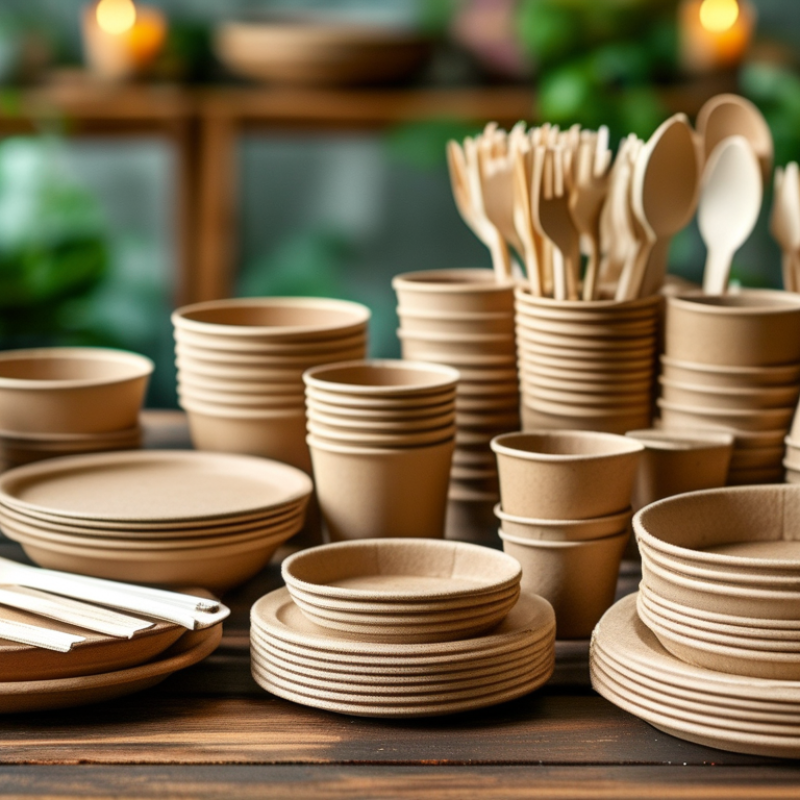
In today's world, Eco-Friendly Tableware is becoming increasingly important. With the rise of environmentally-conscious dining, consumers are seeking sustainable options. Many people overlook the impact of disposable tableware on our planet. Choosing the right eco-friendly options can make a significant difference.
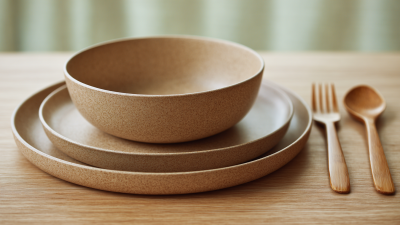
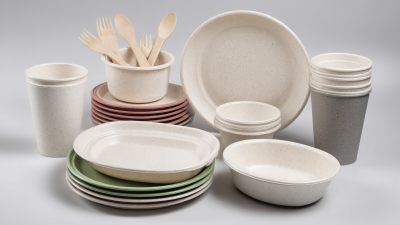
When selecting Eco-Friendly Tableware, consider materials like bamboo, recycled plastic, or compostable fibers. These choices reduce waste and lower your carbon footprint. However, not all products labeled as "eco-friendly" are truly sustainable. It’s crucial to research and ensure the products meet ethical standards.
Reflecting on personal choices can deepen one’s understanding of sustainability in dining. Are you prioritizing visual appeal over environmental impact? Questions like these can help guide better decisions. Ultimately, the goal is to enjoy meals while caring for our planet.
Understanding Eco-Friendly Tableware Options and Materials
When choosing eco-friendly tableware, material options play a crucial role in sustainability.
Bamboo tableware is a popular choice due to its rapid growth and minimal environmental impact.
According to a report by the International Union for Conservation of Nature, bamboo cultivation can reduce soil erosion and improve biodiversity.
This makes it an excellent material for individuals seeking sustainable dining solutions.
Compostable materials have gained traction in recent years.
Products made from plant-based bioplastics can decompose in a commercial composting facility within 90 days.
A study from the Ellen MacArthur Foundation claims that using these materials could significantly reduce plastic pollution.
Yet, it’s vital to ensure that labeling is clear. Many products marketed as “biodegradable” may still harm the environment if not disposed of correctly.
Recycled paper and cardboard are also viable options.
These materials often use less energy compared to virgin materials.
The National Recycling Coalition indicates that recycling paper can save up to 70% of the energy required to produce new paper products.
However, consumers should be cautious; not all recycled products perform equally.
Some might lack durability, leading to an increase in waste.
Understanding and evaluating these options can help consumers make more informed choices.
Evaluating Biodegradable vs. Reusable Tableware Choices
Choosing eco-friendly tableware is essential for sustainable dining. When evaluating biodegradable versus reusable options, it’s crucial to consider both benefits and limitations. Biodegradable tableware often breaks down under specific conditions, which may not always be available in your local waste facilities. While they seem convenient, some biodegradable materials are only compostable in industrial settings.
Reusable tableware has clear advantages. It reduces waste and can be made from sustainable materials like bamboo or recycled plastics. However, cleaning these items requires water and energy, which can also have environmental impacts. Reflect on your lifestyle. How often will you use your reusable dishes? Think about storage, cleaning time, and potential wear and tear.
Tips for choosing the right type include understanding your local waste management practices. Check if they can handle biodegradable products effectively. Look for certifications that show materials are genuinely sustainable. Consider your dining habits and select options that minimize single use while fitting your routine. Emphasizing sustainability requires an ongoing evaluation of our choices. Every effort counts, but challenge yourself to keep improving.
Comparison of Eco-Friendly Tableware Options
Assessing the Environmental Impact of Common Tableware Materials
When choosing tableware, consider the environmental impact of the materials. Traditional options, like ceramic and glass, are durable but often energy-intensive to produce. Reusable yet lightweight, bamboo and palm leaf tableware are gaining popularity. They offer a sustainable alternative with minimal waste.
Plastic products are everywhere, but they contribute to pollution. Most plastics are not biodegradable and can take centuries to break down. Eco-friendly plastics exist, yet they are often less well-known. Research proves that compostable materials like sugarcane bagasse can reduce environmental harm significantly.
It's crucial to question the practices behind the production of tableware. Even “green” products may have hidden environmental costs. Consider supply chains and energy usage during manufacturing. Some materials may seem eco-friendly but rely on unsustainable practices. Balancing sustainability with practicality requires careful evaluation and thoughtful choices.
How to Choose Eco-Friendly Tableware for Sustainable Dining? - Assessing the Environmental Impact of Common Tableware Materials
| Material |
Biodegradability |
Recyclability |
Carbon Footprint (per kg) |
Sustainability Rating |
| Bamboo |
Yes |
No |
1.0 kg CO2 |
High |
| Corn Starch |
Yes |
Yes |
1.5 kg CO2 |
Medium |
| Plastic (Biodegradable) |
Yes |
Yes |
2.5 kg CO2 |
Medium |
| Fine China |
No |
Yes |
3.2 kg CO2 |
Low |
| Recycled Paper |
Yes |
Yes |
0.5 kg CO2 |
High |
Tips for Choosing Certified Sustainable Tableware Brands
Choosing certified sustainable tableware can significantly impact the environment. It reflects a commitment to eco-friendly practices. When selecting tableware, look for certifications that ensure ethical sourcing and minimal environmental impact. This can include materials like bamboo, recycled glass, or biodegradable plastics.
Certifications from recognized organizations indicate a brand’s dedication to sustainability. Check if the tableware brand has third-party endorsements. These endorsements ensure that the products meet rigorous environmental standards. Transparency in sourcing is also essential. Brands should provide information about their manufacturing processes.
You might find that some brands use misleading terms, claiming to be eco-friendly without proper certification. It’s vital to read labels carefully. Reflect on your choices—think about the entire lifecycle of the product. Sustainable dining isn't just about materials; it’s about mindful consumption and reducing waste.
Caring for Eco-Friendly Tableware to Enhance Longevity and Use
Caring for eco-friendly tableware is vital for maintaining its integrity and reducing environmental impact. Many eco-friendly materials lack the durability of traditional options. Research from the EPA indicates that improperly cared-for tableware contributes to additional waste. This emphasizes the importance of proper maintenance practices.
To enhance longevity, handwashing is recommended. Many eco-friendly products are not dishwasher safe. Using mild, biodegradable soap can prevent damage. Avoid abrasive sponges that could scratch surfaces. A soft cloth provides a gentle touch and helps maintain the appearance of your tableware.
Storing your eco-friendly tableware correctly is equally important. Avoid stacking them too tightly, as this can lead to chips or cracks. Instead, use dividers or cloth to separate items. Regularly inspect for wear and replace any damaged pieces to minimize overall waste.
Don’t underestimate the impact of how you treat your tableware. Educating yourself about the best care practices can make a significant difference. Embrace these tips for a more sustainable and enjoyable dining experience.