What is Biodegradable Small Plates and Why Are They Important?
Biodegradable Small Plates are gaining traction in today's environmentally conscious market. As we seek sustainable options, these plates offer a practical solution. “The future of dining is sustainable," states Dr. Emily Johnson, a leading expert in eco-friendly materials. This insight underscores the growing importance of biodegradable products.
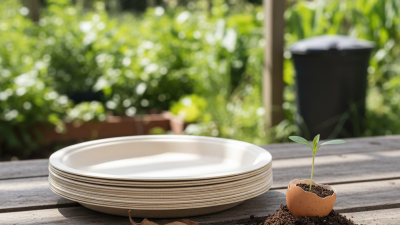
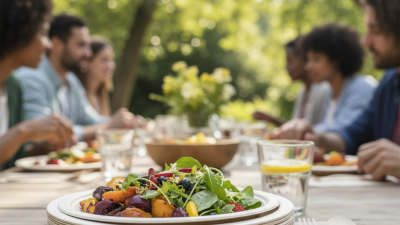
These small plates are made from natural materials. They break down over time, reducing waste in landfills. Unlike traditional plastic plates, biodegradable options protect our environment. For caterers and households, they ensure convenience without the guilt.
Despite their benefits, challenges remain. Not all biodegradable options decompose at the same rate. It's crucial to select high-quality products. Consumers must also consider how to dispose of them properly. By making informed choices, we can embrace biodegradable small plates effectively.
Definition of Biodegradable Small Plates
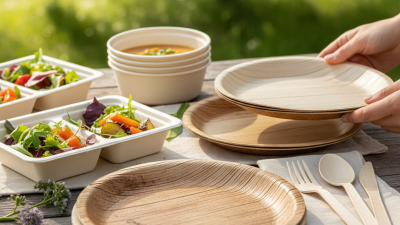
Biodegradable small plates are eco-friendly alternatives to traditional plastic or Styrofoam plates. They are made from natural materials, such as cornstarch, bamboo, and sugarcane. Unlike conventional plates, these biodegradable options break down naturally in the environment. This process reduces waste and pollution significantly.
When choosing biodegradable plates, consider their sourcing. Look for products that ensure responsible harvesting and production. Many options are compostable, meaning they can return nutrients to the soil. This characteristic promotes a circular economy, where waste becomes a resource.
Tips for using biodegradable small plates can enhance your experience. Always check the certification labels for assurance of quality. Avoid using these plates in high-temperature settings, like microwaves, as it may affect their integrity. Additionally, remember that while biodegradable, these plates still require a proper disposal method to ensure they break down effectively. Taking these steps can contribute to a more sustainable future.
Materials Used in Biodegradable Small Plates
Biodegradable small plates are made from eco-friendly materials that decompose naturally. Common materials include sugarcane bagasse, bamboo, and palm leaves. Sugarcane bagasse is a byproduct of sugar production, making it a sustainable option. Bamboo grows rapidly and requires minimal resources to cultivate. Palm leaves offer a unique texture and are typically collected without harming trees.
When choosing biodegradable plates, consider the environmental impact. Ensure they are certified to break down efficiently in composting conditions. Look for products that use minimal processing. This helps retain the natural characteristics of the materials.
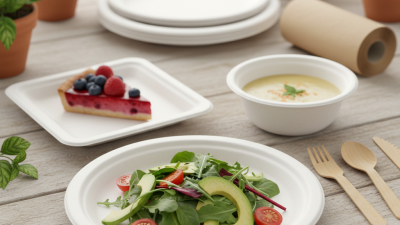
Tips: Try to pair biodegradable plates with compostable utensils. This ensures a fully eco-friendly dining experience. Also, check local composting facilities for their acceptance of these plates. Not all facilities can process biodegradable items, so it's essential to do some research.
Benefits of Using Biodegradable Small Plates
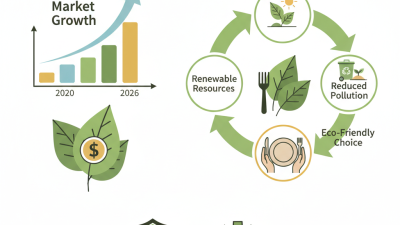
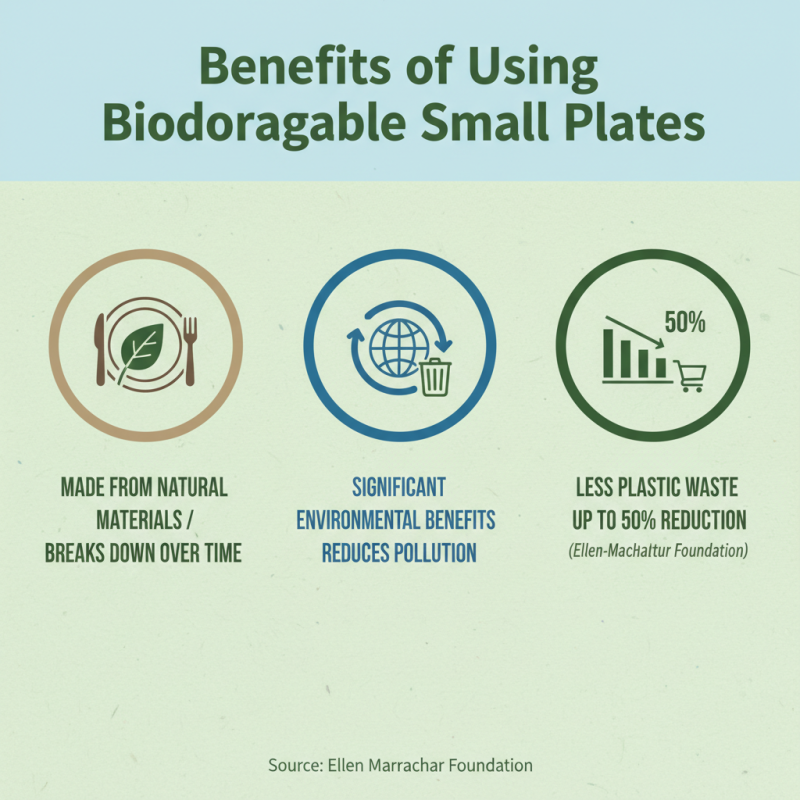
Biodegradable small plates are made from natural materials designed to break down over time. This shift can have significant environmental benefits. In fact, a study by the Ellen MacArthur Foundation shows that switching to biodegradable options could reduce plastic waste by up to 50% in some regions.
Using biodegradable small plates helps lower carbon emissions. According to a report from the Biodegradable Products Institute, these plates generate 70% less greenhouse gas compared to traditional plastic. This is a crucial factor as climate change continues to threaten our ecosystem.
**Tips:** Look for certifications when choosing biodegradable products. Check for reliable labels that indicate whether the plates are indeed compostable or made from renewable resources. Remember, not all biodegradable options are created equal. Some may still leave harmful residues.
Moreover, adapting to biodegradable small plates requires reflection on consumption habits. It’s easy to resort to convenience. But every small choice counts toward sustainability. Choosing responsibly can have a ripple effect, inspiring others to make similar changes.
Environmental Impact of Traditional vs. Biodegradable Plates
The environmental impact of traditional plates is significant. Many are made from plastic, which takes hundreds of years to decompose. They end up in landfills, contributing to soil and water pollution. As they break down, they release harmful chemicals. This not only harms wildlife but also affects human health.
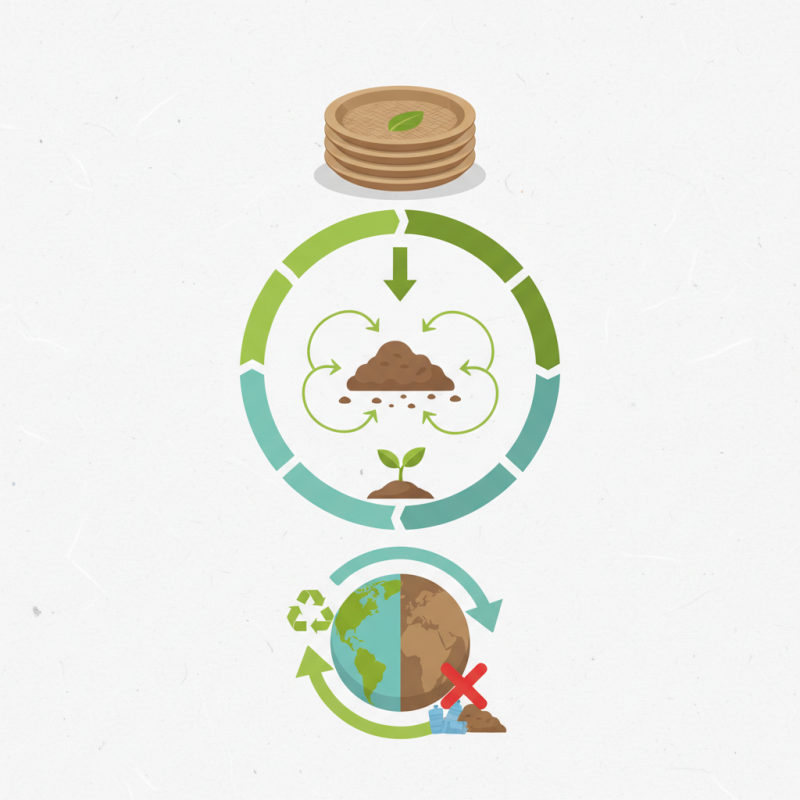
Biodegradable plates offer a great alternative. They break down in a fraction of the time, usually within 90 to 180 days. Made from materials like sugarcane or palm leaves, they return nutrients to the soil. However, not all biodegradable products degrade in every environment. Some require specific conditions that aren’t always available. This highlights a need for awareness and proper disposal practices.
Choosing biodegradable options matters. They help reduce waste and lower pollution levels. However, consumer education is essential. People must understand the difference between biodegradable and compostable. Without this knowledge, we risk contributing to the very problem we are trying to solve. Every choice we make impacts the planet, urging a shift towards more sustainable practices in everyday life.
Environmental Impact of Traditional vs. Biodegradable Plates
How to Properly Dispose of Biodegradable Small Plates
Biodegradable small plates offer a sustainable alternative to traditional disposable plates. Understanding how to dispose of these plates properly is crucial for minimizing their environmental impact. When you finish your meal, avoid tossing them in regular trash. Instead, check for composting facilities nearby.
Composting biodegradable plates can effectively return nutrients to the soil. Many biodegradable plates are made from plant materials that break down over time. However, not all composting facilities accept them, so it's essential to verify this before disposal. If you do not have access to a composting service, consider home composting if feasible.
It’s important to remember that biodegradable does not mean immediate. These plates can take months to decompose. Leaving them in a landfill defeats their purpose. Misunderstanding their disposal can contribute to environmental harm. Reflecting on our choices is necessary to truly embrace sustainability.
What is Biodegradable Small Plates and Why Are They Important?
| Dimension |
Details |
| Material |
Cornstarch, Bamboo, Palm Leaf |
| Decomposition Timeframe |
3 to 6 months |
| Key Benefits |
Reduces landfill waste, eco-friendly, compostable |
| Usage Scenarios |
Parties, picnics, catering events |
| Proper Disposal Method |
Compost them, do not throw in regular trash |