Top 10 Tips for Using Disposable Bamboo Pulp Bento Boxes for Eco Friendly Meals
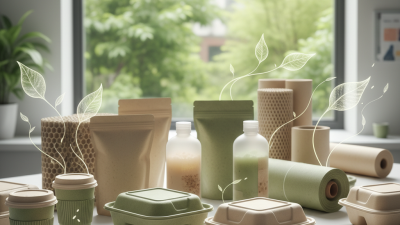
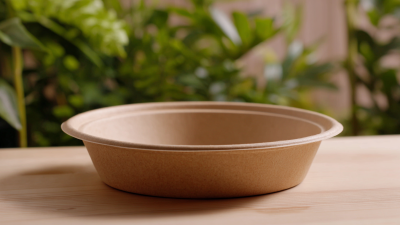
In today's fast-paced world, the demand for eco-friendly meal solutions is on the rise, and one innovative option gaining popularity is the Disposable Bamboo Pulp Bento Box. Designed for both convenience and sustainability, these bento boxes are crafted from renewable bamboo pulp, presenting a green alternative to traditional plastic meal containers. Industry expert Dr. Emily Greenfield emphasizes the importance of adopting sustainable practices, stating, "Choosing products like Disposable Bamboo Pulp Bento Boxes not only reduces plastic waste but also promotes a healthier planet for future generations."
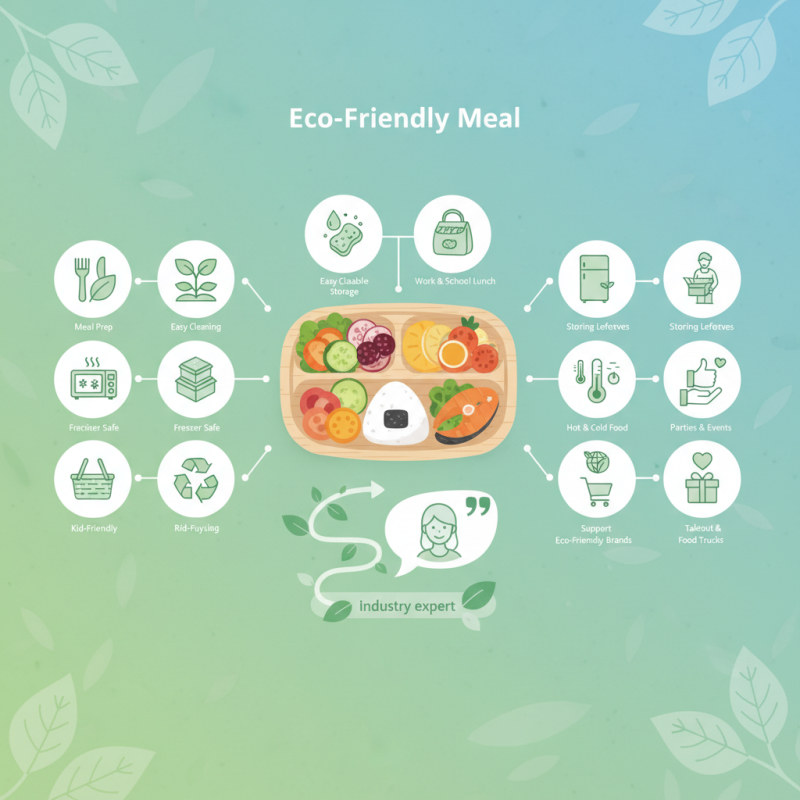
The versatility of Disposable Bamboo Pulp Bento Boxes makes them ideal for various dining scenarios, whether it's packing a lunch for work, storing leftovers, or serving meals at gatherings. By incorporating these environmentally friendly solutions into our daily routines, we can significantly lessen our ecological footprint while enjoying the practicality of disposable packaging. In this guide, we will delve into the top 10 tips for using Disposable Bamboo Pulp Bento Boxes effectively, allowing individuals to embrace eco-conscious eating without sacrificing convenience or style. Through thoughtful usage, we can contribute to a more sustainable lifestyle while relishing our favorite meals.
Understanding the Benefits of Disposable Bamboo Pulp Bento Boxes
Disposable bamboo pulp bento boxes are gaining traction as a sustainable alternative in the food packaging industry. With environmental concerns at an all-time high, these eco-friendly options offer a practical solution. According to a report by Research and Markets, the global biodegradable foodservice disposables market is expected to grow at a compound annual growth rate (CAGR) of 14.5% from 2021 to 2026, driven by the increasing demand for sustainable packaging solutions. Bamboo pulp, as a raw material, comes from a renewable source that grows rapidly, making it a highly sustainable choice compared to traditional plastic or Styrofoam products.
One of the key benefits of using disposable bamboo pulp bento boxes is their biodegradability. Unlike conventional disposable containers that can take hundreds of years to decompose, bamboo pulp products break down naturally within months. The World Economic Forum highlights that adopting biodegradable materials could divert up to 80 million tons of waste from landfills by 2040, significantly reducing environmental impact. Moreover, bamboo is naturally resistant to bacteria, enhancing food safety while minimizing the use of harmful chemicals in the production process. Sustainable packaging not only supports the planet but also resonates with eco-conscious consumers, urging businesses to adopt greener practices in their operations.
Choosing the Right Size and Design for Your Meal Needs
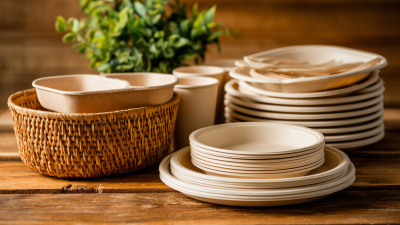
When selecting disposable bamboo pulp bento boxes for your eco-friendly meals, it's essential to consider the size and design that best fits your specific meal needs. First, think about the portion sizes you typically serve. Bento boxes come in various dimensions, and choosing one that accommodates your meal portions helps in preventing food waste. For example, larger boxes are suitable for multi-course meals or servings with sides, while smaller boxes are ideal for snacks or light lunches.
In addition to size, the design of the bento box plays a crucial role in meal presentation and usability. Look for compartments that can help keep different food items separate, enhancing the visual appeal of your meal. Some designs feature secure lids that help retain freshness and prevent spills. Choosing a box with a design that aligns with your culinary style—whether it's minimalist or more colorful—can also elevate the overall dining experience, making it enjoyable and sustainable. Understanding these aspects ensures that you select the right disposable bamboo bento box that meets both your practical and aesthetic requirements.
Top 10 Tips for Using Disposable Bamboo Pulp Bento Boxes for Eco Friendly Meals
This chart illustrates the popularity rating of various sizes of disposable bamboo pulp bento boxes. As seen, medium-sized boxes are the most popular among users, demonstrating the demand for eco-friendly meal options.
Creative Ways to Prepare Eco-Friendly Meals in Bento Boxes
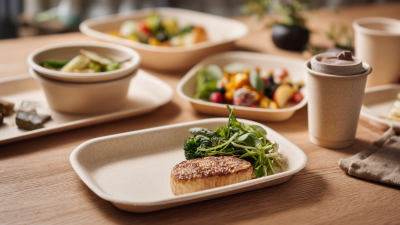
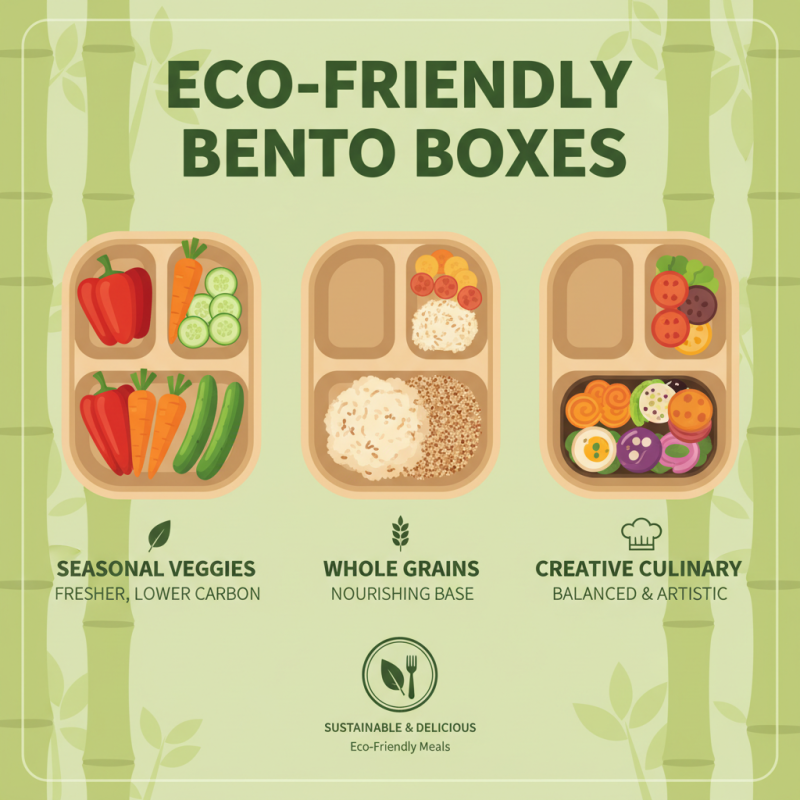
Preparing eco-friendly meals in disposable bamboo pulp bento boxes is not only a sustainable choice but also a creative outlet for your culinary skills. Start by incorporating seasonal vegetables into your meals, as they are not only fresher but also have a lower carbon footprint. Opt for a colorful array of veggies like bell peppers, carrots, and cucumbers, and arrange them aesthetically in your bento box. Pair them with whole grains such as quinoa or brown rice for a nourishing base, making sure each bento box is balanced and visually appealing.
Moreover, think outside the box when it comes to proteins. Instead of traditional meats, consider options like chickpeas, lentils, or tofu, which can be marinated and grilled for added flavor. A unique twist could involve creating a 'sushi bento' with flavored rice and fillings like avocado, cucumber, and pickled vegetables, neatly rolled and cut for easy consumption. Finally, don’t forget to include a small section for healthy snacks like nuts or dried fruits, making your bento boxes not just meals but delightful experiences that promote sustainability and creativity in the kitchen.
Tips for Storing and Transporting Bamboo Pulp Bento Boxes Safely
When it comes to storing and transporting disposable bamboo pulp bento boxes, it’s essential to ensure their integrity and maintain the freshness of their contents. Use sturdy, insulated bags or containers to protect your bento boxes during transport. This not only prevents them from becoming squished but also helps maintain the temperature of your meals, especially if they are hot or cold. Avoid stacking heavy items on top of your bento boxes to keep them secure and undamaged.
Additionally, consider using reusable wraps or food-grade silicone lids to cover your bento boxes before sealing them in your transport bags. This extra layer offers protection against spills and contamination, ensuring your meals remain safe and appetizing. When storing bento boxes at home, keep them in a cool, dry place, preferably away from direct sunlight, to preserve their structure. By treating your bamboo pulp bento boxes with care during storage and transport, you can enjoy hassle-free, eco-friendly meals while minimizing waste and promoting sustainability.
Best Practices for Disposing of Used Bento Boxes Responsibly
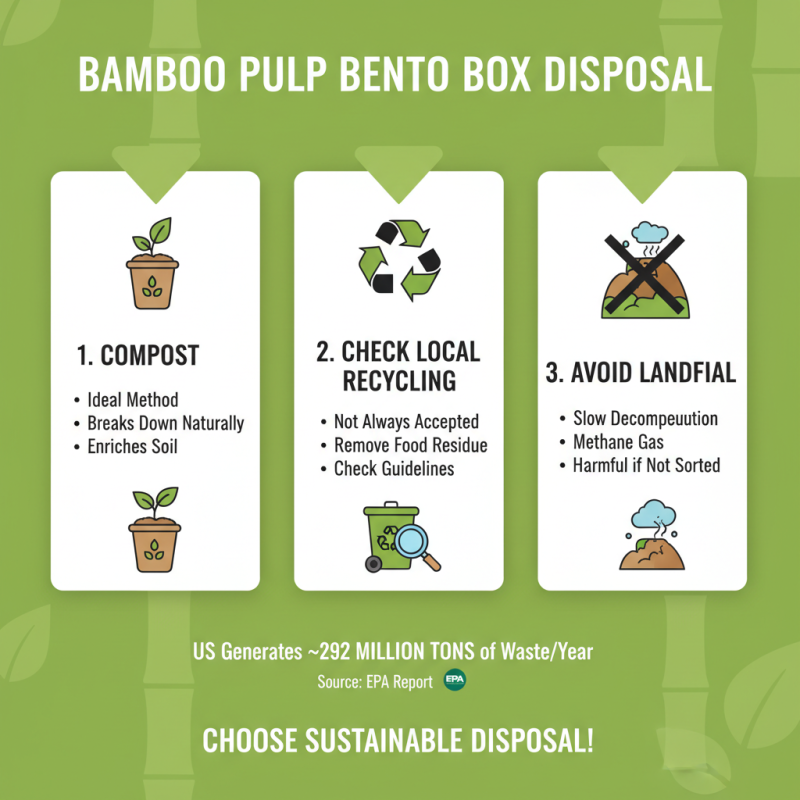
When it comes to disposing of used disposable bamboo pulp bento boxes, adopting responsible practices is crucial for minimizing environmental impact. According to a report by the Environmental Protection Agency (EPA), approximately 292.4 million tons of waste are generated in the United States alone, and a significant portion of this comprises single-use products. Bamboo pulp, being biodegradable, offers a sustainable alternative to plastic; however, proper disposal methods must be followed to fully benefit the environment.
One effective practice is to compost the bamboo pulp boxes, provided they are free of coatings or contaminants. The Biodegradable Products Institute (BPI) suggests that when composted in industrial facilities, materials like bamboo pulp can decompose within 90 to 180 days, enriching the soil rather than contributing to landfill volume. For those who do not have access to commercial composting services, individuals can consider home composting, as research indicates that organic materials account for approximately 30% of what we throw away, creating a significant opportunity for waste reduction.
Recycling is another vital aspect of responsible disposal. While bamboo pulp bento boxes are not always accepted in curbside recycling programs due to contamination concerns, localized recycling initiatives may provide alternative options. The World Economic Forum notes that improving recycling systems could reduce global waste by up to 65% by 2040, highlighting the importance of community involvement in establishing effective recycling practices. Therefore, individuals should remain informed about local disposal guidelines to make eco-friendly choices when disposing of their bamboo pulp bento boxes.