Top 10 Tips for Choosing Biodegradable Small Plates?
Choosing the right biodegradable small plates can be overwhelming. The industry offers numerous options. Each plate claims to be eco-friendly. However, not all products meet the necessary standards. According to Dr. Emily Carter, a leading expert in sustainable materials, "Biodegradable Small Plates are not just a trend; they are a step towards a cleaner planet."
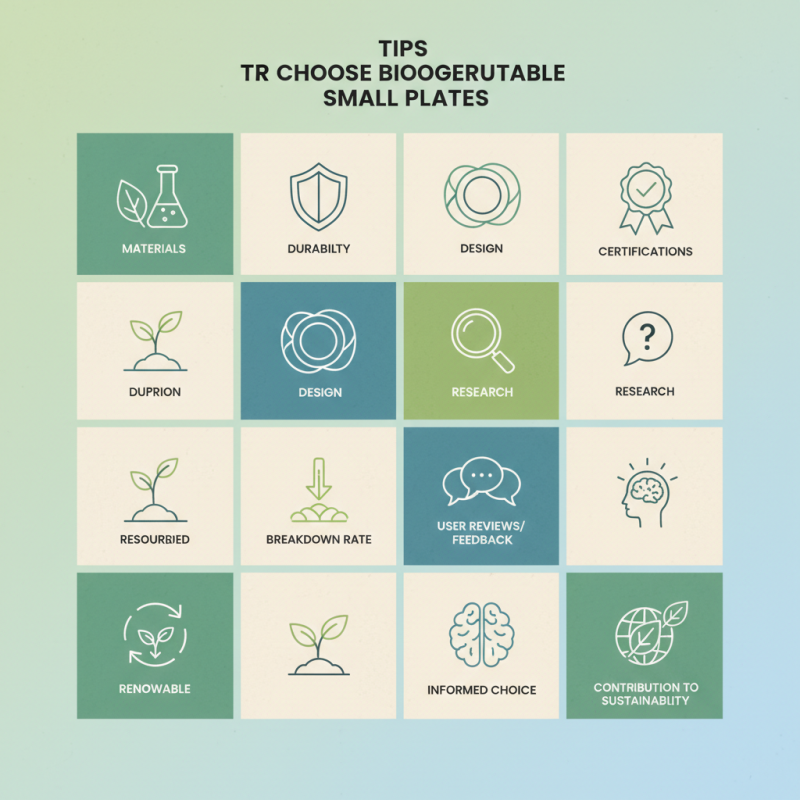
When selecting biodegradable small plates, consider materials, durability, and design. Some plates break down faster than others. Understanding these differences can be tricky. Seek products made from renewable resources. Look for certifications that ensure true biodegradability. This adds a layer of assurance.
It's easy to get lost in marketing jargon. Some companies may exaggerate their eco-friendly claims. Always research before purchasing. Pay attention to user reviews and feedback. They often reveal the hidden truths. Making an informed choice is essential for both you and the environment. Biodegradable small plates should genuinely contribute to sustainability.
Factors to Consider When Selecting Biodegradable Small Plates
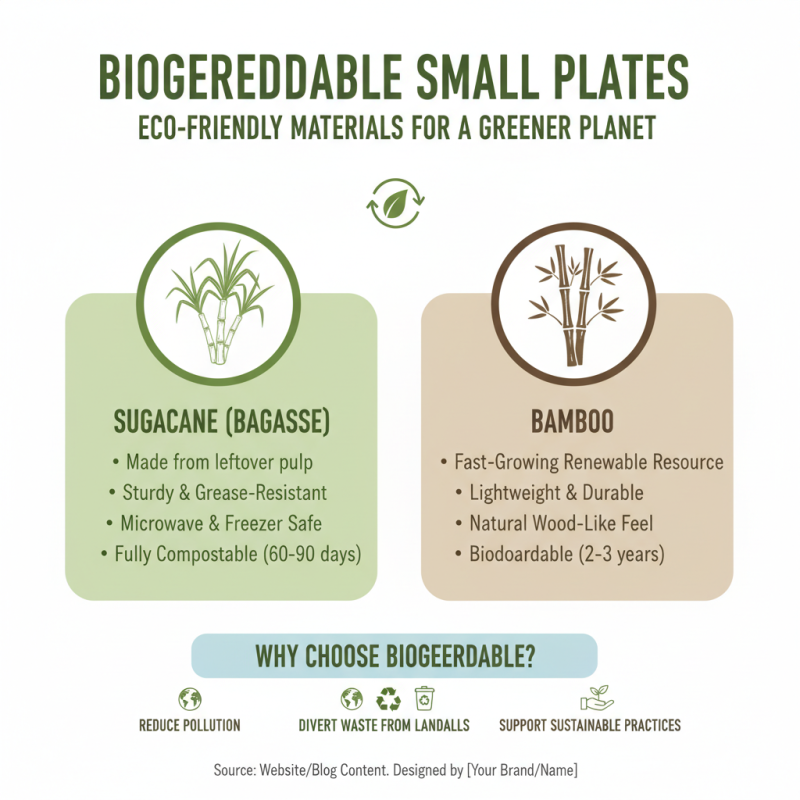
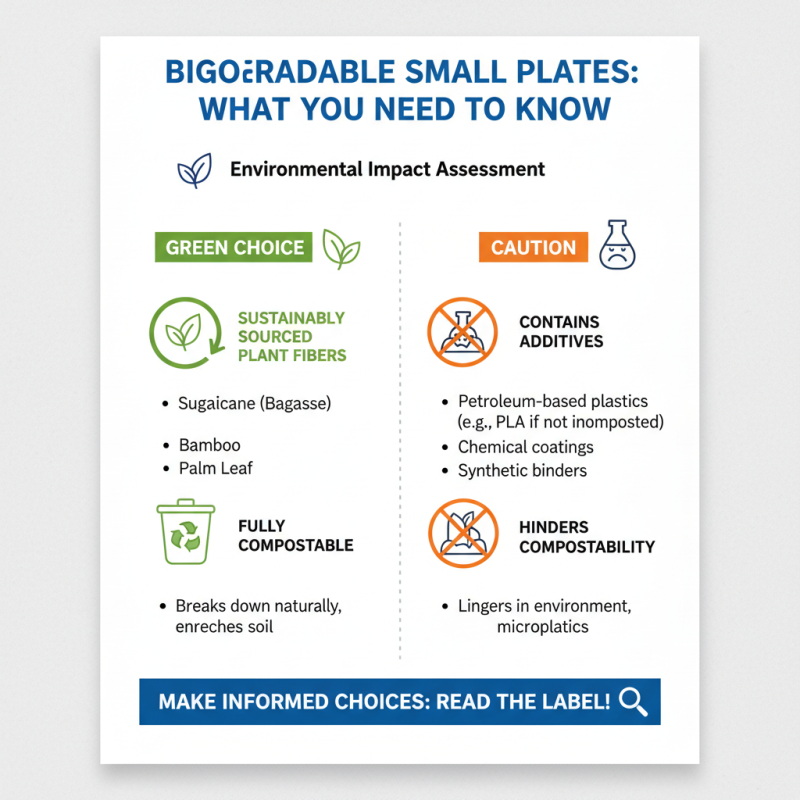
Choosing biodegradable small plates requires careful consideration. First, assess the materials used. Many plates are made from plant-based sources like sugarcane or bamboo. Make sure these materials are genuinely compostable and not mixed with harmful substances.
Think about the plate's size and depth. You want plates that can hold food securely without leaking. Too shallow plates can lead to messes at your gatherings. Consider the plates' resistance to heat and moisture. They should hold well for both hot and cold foods. Look for options that are versatile, as this reduces waste and costs.
Lastly, research the certifications. Some plates might claim to be biodegradable but lack credible support. Check for labels from recognized organizations. This ensures that the product meets environmental standards. Reflect on your choices and remember that sometimes, more eco-friendly options are not always perfect. Every small change counts in the journey towards sustainability.
Types of Biodegradable Materials Used in Small Plates
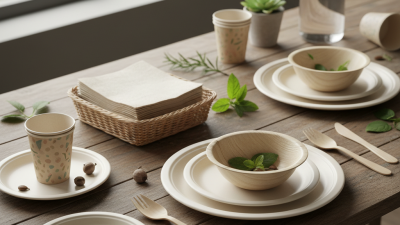
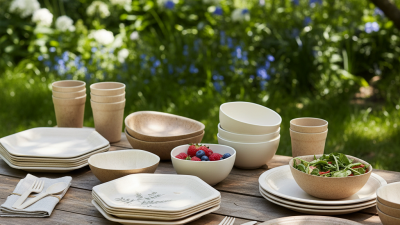
When selecting biodegradable small plates, it’s important to consider the materials used. Many options exist, each with unique properties. Plant-based materials are quite popular. These plates often consist of sugarcane or bamboo. They break down naturally over time, providing a good alternative to plastic.
Another option is recycled paper. This material is lightweight and easily disposable. However, it may not be as sturdy as other choices. The durability can vary, which might affect user experience. You might find that some dishes bend too easily. Some consumers express concern over the reliability of these plates, particularly with liquid foods.
Compostable materials are increasingly available. A mixture of cornstarch and other organic ingredients is common. These materials decompose effectively in commercial composting facilities. But not all compostable items break down in home compost bins. This can lead to user confusion. Remember to check local guidelines for disposal options to avoid potential waste issues.
Size and Shape Variations of Biodegradable Small Plates
When it comes to biodegradable small plates, size and shape variations play a crucial role. These plates come in various diameters, from 6-inch to 10-inch options. A 6-inch plate may be perfect for appetizers, while a larger plate suits main courses. Choosing the right size can enhance the dining experience.
Shapes also matter. Round plates are classic, but square or rectangular plates add a modern flair. Unique shapes can elevate food presentation. However, one should consider the type of food served. Not all foods fit well on all shapes. It can be frustrating when a beautifully shaped plate does not hold the meal properly.
Thickness is another key factor. Thicker plates tend to be sturdier and less prone to bending. But they might not be as eco-friendly as thinner options. Sometimes, a balance must be struck between durability and environmental impact. Evaluating the specific use case for each meal can be tricky but essential. Thoughtful choices in size and shape can lead to a more enjoyable dining occasion.
Cost vs. Quality: Making the Right Choice for Your Needs
When selecting biodegradable small plates, cost and quality often clash. On one hand, budget-friendly options may lure you in. However, lower prices can mean poor performance. For instance, some cheap plates may break easily or leak. Imagine serving food in a plate that collapses under the weight of your meal. Not a pleasant sight!
Quality biodegradable plates usually come at a premium. They offer better durability and can handle hot or cold foods effectively. Investing in these plates can enhance your dining experience. They can withstand liquids and provide a sturdy surface. But sometimes, the price increase is hard to justify when you are on a tight budget. You might wonder if the extra cost truly makes a difference.
Reflect on your specific needs. Are you hosting a casual gathering or a formal event? Assess how many plates you truly need. Splurging on high-quality plates for everyday use might not be practical. Yet, using them for special occasions can elevate the meal. Balancing cost and quality requires thoughtful consideration.
Top 10 Tips for Choosing Biodegradable Small Plates