Top 10 China Dinnerware Set for Global Buyers in 2026?
In the vibrant world of dining, a quality "Dinnerware Set" can elevate any meal. As we look towards 2026, the demand for exquisite dinnerware from China continues to rise. Renowned industry expert, Dr. Emily Wang, emphasizes this trend: “Dinnerware is not just functional; it's a reflection of culture and artistry.”
The interplay of artistry and utility is crucial in modern dinnerware designs. Features such as intricate patterns and durable materials are increasingly popular. Global buyers seek unique designs that tell a story. They want dinnerware that transforms an ordinary meal into a memorable experience. However, the variety can overwhelm new buyers.
Understanding what makes a dinnerware set special is essential. It's not merely about aesthetics. Durability and ease of care are equally important. As the market evolves, new trends may challenge established norms. Buyers should remain adaptable, reflecting on their preferences. After all, the right dinnerware set enriches the dining experience. Each piece can spark joy and connection at the table.
Top Trends Influencing Dinnerware Design in China for 2026
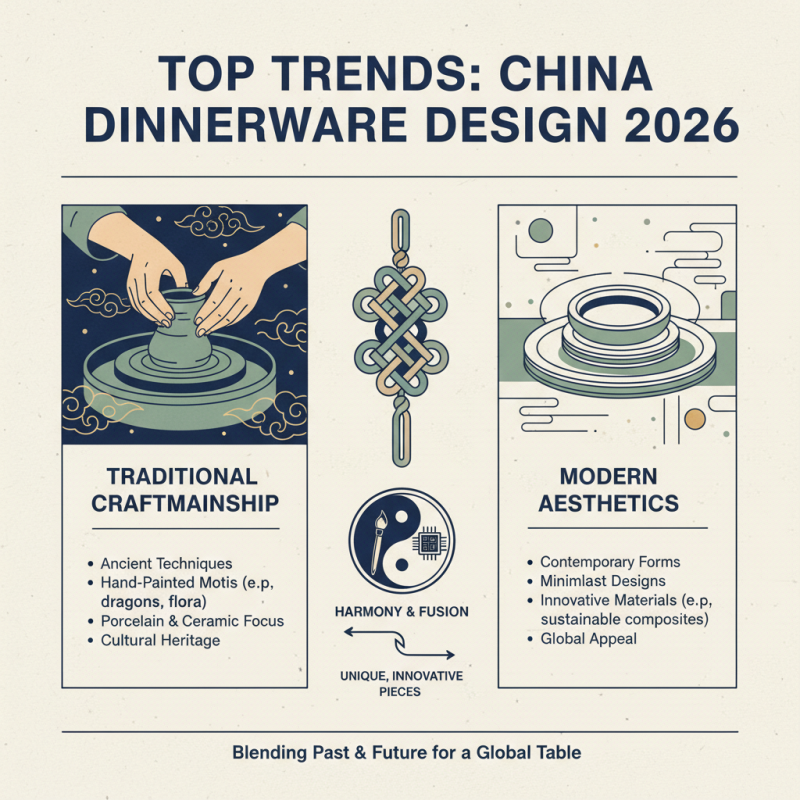
As we approach 2026, numerous trends are shaping dinnerware design in China. One significant trend is the harmony between traditional craftsmanship and modern aesthetics. Artisans are blending ancient techniques with contemporary designs. This fusion creates unique pieces that appeal to a global market, reflecting both heritage and innovation.
Sustainability is also a key influence. Eco-friendly materials and production methods are gaining traction. Many manufacturers are exploring biodegradable options and reducing waste. However, the transition poses challenges. Some companies struggle to balance cost and quality in their materials. This may lead to inconsistent products in the market.
Colors and patterns are evolving too. Minimalism continues to inspire clean lines. But many consumers are leaning towards bold, vibrant designs. Patterns that tell a story or convey cultural significance are increasingly popular. Yet, this diversity can also result in cluttered choices. Customers may find it hard to identify what truly resonates with their style.
Material Innovations in China Dinnerware: Sustainability and Functionality
The evolution of dinnerware materials in China continues to impress, focusing on both sustainability and functionality. Traditional porcelain is still beloved, but new innovations are emerging. Biodegradable materials and recycled items are gaining popularity. This shift reflects a growing awareness of environmental concerns among consumers.
Functionality is vital for modern dinnerware as well. Many designs incorporate features like thermal resistance and scratch-proof surfaces. Some sets are microwave and dishwasher safe, enhancing their practicality. However, innovation is a double-edged sword. New materials must be tested for durability over time. A beautiful dinnerware set should also withstand daily use.
Sustainability does not mean sacrificing style. Consumers are looking for designs that combine aesthetics with eco-friendliness. The challenge remains to balance innovative approaches with classic elegance. As global buyers search for the perfect set, they prioritize responsible sourcing and production. The dinnerware landscape in China is indeed evolving, but there's still much to explore.
Cultural Influences on China Dinnerware Styles and Patterns in 2026
Cultural influences significantly shape the design of dinnerware in China. Traditional motifs such as dragons, peonies, and waves reflect centuries of artistic heritage. These symbols embody values like strength, prosperity, and harmony. In 2026, many global buyers will seek dinnerware that not only serves a purpose but also tells a story.
The impact of regional styles is profound. For example, porcelain from Jingdezhen showcases intricate artistry, whereas Yixing teapots demonstrate minimalist elegance. Each piece is rooted in local history. Buyers may find themselves drawn to unique patterns that evoke personal connections to Chinese culture. However, the market is saturated. This could lead to challenges in finding authentic pieces amidst mass-produced products.
As preferences evolve, a balance between tradition and modernity becomes essential. Trends suggest a rise in minimalist designs paired with bold colors. Yet, there is a risk of losing cultural significance. Consumers might overlook the deep meanings embedded in traditional patterns. Awareness is key. Understanding these influences can enhance appreciation for the craft behind China’s dinnerware.
Market Analysis: Global Demand for Chinese Dinnerware Sets
As global demand for Chinese dinnerware sets rises, industry analysts predict significant growth in this market by 2026. The global market for ceramic dinnerware alone is expected to exceed USD 20 billion, with China accounting for a large portion of this increase. This growth can be attributed to a rise in gourmet dining and the trend of using decorative dinnerware for home aesthetics. Consumers are increasingly opting for high-quality, aesthetically pleasing items that enhance their dining experience.
A report by Market Research Future indicates that the demand for eco-friendly and sustainable dinnerware is growing. Many buyers are looking for sustainable production methods. However, not all manufacturers meet these criteria, leading to potential confusion and misrepresentation in the market. Buyers often face challenges in distinguishing between truly eco-conscious products and those simply labeled as such.
Additionally, the rise of e-commerce is reshaping how dinnerware is marketed globally. Online platforms provide a vast array of choices, but they also create a crowded marketplace. Many consumers report feeling overwhelmed by the options and unsure of making the best choice. This scenario calls for a more transparent approach from manufacturers, emphasizing quality and origin, rather than just aesthetic appeal.
Top Brands to Watch in China's Dinnerware Market for 2026
As the global demand for dinnerware grows, China's market stands out. Research indicates that by 2026, the dinnerware sector in China will be valued at around $8 billion. This growth reflects an increasing interest in both functional and decorative tableware options. Buyers worldwide are keen to discover unique Chinese designs that blend tradition with modern aesthetics.
While numerous brands compete for attention, some have demonstrated significant market presence. Data shows that eco-friendly materials and intricate craftsmanship are pivotal factors influencing buyer preferences. A comprehensive report highlights that nearly 70% of consumers value sustainability in dinnerware choices. This shift suggests a potential rise for brands focusing on responsible production methods.
**Tips:** Pay attention to material quality. Look for dishwasher-safe options to enhance convenience. Consider the overall design appeal, especially if hosting formal events. Remember, investing in dinnerware isn’t just about functionality. It reflects personal style and values, making every dining experience memorable.