Top 5 Tips for Buying Biodegradable Disposable Plates Now?
In today’s eco-conscious world, choosing Biodegradable Disposable Plates is more than just a trend. It's a commitment to sustainability. These plates offer a practical solution for both daily use and special occasions. However, not all products are created equal.
Many consumers may face confusion when selecting the right biodegradable options. Factors like material source and manufacturing processes matter. Shoppers should consider aspects such as durability and compostability. The variety available can be overwhelming. Some plates may not biodegrade as claimed.
Understanding these elements can greatly enhance your purchasing decision. It’s important to reflect on the environmental impact of your choice. Are you prioritizing quality and sustainability? Your decisions can lead to a greener future, one plate at a time. Make sure to weigh your options carefully.
Top 5 Factors to Consider When Choosing Biodegradable Disposable Plates
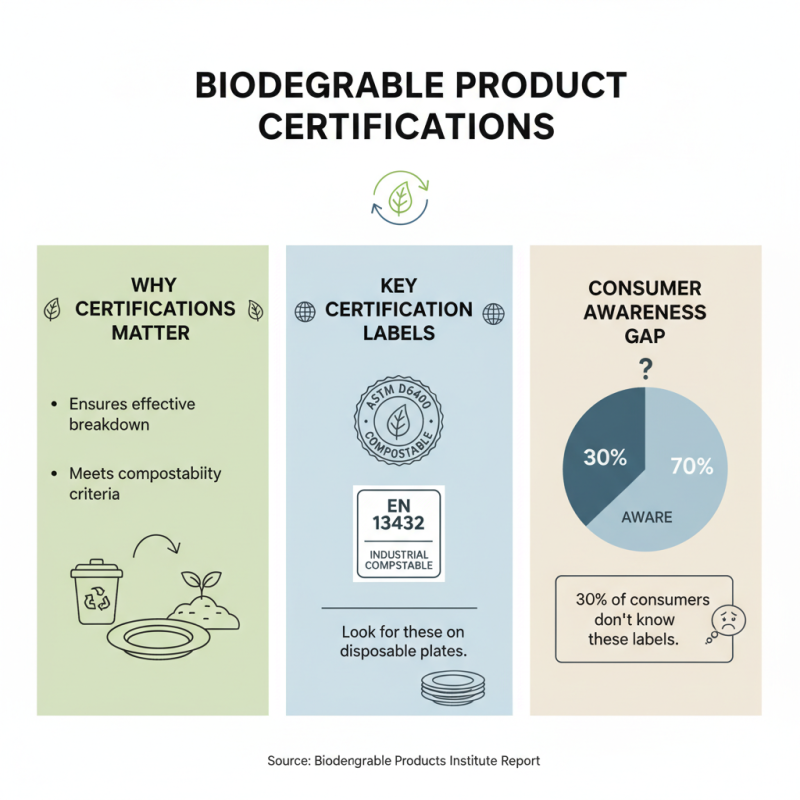
When choosing biodegradable disposable plates, there are key factors to keep in mind. The material used is crucial. Many options include PLA (polylactic acid) and bagasse. These materials must break down efficiently without leaving harmful residues. Look for certifications that ensure the product meets industry standards for biodegradability.
Consider the plate's durability as well. Some biodegradable plates are thinner and can easily become soggy. A plate that can't hold food properly may lead to frustrating spills. Assess how these plates perform under different food types. Sturdiness is essential, especially for hot or wet dishes.
Lastly, think about the environmental impact beyond biodegradability. The production process also matters. Does it use sustainable practices? Evaluate the entire lifecycle of the product. Reflecting on your personal and communal impact helps in making eco-friendly choices.
Top 5 Factors to Consider When Choosing Biodegradable Disposable Plates
This chart illustrates the top factors to consider when purchasing biodegradable disposable plates, including material, cost, durability, environmental impact, and design options.
Understanding the Types of Biodegradable Materials Used in Plates
When choosing biodegradable disposable plates, it's essential to understand the types of materials used. Common options include PLA (polylactic acid), sugarcane pulp, and bamboo. Each material has unique properties, making them suitable for different occasions. PLA is derived from cornstarch and is compostable but may not hold up well in high-heat situations. Sugarcane pulp plates are sturdy and suitable for both hot and cold foods, making them a popular choice. Bamboo plates offer an elegant look and are exceptionally durable, ideal for serving heavier dishes.
Tip: Check for certification labels that indicate a product’s compostability. This ensures proper breakdown in a composting environment. Understanding these distinctions can help you choose the right product for your needs.
Research from the Biodegradable Products Institute highlights that the demand for biodegradable plates is increasing by 20% each year. It underscores the importance of sustainable choices. However, not all biodegradable materials break down equally. Some might end up in landfills, where decomposition slows significantly. It's crucial to reflect on how these choices impact the environment.
Tip: Always ask about disposal methods when buying biodegradable plates. Understanding the lifecycle of these products is vital. Make informed decisions to support a greener planet while enjoying your meals.
Top 5 Tips for Buying Biodegradable Disposable Plates
| Material Type |
Compostability |
Durability |
Suitable for |
Price Range (Per Plate) |
| PLA (Polylactic Acid) |
Compostable in industrial facilities |
Good for dry foods |
Catering, Parties |
$0.10 - $0.30 |
| Bagasse |
Compostable in both industrial and home settings |
Sturdy and leak-resistant |
Hot and cold foods |
$0.15 - $0.40 |
| Palm Leaf |
Compostable in home compost |
Very durable |
Events, Picnics |
$0.20 - $0.50 |
| Paper |
Compostable in home compost |
Varies, generally less durable |
Cold foods, Snacks |
$0.05 - $0.20 |
| CPLA (Crystalline PLA) |
Compostable in industrial settings |
Good for hot foods |
Restaurants, Food Delivery |
$0.12 - $0.25 |
Evaluating the Environmental Impact of Various Plate Options
When choosing biodegradable disposable plates, it's crucial to evaluate their environmental impact. Many options claim to be eco-friendly, but the reality can be more complex. Materials such as plant-based fibers, bamboo, and palm leaves are common. While they decompose faster than plastic, not all are created equal.
Consider the source of the materials. Sustainable harvesting practices are essential. Plates made from over-harvested resources can lead to habitat destruction. The manufacturing process also matters. Some biodegradable plates require large amounts of energy, offsetting their benefits.
Composting conditions play a role too. Many biodegradable plates break down effectively in industrial facilities, yet may not disintegrate well in home composters. With these factors in mind, it’s essential to research and select products thoughtfully. The right choice may require extra effort but can significantly reduce your environmental footprint.
Analyzing Cost-Effectiveness of Biodegradable Plates vs. Traditional Ones
When analyzing cost-effectiveness, biodegradable disposable plates often present a more sustainable choice compared to traditional plastic ones. While their upfront cost can be higher, it's essential to consider long-term environmental impact. Biodegradable plates decompose within months, reducing landfill waste. This factor might save municipalities money on waste management in the future.
Here are some tips to keep in mind when purchasing biodegradable plates. Look for certifications that guarantee the product is truly compostable. Verify if they break down in home composting setups. Assess the materials used; those made from sugarcane or bamboo are generally more eco-friendly.
Another aspect to consider is usage. Biodegradable plates may not be suitable for all types of food, especially oily or wet dishes. They might become soggy, leading to customer dissatisfaction. Balancing price and function is vital. While prices vary, some options may not hold up as well as traditional alternatives.