Best Sustainable Crockery Options for Eco Friendly Dining?
In today's world, choosing Sustainable Crockery has become crucial for eco-friendly dining. Our choices impact the environment significantly. Plastic and non-biodegradable materials contribute to pollution and harm wildlife. Sustainable options are available, but many still overlook them.
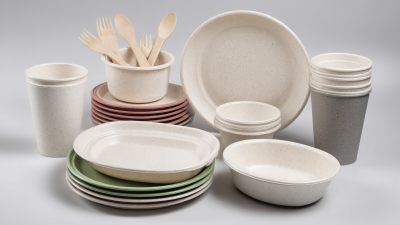
Sustainable Crockery can be made from bamboo, recycled materials, or even plant-based bioplastics. These materials decompose naturally, reducing waste. They come in various designs and styles, making them appealing for any dining experience. However, not all products labeled as "sustainable" are truly eco-friendly. It is essential to research brands and materials carefully.
The journey toward sustainable dining is not perfect. Challenges exist, such as higher costs and availability issues. Consumers often feel overwhelmed by choices. It’s a learning process that requires effort and commitment. By prioritizing Sustainable Crockery, we can take meaningful steps toward lesser environmental impact and contribute to a healthier planet.
Top Materials for Sustainable Crockery: An Overview
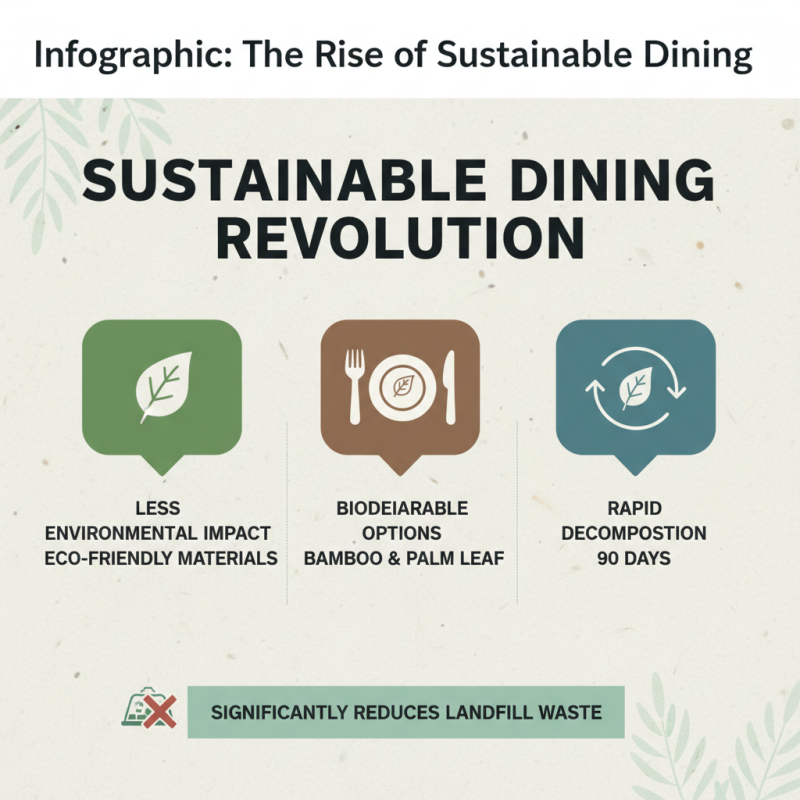
Sustainable dining is gaining traction, with a rise in materials that lessen environmental impact. Biodegradable options like bamboo and palm leaves provide an insightful glimpse into this trend. According to recent studies, these materials decompose within 90 days, reducing landfill waste significantly.
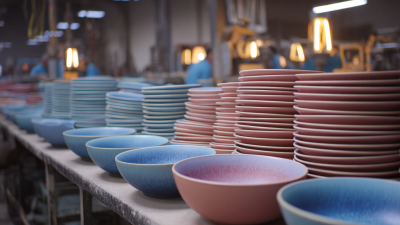
Ceramic and stoneware are also popular choices. They last longer than plastic and can withstand heat, making them versatile for various meals. The production of stoneware can consume a lot of energy, though. It's essential to strike a balance between durability and environmental concerns.
Perhaps the most promising development is in recycled materials. Reports indicate that using recycled glass can reduce energy consumption by 40%. These options encourage a circular economy, but they still face challenges in widespread adoption. The range of sustainable choices offers a new perspective, but it invites reflection on our consumption habits.
Biodegradable Options: Exploring Plant-Based Crockery Choices
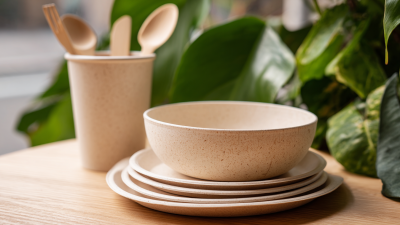
When it comes to eco-friendly dining, plant-based crockery emerges as a leading choice. These biodegradable options are crafted from natural materials like sugarcane bagasse and bamboo. They decompose much faster than traditional plastics, reducing trash significantly. Imagine hosting a picnic, using plates that break down in the ground within months, nurturing new life.
However, challenges do exist. Some plant-based products may not perform well under heat. You might find a cup buckling at the edges when filled with hot soup. This can be frustrating, especially during gatherings. It’s essential to test different brands and materials to find reliable options.
Additionally, the supply chain for plant-based crockery isn't perfect. Sometimes, concerns about sourcing practices may arise. Ensuring your choices are genuinely sustainable requires research. It's crucial to remain vigilant about the certifications that guarantee eco-friendliness. Dining sustainably can feel tricky, but it's worth it for our planet's future.
Recyclable Dinnerware: Benefits and Considerations for Eco Conscious Users
When choosing recyclable dinnerware, several benefits stand out. First, these materials reduce waste. Traditional plastic often ends up in landfills or oceans, harming wildlife. Recyclable options like bamboo or certain bioplastics break down more easily. They offer a much lighter ecological footprint and can be repurposed instead of thrown away.
Eco-conscious users should consider different aspects before making a choice. Does the product actually recycle well? Some materials are marketed as recyclable but require specific facilities. Additionally, the energy needed for processing can sometimes negate environmental benefits. It’s essential to research local recycling programs to assess what materials are actually usable.
Tip: Before purchasing, check if the materials are certified. Look for reputable symbols indicating that they meet specific environmental standards. Another tip is to explore second-hand options, which can be just as stylish and help reduce consumption. Each small decision counts, and having a critical view is key.
Durability vs. Sustainability: Finding the Right Balance in Crockery Selection
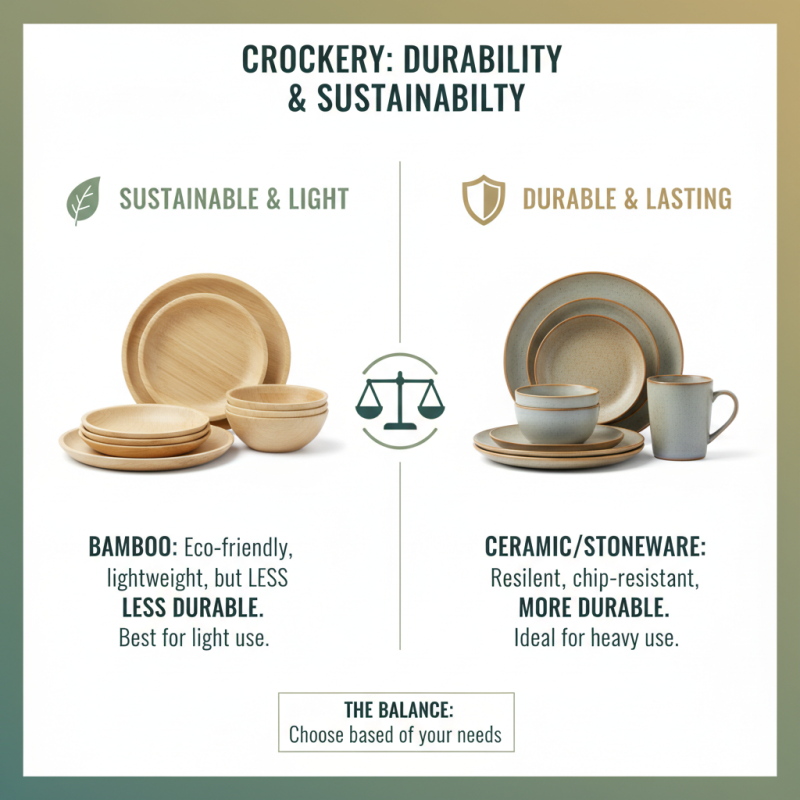
Choosing the right crockery is a delicate balance between durability and sustainability. Many eco-friendly materials exist, but not all are equally resilient. For instance, bamboo dishes are lightweight. However, they may not withstand heavy use. Ceramic and stoneware options pack more durability. They're less likely to chip or break under pressure.
When making choices, consider the lifespan of your crockery. Some biodegradable options like palm leaf plates are great for single-use but lack longevity. On the other hand, glass can be recycled endlessly. Yet, it can break easily, posing a safety risk. Each option comes with trade-offs.
Sustainability discussions often overlook the importance of maintenance. Cleaning agents can undermine eco-friendliness. Even the greenest materials need care to last. Assessing the lifecycle of your crockery can reveal hidden impacts. Sometimes, the best choice isn't the most obvious.
Tips for Choosing Eco Friendly Crockery for Different Dining Occasions
When choosing eco-friendly crockery, consider the setting and purpose of your dining occasion. For casual meals, bamboo or palm leaf plates work well. They are lightweight and biodegradable. For more formal gatherings, opt for dishes made from recycled glass or ceramic. These options look elegant and are durable, making them perfect for special occasions.
Think about the size and functionality of the crockery. Smaller plates may limit portion sizes, encouraging mindful eating. However, they can also leave guests feeling unsatisfied. Likewise, large dishes may lead to excess food waste. Invest in versatile options that cater to various serving styles. Remember, the texture and color of your crockery can greatly enhance the aesthetic.
Reflect on your personal values. Are you ready to swap single-use items for reusable ones? It may take time to adjust to new habits. But each meal can become an opportunity to reduce environmental impact. Allow mistakes, such as forgetting to pack your reusable items. Learning is a part of the journey toward sustainable dining.
Best Sustainable Crockery Options for Eco Friendly Dining
| Crockery Type |
Material |
Best For |
Eco-friendly Rating |
| Bamboo Plates |
Bamboo |
Casual Dining |
5/5 |
| Recycled Glass |
Recycled Glass |
Formal Events |
4/5 |
| Coconut Bowls |
Coconut Shells |
Smoothie Bars |
5/5 |
| Bio-Based Plastic |
PLA (Polylactic Acid) |
Takeaway Meals |
3/5 |
| Porcelain |
Natural Clay |
Everyday Use |
4/5 |