10 Essential Tips for Choosing Biodegradable Disposable Plates
Choosing the right plates for your events can be overwhelming. Biodegradable disposable plates are an eco-friendly option that deserves your consideration. They minimize plastic waste and help protect our planet. However, not all biodegradable options are created equal. Some may break down slowly or contain harmful chemicals.
When selecting biodegradable disposable plates, think about their material. Options include sugarcane, bamboo, or palm leaves. Each has unique properties and different costs. You should assess your needs, such as durability and the type of food served. Keep in mind that some plates may not hold up well with wet or heavy foods.
It’s also vital to consider the company’s sustainability practices. Are they truly environmentally friendly? Research their production process and certifications. Reflecting on your choices can lead to better decisions. Remember, choosing biodegradable disposable plates is a step towards a greener future, but it requires thoughtful evaluation.
Key Characteristics of Biodegradable Disposable Plates
When selecting biodegradable disposable plates, it’s essential to understand their key characteristics.
These plates should be made from natural materials like cornstarch or sugarcane. Such compositions ensure they break down effectively. Look for plates that are certified compostable, as this indicates a commitment to environmental safety.
Texture and strength also matter. Plates should feel sturdy yet lightweight. Thin plates can bend easily. Consider the intended use; for heavier foods, a more robust plate is crucial. Some bio-based plates look too flimsy, which may lead to frustration during use.
The design is significant too. Functional shaping can enhance usability. Plates with higher edges can prevent spills. However, not all biodegradable plates are elegant. Some may lack variety in sizes or styles. This could limit their appeal for special occasions. As you choose, keep in mind the balance between sustainability and user experience.
Understanding Different Materials Used in Biodegradable Plates
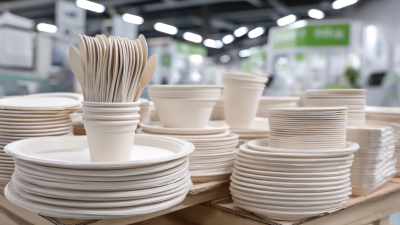
When selecting biodegradable disposable plates, understanding the materials is crucial. Many plates are made from sugarcane pulp, often referred to as bagasse. This material is lightweight yet sturdy. It is derived from the fibrous residue left after extracting juice from sugarcane. This means it’s a byproduct and doesn’t use extra resources. However, some users find them too flimsy for heavy foods.
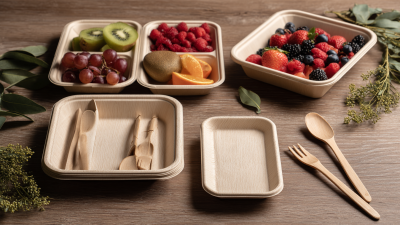
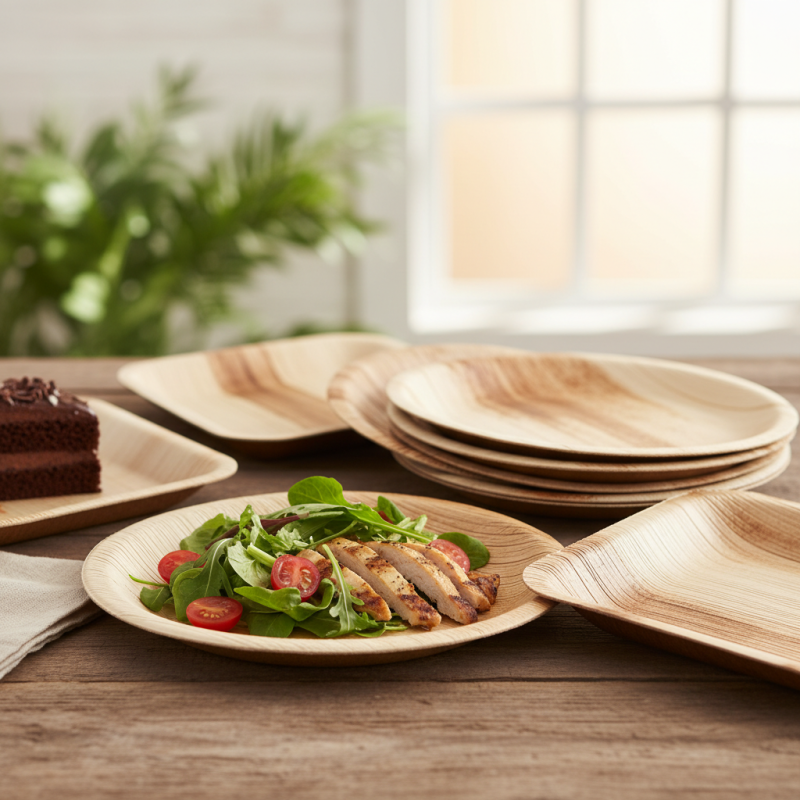
Another popular choice is palm leaf. These plates are created from fallen leaves of the Areca palm. They have a distinct natural look and are surprisingly strong. They can hold hot and cold foods. But they do come with a higher price tag.
Compostable materials like PLA are derived from corn starch. They are often clear or slightly opaque. While they can mimic traditional plastic, they require specific conditions to break down. This creates challenges in waste management. Consider how your waste will be disposed of after use. These choices highlight the importance of making informed decisions. Reflect on the environmental impact you want to have.
Comparative Analysis of Biodegradable Plate Materials
Importance of Certification and Eco-Labels for Biodegradable Products
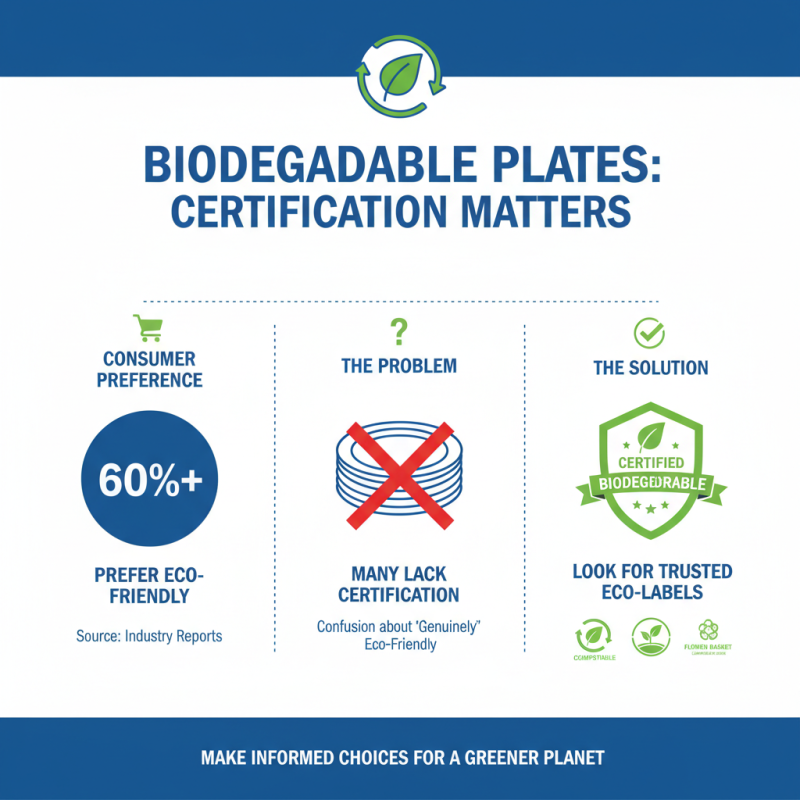
When selecting biodegradable disposable plates, understanding certification and eco-labels is crucial. Reports indicate that over 60% of consumers prefer eco-friendly products. However, many biodegradable options lack proper certification. This creates confusion about what is genuinely environmentally friendly.
Certification ensures products meet specific standards. For instance, items certified by the Biodegradable Products Institute (BPI) break down in commercial composting settings within 90 to 180 days. In contrast, products without certification might linger in landfills for years. Misleading labels often contribute to a false sense of sustainability. Consumers must be vigilant and recognize the importance of these certifications.
Some eco-labels highlight environmental impact reduction. Yet, some may lack transparency or rigorous testing. Even seemingly green products can have hidden downsides. For example, certain materials may release harmful chemicals during decomposition. Therefore, it’s essential to research and verify certifications before making purchases. Understanding the terminology can help consumers make more informed choices.
Evaluating the Environmental Impact of Disposable Plate Options
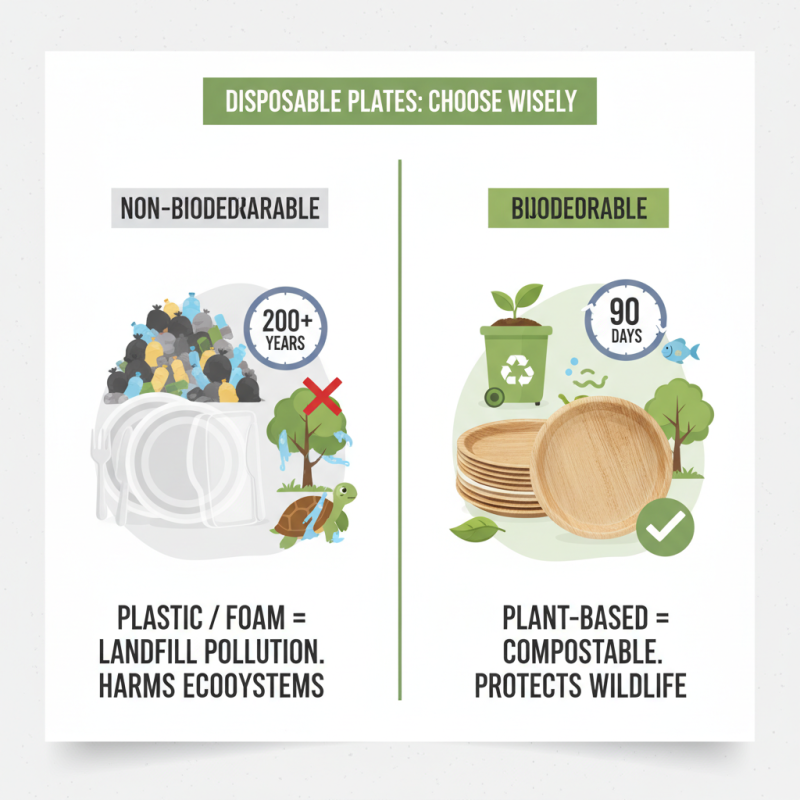
When choosing disposable plates, consider their environmental impact. Many disposable plates are made from materials like plastic or foam, which are not biodegradable. These options contribute significantly to landfill waste. They can take hundreds of years to decompose, damaging ecosystems and wildlife. Opting for biodegradable plates is a step in the right direction.
Biodegradable plates are often made from materials such as sugarcane, bamboo, or palm leaves. These materials break down naturally, returning nutrients to the soil. However, not all biodegradable plates are equal. Some may require specific conditions to decompose efficiently, and they might still end up in landfills, where decomposition slows down.
It's important to reflect on your choices. Are you considering how your disposable plates affect the planet? Think about where they end up after your event. Are they composted, or do they contribute to plastic pollution? Choosing wisely can make a difference, but it requires effort and awareness. It's a small but meaningful way to reduce our environmental footprint.
Cost Considerations When Choosing Biodegradable Plates
When considering biodegradable disposable plates, cost is a significant factor. Biodegradable plates can generally range from $0.15 to $0.50 each, depending on materials and features. A 2020 report by Smithers Pira indicated that the demand for environmentally-friendly disposables increased by 9% annually. This spike raises questions about affordability for both consumers and businesses.
Many assume that biodegradable options are more expensive. However, in the long run, the cost difference may not be substantial. A study from GreenBiz revealed that investing in sustainable disposables could lead to savings up to 30% when considering waste disposal fees. Some consumers may still struggle with the upfront costs, reflecting a hesitation to switch from traditional plates.
It's essential to recognize that not all biodegradable plates decompose equally. Some may break down in months, while others take years. This inconsistency impacts overall value. Checking certifications like ASTM D6400 can provide clarity. Knowing the total lifecycle cost, including disposal, helps make informed choices. Consumers should weigh immediate expenses against environmental benefits. In this complex landscape, reflection on personal values is crucial.
10 Essential Tips for Choosing Biodegradable Disposable Plates - Cost Considerations When Choosing Biodegradable Plates
| Tip Number |
Tip Description |
Average Cost per 100 Plates |
Material Type |
| 1 |
Look for Compostability Certification |
$25 |
PLA (Polylactic Acid) |
| 2 |
Consider Usage Temperature Limits |
$30 |
Bagasse (Sugarcane) |
| 3 |
Evaluate Durability for Your Needs |
$20 |
Palm Leaf |
| 4 |
Check for Non-Toxic Coatings |
$28 |
Recycled Paper |
| 5 |
Consider Size and Shape Preferences |
$26 |
Cornstarch |
| 6 |
Investigate the Manufacturing Process |
$22 |
Certified Compostable Materials |
| 7 |
Look for Recyclable Packaging |
$29 |
Bamboo |
| 8 |
Assess Supplier's Environmental Commitment |
$27 |
Wheat Straw |
| 9 |
Compare Prices Across Brands |
$24 |
Hemp |
| 10 |
Evaluate Bulk Purchase Discounts |
$21 |
CPLA (Crystalline PLA) |