How to Choose Eco-Friendly Tableware for Sustainable Living?
As the quest for sustainable living becomes more vital, the choice of tableware plays a significant role. Popular expert in eco-friendly products, Dr. Sarah Green, emphasizes, "Choosing Eco-Friendly Tableware is a small yet impactful step toward a sustainable future." This highlights the influence of our daily choices on the environment.
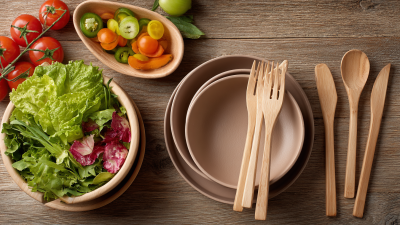
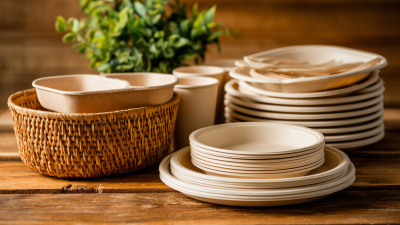
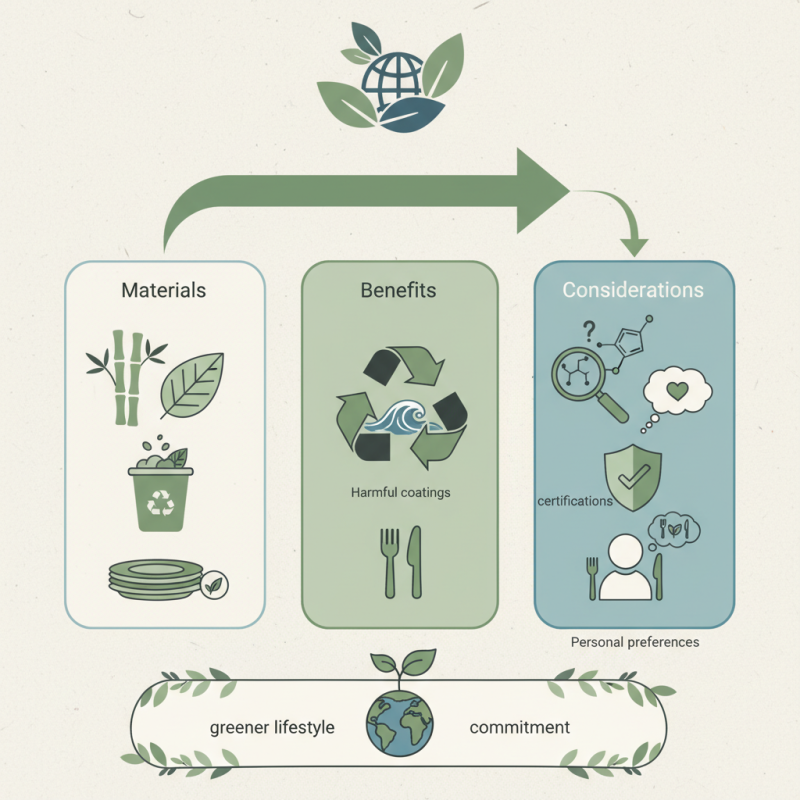
Eco-Friendly Tableware options range from bamboo plates to compostable materials. These alternatives not only reduce plastic waste but also serve as stylish dining solutions. However, some products may still contain harmful coatings. It’s essential to research materials and seek certifications to ensure they are genuinely eco-friendly.
The challenge lies in balancing aesthetics and sustainability. Many users feel overwhelmed by the variety of choices. It's crucial to reflect on our preferences and habits. Picking the right tableware should align with our environmental values. Each decision brings us closer to a greener lifestyle while showcasing our commitment to the planet.
Understanding the Importance of Eco-Friendly Tableware
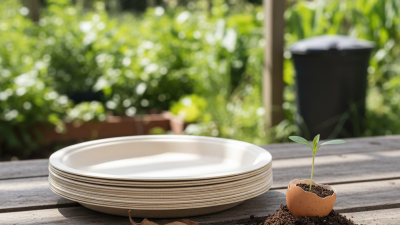
Understanding the importance of eco-friendly tableware is vital in our journey towards sustainable living. Traditional tableware often contributes to plastic waste and environmental degradation. In contrast, eco-friendly options are made from sustainable materials that minimize harm to the planet. Choosing biodegradable or compostable items reduces landfill waste and protects ecosystems.
Consider that not all "green" products are equal. Some may offer misleading claims about their sustainability. Therefore, it is important to research the materials used and their entire lifecycle. This ensures that your choices truly benefit the environment.
Tips: Look for tableware made from bamboo, palm leaves, or recycled materials. Prioritize products that are certified organic or have minimal packaging. Evaluate how long the items will last and their usability. Remember, intentional choices can lead to meaningful changes. Small steps will build a more sustainable lifestyle. Balancing style and eco-friendliness may sometimes feel challenging, but it is worth the effort.
How to Choose Eco-Friendly Tableware for Sustainable Living? - Understanding the Importance of Eco-Friendly Tableware
| Material |
Biodegradability |
Durability |
Cost |
Environmental Impact |
| Bamboo |
Yes |
High |
Moderate |
Low |
| Cornstarch |
Yes |
Medium |
Low |
Medium |
| Recycled Paper |
Yes |
Low |
Low |
Medium |
| Palm Leaf |
Yes |
High |
Moderate |
Low |
| Glass |
No |
Very High |
High |
Low |
Materials to Consider for Sustainable Tableware Choices
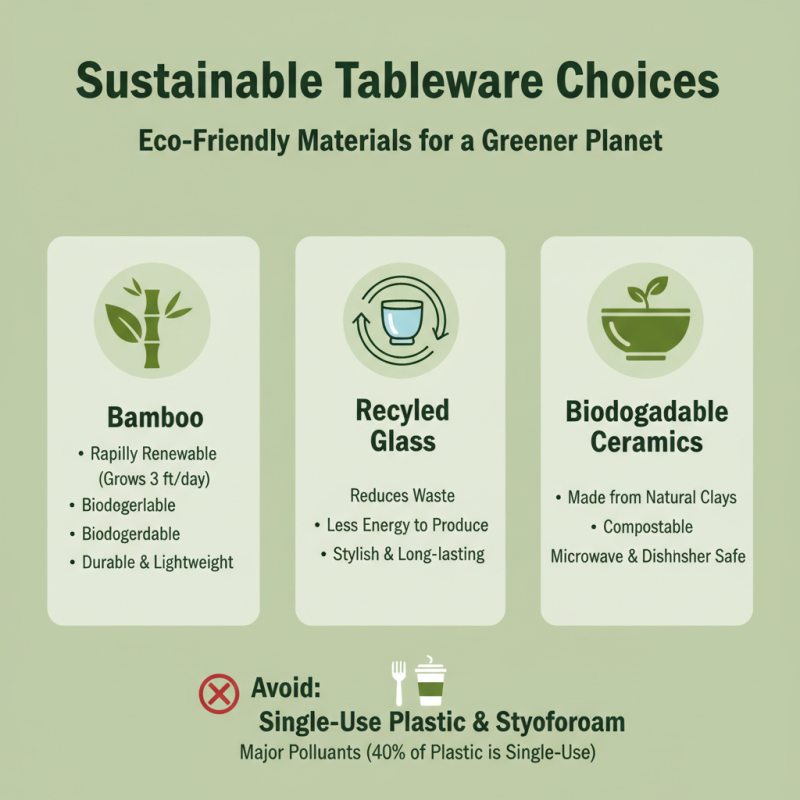
When selecting tableware, consider the materials you choose carefully. The production of traditional plastic and Styrofoam contributes significantly to environmental pollution. An estimated 40% of plastic is used for single-use products. Instead, eco-friendly options like bamboo, recycled glass, and biodegradable ceramics are more sustainable. Bamboo is rapidly renewable, growing up to three feet per day, and is a biodegradable option.
Recycled glass offers versatility, as it can be molded into many beautiful designs. This material requires 30% less energy to produce than new glass. Biodegradable ceramics break down naturally, reducing landfill waste. However, not all ceramics are equal; ensure they are truly eco-friendly and free from harmful chemicals.
While these materials are more sustainable, challenges remain. Awareness and accessibility are ongoing issues. Many people still resort to plastic alternatives due to convenience. Making an informed choice can be daunting. The demand for eco-friendly tableware is rising, but availability varies widely. Balancing sustainable living with lifestyle convenience requires ongoing reflection and adjustment.
Evaluating the Environmental Impact of Common Tableware Options
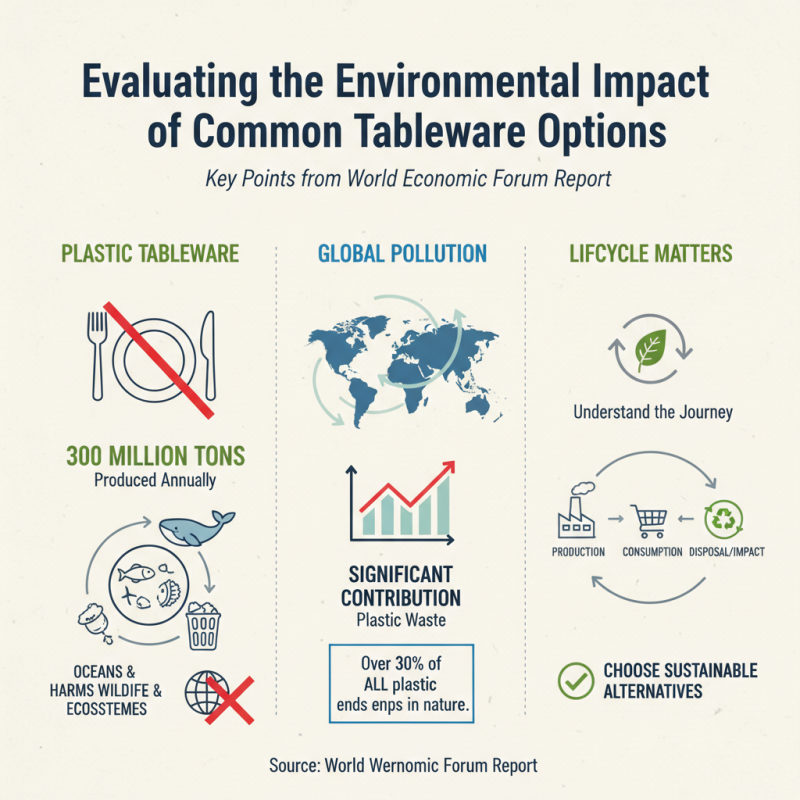
When assessing the environmental impact of common tableware options, several factors come into play. Plastic tableware contributes significantly to pollution. According to a report by the World Economic Forum, over 300 million tons of plastic are produced each year, with a substantial portion ending up in oceans and landfills. This not only harms wildlife but also disrupts ecosystems. It's crucial to understand the lifecycle of these products.
Biodegradable options like bamboo plates and compostable cutlery are gaining popularity. Research indicates that they can decompose within 90 to 180 days in suitable conditions. However, the production process still requires energy and resources. For instance, the cultivation of bamboo often involves monoculture, impacting biodiversity. This raises questions about truly eco-friendly practices.
Glass and stainless steel are durable alternatives that reduce waste. While they can be energy-intensive to produce, their longevity means fewer replacements. A 2021 study in the Journal of Cleaner Production highlighted that using stainless steel can cut waste by 60% over ten years. Yet, sourcing these materials can have significant carbon footprints, which complicates the narrative of sustainability.
Tips for Assessing Durability and Longevity in Tableware
When choosing eco-friendly tableware, durability and longevity are key factors. Quality materials can vastly improve a product's lifespan. For instance, bamboo or stainless steel can resist wear and tear much better than plastic. These materials don't just last longer; they also reduce the need for frequent replacements. A durable option can save money in the long run and help lessen waste.
Assessing tableware’s durability involves checking specifics. Look for thickness in ceramic or glass items; thicker options typically endure better. Also, examine the finish. A smooth, strong glaze can prevent chipping. Handled properly, these items can last for years. It’s important to reflect on past purchases. Were they prone to scratching or breaking? Those experiences guide future selections.
It can be tempting to choose the cheapest option. However, this might lead to more waste over time. Consider the full lifecycle of your tableware. Reusable items often cost more upfront but pay off later. Relying on disposable products creates ongoing environmental strain. Before buying, ask yourself: how long will this last? This mindful approach can influence healthier choices for both you and the planet.
Where to Purchase Eco-Friendly Tableware for Home Use
When considering eco-friendly tableware, knowing where to purchase is vital. Many consumers seek alternatives that align with sustainable living. A 2021 report by the Green Restaurant Association noted that nearly 75% of consumers prefer sustainable products. This demand has led to increased options for eco-friendly tableware.
Local farmers' markets and eco-conscious retailers provide great opportunities. Many of these venues feature tableware made from bamboo, sugarcane, or recycled materials. Buying directly from these sources often reduces transportation emissions. Online marketplaces also offer a wide variety of choices. A study from Statista showed that sales of eco-friendly products are expected to surpass $150 billion by 2025.
It's important to consider certification when purchasing. Look for labels such as FSC (Forest Stewardship Council) or biodegradable certifications. These indicators help ensure you're making responsible choices. However, some products may not be as eco-friendly as they claim, leading to potential disappointment. Critical thinking about product claims can help navigate this complex market. Exploring different avenues for eco-friendly tableware can truly enhance your sustainable living journey.