How to Choose Eco Friendly Pulp Bowls for Sustainable Dining?
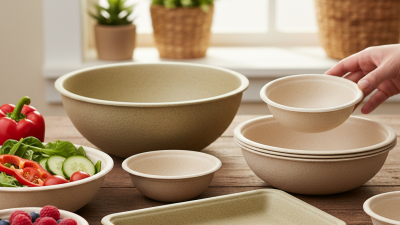
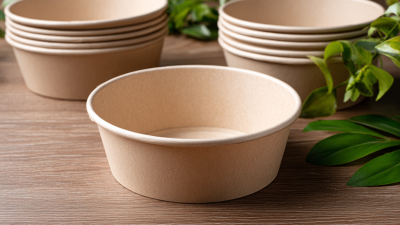
In an era where sustainability is more important than ever, the choice of diningware significantly impacts our environment. Eco Friendly Pulp Bowls are becoming increasingly popular as a choice for eco-conscious consumers. These bowls serve both functionality and aesthetics while promoting a greener lifestyle. Leading expert in sustainable dining, Dr. Emily Green, emphasizes, "Choosing eco-friendly options empowers consumers to make a difference."
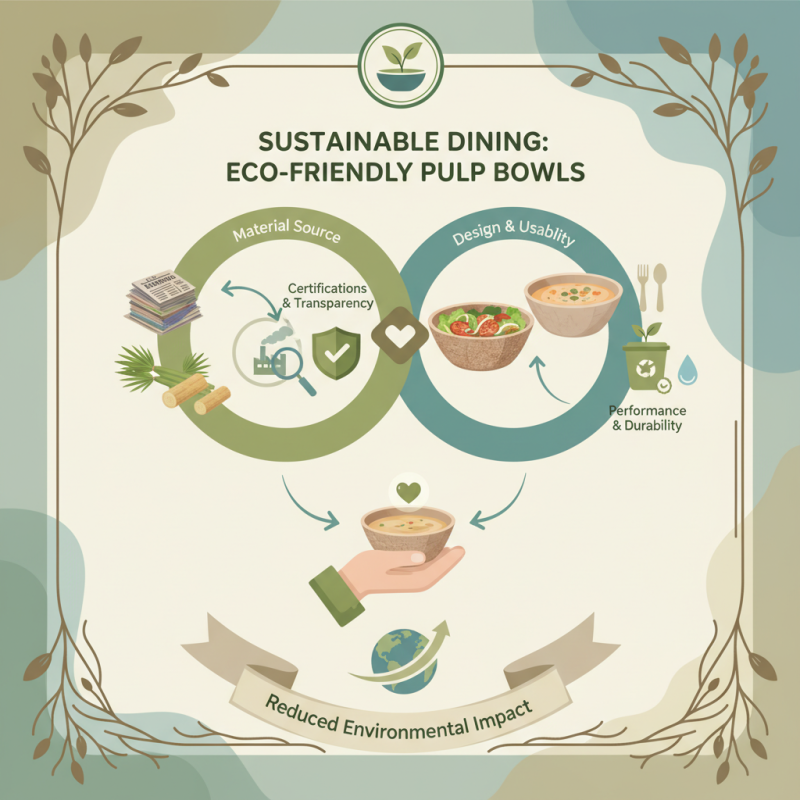
When selecting Eco Friendly Pulp Bowls, consider their material source. Most are made from recycled paper or agricultural waste, which reduces landfill impact. However, some products may claim to be eco-friendly but fall short in their production processes. It’s crucial to research brands thoroughly. Look for certifications or transparent sourcing practices to ensure the bowls’ environmental integrity.
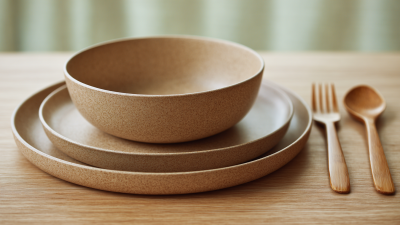
Moreover, the design of these bowls varies widely. Some offer a sleek, rustic look while others focus on durability. However, don’t overlook their biodegradability. A beautiful bowl shouldn’t compromise the earth. Keep in mind that not all Eco Friendly Pulp Bowls perform equally in terms of usability. Reflection on these aspects can lead to better choices in sustainable dining.
Understanding Eco-Friendly Pulp Materials for Dining Bowls
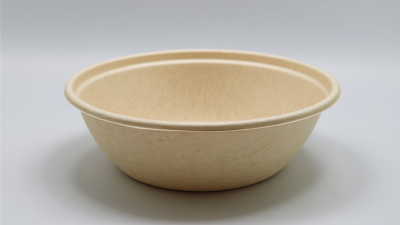
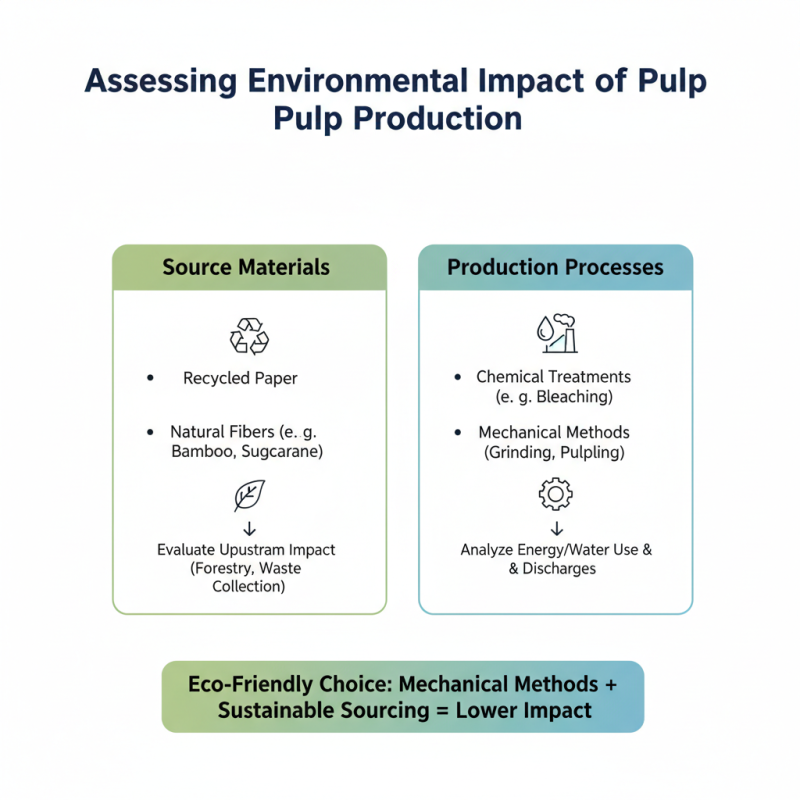
Eco-friendly pulp bowls offer a sustainable alternative for dining. These bowls are often made from recycled paper, sugarcane, and bamboo pulp. Research shows that using these materials can reduce plastic waste significantly. In fact, nearly 300 million tons of plastic are produced each year, leading to severe environmental issues. Pulp bowls decompose naturally, minimizing landfill impact.
Understanding the types of pulp materials is crucial. Bamboo pulp, for instance, grows rapidly and requires less water compared to other crops. It is also biodegradable within 90 days under composting conditions. However, the production process can be energy-intensive, raising questions about sustainability. Evaluating the lifecycle of beach or paper pulp can help ensure your choices are genuinely eco-friendly.
Some consumers overlook certifications for eco-friendly products. It's essential to choose bowls that meet recognized standards. For example, the USDA and FSC certifications ensure responsible sourcing. Without these credentials, it’s hard to guarantee that the products fit the sustainable narrative. Reflecting on these details can lead to better choices for our planet.
Evaluating Durability and Usability of Pulp Bowls
Choosing eco-friendly pulp bowls is essential for sustainable dining. Evaluating their durability and usability helps ensure they're suitable for various occasions. Pulp bowls can be made from recycled paper or natural fibers. This makes them lightweight, but their strength varies.
Tips: Look for bowls known for tear resistance. This is crucial during outdoor events. A wobbly bowl can spoil the dining experience. Opt for bowls that maintain rigidity even when wet.
Usability goes beyond durability. Consider the design. Some bowls are deeper, making them great for salads. Others are shallower, more suitable for snacks. The right shape can enhance the dining layout. Aesthetics matter, too – a well-designed bowl can elevate any table setting.
Tips: Test the bowls with different foods. Hot dishes need inspection for leaks. Also, check if the bowls stack easily; storage space is valuable. Remember that not all pulp bowls are compostable. Researching material sources is essential to ensure eco-friendliness.
Comparing Cost-Effectiveness of Eco-Friendly vs. Traditional Bowls
When considering the cost-effectiveness of eco-friendly pulp bowls versus traditional options, several factors come into play. Eco-friendly bowls are often made from renewable resources, which may lead to higher production costs. This initial investment might deter some consumers. However, these bowls provide significant long-term benefits for the environment. They decompose more quickly, which reduces landfill waste. Traditional plastic or Styrofoam bowls may seem cheaper, but their environmental impact is far greater.
Moreover, using eco-friendly bowls can enhance a dining experience. Imagine a picnic in the park with beautiful, biodegradable bowls. They not only look appealing but also allow diners to feel good about their choices. Yet, a downside exists—eco-friendly bowls may not always hold up well against hot or oily foods. Consumers might need to adjust their expectations. This shift can be challenging, but it encourages a deeper reflection on sustainability and its importance. Investing in eco-friendly options can seem daunting at first, but the lasting benefits are undeniable.
Identifying Recyclability and Compostability of Pulp Bowls
When selecting eco-friendly pulp bowls, understanding their recyclability and compostability is crucial. Pulp bowls are often made from recycled paper or plant fibers. According to a 2021 report by the Environmental Protection Agency, more than 75% of paper products are recyclable. This makes pulp bowls an appealing option for sustainable dining. However, not all products are created equal. Some bowls may contain additives that hinder compostability.
Compostability is another key factor. A study by the Biodegradable Products Institute claims that to be truly compostable, an item must break down within 90 days in a commercial composting facility. Many pulp bowls meet this criterion, yet manufacturers may not clearly label their products. This lack of transparency creates challenges for consumers trying to make informed choices.
It's vital to look for certifications. The American Society for Testing and Materials provides standards for compostable materials. Noticing these certifications can make a difference. Remember, even seemingly eco-friendly choices can have hidden drawbacks. So, questioning every product is essential for sustainable dining practices.
Comparison of Eco-Friendly Pulp Bowls: Recyclability and Compostability
This chart illustrates the recyclability and compostability of different types of eco-friendly pulp bowls, aiding consumers in making sustainable dining choices.