What is a Disposable Bamboo Pulp Bowl and Why It's the Eco-Friendly Choice?
In recent years, the demand for sustainable and eco-friendly products has surged, with the global green packaging market projected to reach $500 billion by 2027, as reported by various industry analyses. Amidst this shift, the Disposable Bamboo Pulp Bowl emerges as a standout option for environmentally conscious consumers and businesses alike. Manufactured from renewable bamboo pulp, these bowls not only offer a biodegradable alternative to traditional plastic and foam containers but also help mitigate the staggering statistic that 300 million tons of plastic are produced annually, much of which ends up in landfills and oceans. By choosing Disposable Bamboo Pulp Bowls, consumers contribute to reducing waste and promoting a circular economy, making it a smart choice for sustainable dining practices and events.
Understanding Disposable Bamboo Pulp Bowls: Features and Benefits
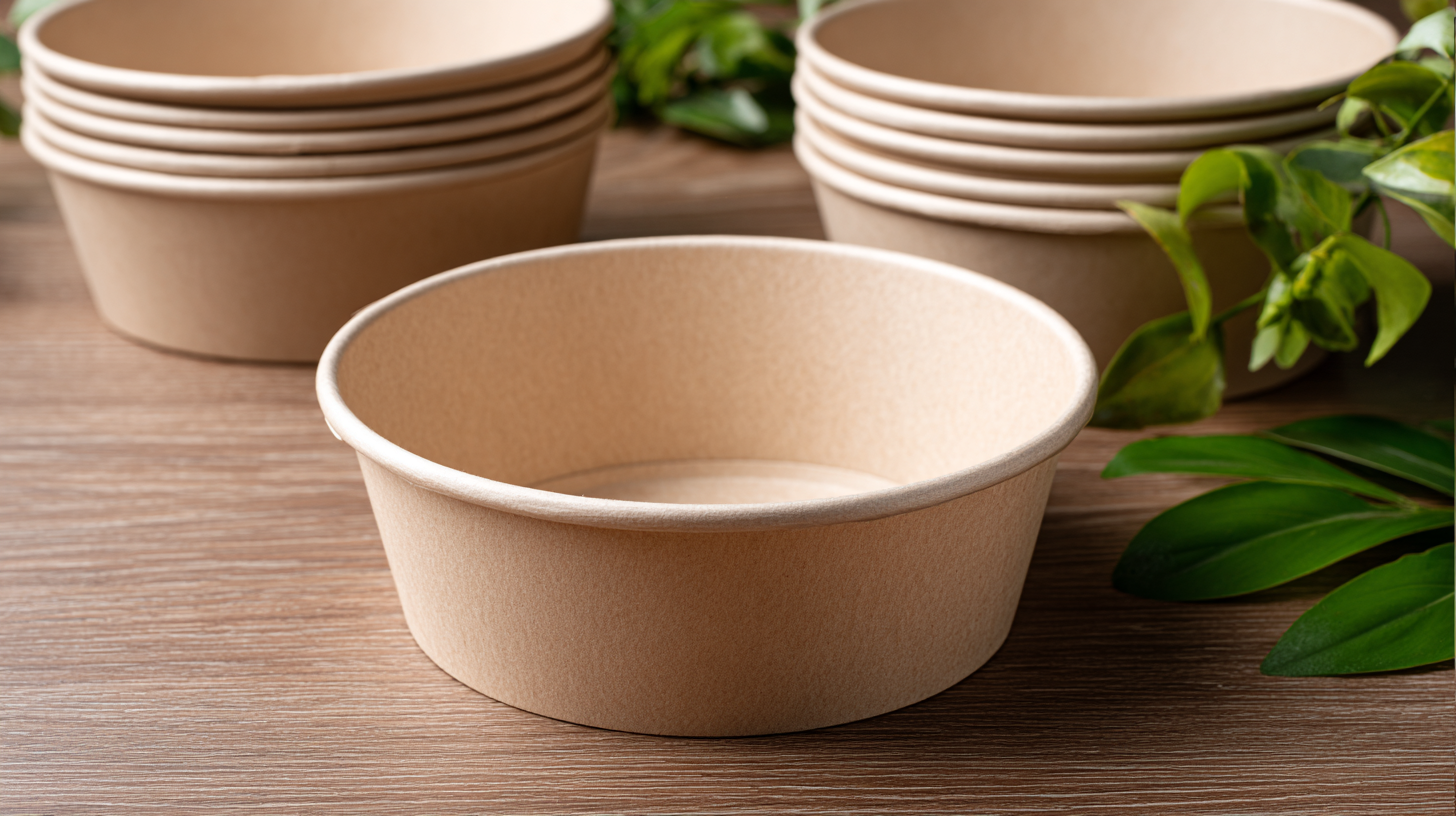
Disposable bamboo pulp bowls are emerging as a popular eco-friendly alternative to traditional plastic and styrofoam tableware. Made from the pulp of bamboo, these bowls are not only biodegradable but also compostable, which means they break down naturally without harming the environment. Bamboo grows rapidly and requires minimal water, making it a sustainable material that helps reduce waste and greenhouse gas emissions associated with conventional manufacturing processes.
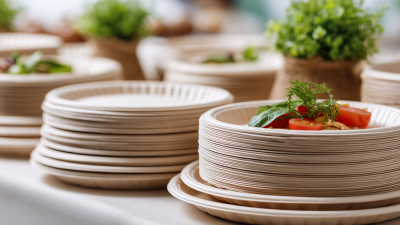
The features of bamboo pulp bowls make them an appealing choice for various occasions. They are sturdy enough to hold a variety of foods, from hot soups to salads, without compromising integrity. Additionally, these bowls come in various sizes and designs, offering versatility for different dining experiences. The natural aesthetic of bamboo also adds a touch of elegance to gatherings, be it a casual picnic or an upscale event. With their combination of functionality and sustainability, disposable bamboo pulp bowls represent a thoughtful choice for individuals and businesses looking to minimize their ecological footprint while enjoying the convenience of disposable tableware.
Environmental Impact of Disposable Bamboo Pulp Bowls
This chart compares the environmental impact of disposable bamboo pulp bowls against traditional plastic bowls. Key metrics include the carbon footprint, biodegradability time, and the number of trees used for production. The data highlights why bamboo pulp bowls are considered an eco-friendly alternative.
The Environmental Impact of Using Bamboo Pulp Bowls Over Traditional Options
Bamboo pulp bowls are swiftly gaining recognition as a sustainable alternative to traditional plastic and paper bowls. According to a report by the Environmental Protection Agency, over 40% of all plastic produced ends up in landfills, taking hundreds of years to decompose. In contrast, bamboo pulp bowls are made from renewable resources and can decompose within 90 to 120 days in the right composting conditions, significantly reducing long-term environmental impact.
Switching to bamboo pulp bowls can lead to a substantial decrease in environmental pollution. A study published in the Journal of Cleaner Production indicated that bamboo cultivation absorbs carbon dioxide at a rate of 48 tons per hectare annually, making bamboo not only a viable material but also a carbon-negative option. This means that choosing bamboo products can help mitigate climate change while promoting sustainable land use.
Tip: When selecting bamboo pulp bowls, look for certification labels that indicate the product is made from sustainably sourced bamboo.
Tip: Always check local composting guidelines to ensure that bamboo pulp bowls can be disposed of appropriately in your area, maximizing their eco-friendly potential.
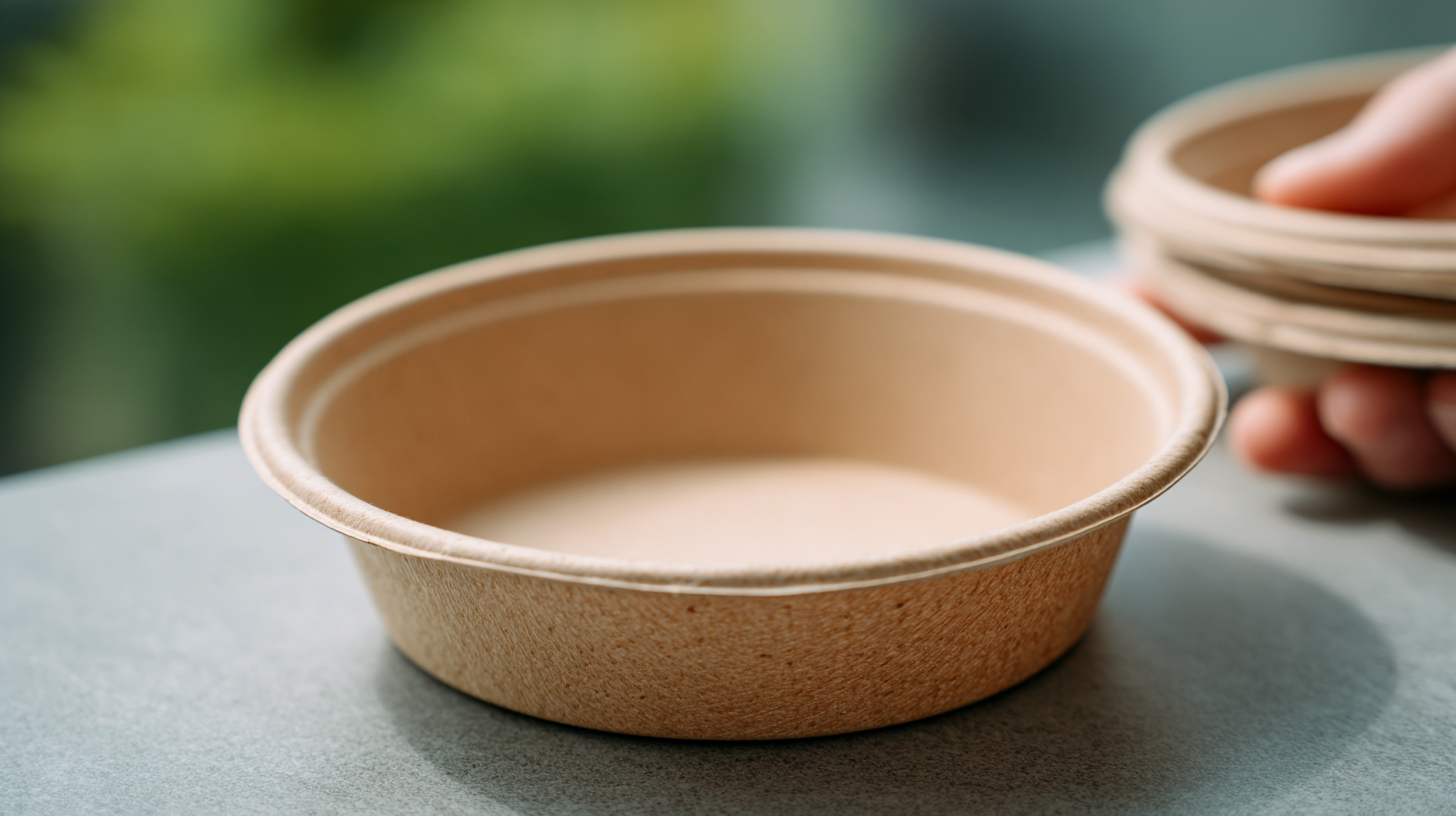
Why Choose Bamboo Pulp: Sustainability and Biodegradability Explained
The rise of environmentally conscious consumerism has led to innovative solutions in disposable tableware, with bamboo pulp bowls emerging as a popular eco-friendly choice. Bamboo, a highly renewable resource, grows rapidly and does not require pesticides or fertilizers, making it a sustainable option for producing disposable products. By choosing bamboo pulp bowls, consumers can contribute to reducing the need for plastic and other non-biodegradable materials that often end up in landfills and oceans.
One of the most significant advantages of bamboo pulp is its biodegradability. Unlike traditional plastic bowls, which can take hundreds of years to decompose, bamboo pulp bowls break down into natural components within months under the right conditions. This characteristic not only minimizes environmental impact but also supports healthier ecosystems. By opting for bamboo pulp products, individuals and businesses alike can promote a circular economy, where materials are reused and returned to the earth, fostering a more sustainable future for generations to come.
Cost-Effectiveness of Disposable Bamboo Pulp Bowls for Your Events
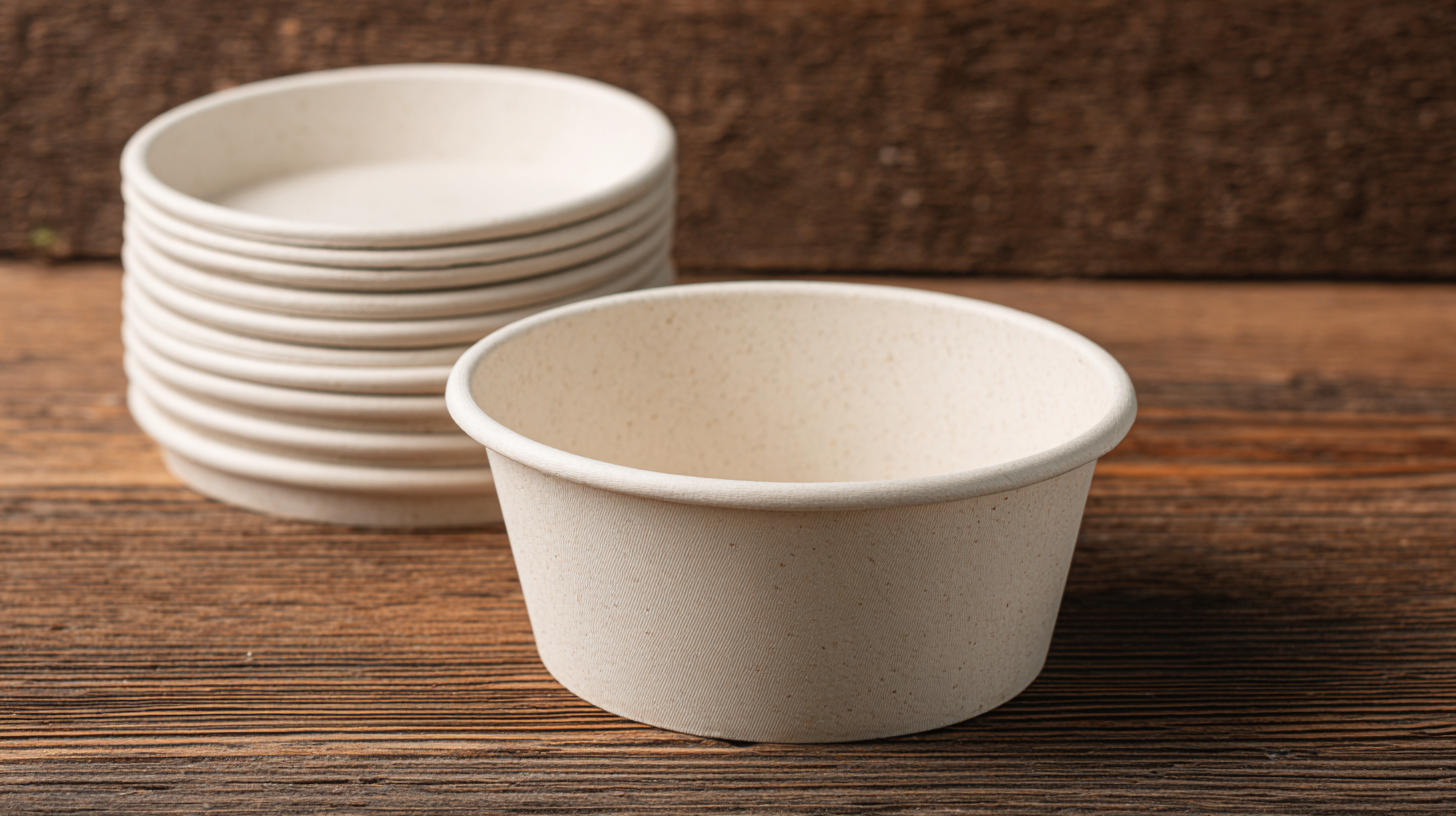 Disposable bamboo pulp bowls are increasingly recognized for their cost-effectiveness, particularly for events where affordability and sustainability are key considerations. As the global market for disposable plates is projected to expand significantly from USD 5.47 billion in 2025 to USD 7.75 billion by 2035, this growth indicates a rising demand for alternative materials that align with eco-friendly practices. Bamboo pulp bowls, made from renewable resources, offer an affordable solution that does not compromise on quality or environmental impact.
Moreover, the shift towards eco-friendly disposable products is not just a trend but a necessity driven by increasing consumer awareness about sustainability. Disposable bamboo pulp bowls are not only competitively priced but also help reduce the carbon footprint associated with traditional plastic options. As businesses look to enhance their event offerings, opting for sustainable materials like bamboo pulp is both a financially savvy and environmentally responsible choice, appealing to a growing demographic that values green products while positively contributing to the planet’s health.
Practical Uses and Versatility of Bamboo Pulp Bowls in Everyday Life
Bamboo pulp bowls are gaining popularity for their versatility and practicality in everyday life. Made from the fibrous material of bamboo pulp, these bowls are not only lightweight and durable but also biodegradable. This makes them an excellent alternative to traditional plastic and paper bowls, which often contribute to environmental waste. In various settings, from picnics to formal events, bamboo pulp bowls serve as an eco-friendly solution for serving food while reducing our carbon footprint.
In the kitchen, bamboo pulp bowls are perfect for meal prep and serving. Their natural properties ensure that they do not retain odors or stains, making them ideal for a range of foods, from salads to desserts. Additionally, these bowls can withstand both hot and cold temperatures, providing versatility for various culinary applications. Beyond the kitchen, bamboo pulp bowls can be utilized in crafting projects, as pet food dishes, or even for organizing small items around the house. Their aesthetic appeal and functional design make them a stylish addition to any home, embodying both sustainability and practicality in everyday use.
What is a Disposable Bamboo Pulp Bowl and Why It's the Eco-Friendly Choice?
| Feature |
Description |
Benefits |
| Material |
Bamboo pulp |
Renewable and sustainable resource |
| Biodegradability |
Fully biodegradable |
Reduces landfill waste |
| Durability |
Strong and sturdy design |
Suitable for both hot and cold foods |
| Usage |
Packaged foods, parties, picnics |
Convenient for on-the-go meals |
| Environmental Impact |
Lower carbon footprint |
Supports eco-friendly initiatives |