In recent years, the demand for sustainable packaging solutions has surged. The Degradable Tray plays a crucial role in this trend. Experts emphasize the importance of making eco-friendly choices in packaging. John Smith, a sustainability expert, states, “Degradable trays can significantly reduce plastic waste.” His insights reflect a growing awareness of environmental issues.
Manufacturers are actively seeking alternatives that minimize ecological impact. Consumers are also becoming more conscious of their choices. The challenge lies in finding products that are both functional and environmentally friendly. Many brands are now exploring degradable materials to meet this need.
However, not all degradable trays perform equally. Some may not fully decompose in landfill conditions. It’s essential to evaluate product certifications and claims carefully. Researching the right types of degradable trays can lead to more thoughtful purchasing decisions. Making informed choices is key to supporting sustainable packaging initiatives.
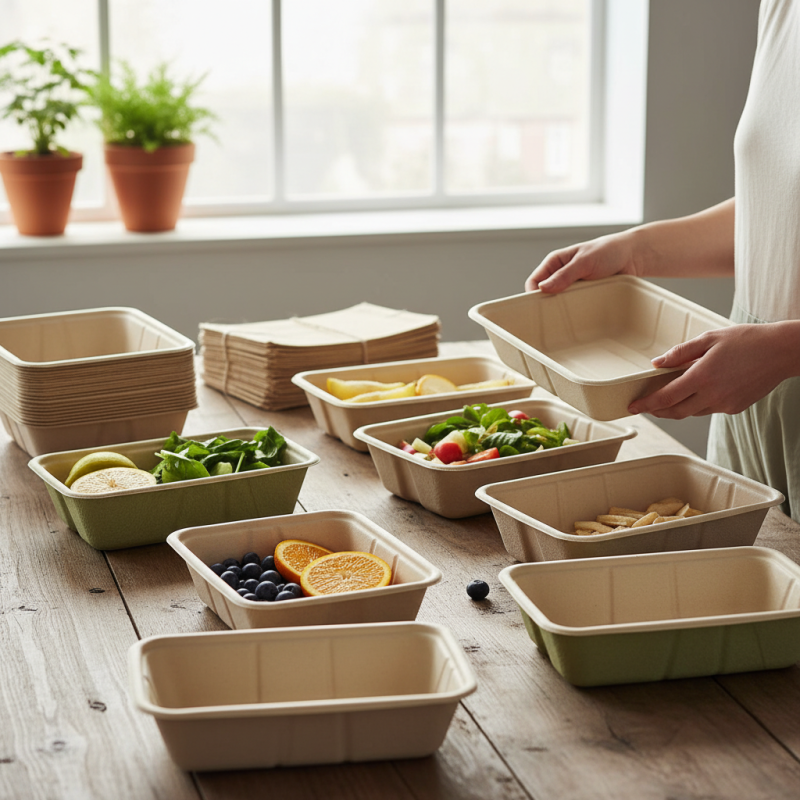
Degradable trays offer a promising solution for sustainable packaging. These products
help reduce environmental impact by breaking down naturally. A report by the Ellen MacArthur Foundation suggests that packaging accounts
for about 40% of plastic waste. Using materials that degrade can significantly lower this figure and promote
a circular economy.
Research from the World Economic Forum indicates that biodegradable packaging options
are on the rise. In 2021, the market for eco-friendly packaging grew by 5.7%. Many companies are now investing in environmentally
responsible alternatives. However, some degradable materials can still take years to break down. This lag raises questions about their overall effectiveness.
It highlights the need for continual refinement in material science.
Consumers are becoming more aware of these challenges. They seek transparency about the products they use. A survey found that 74%
of consumers prioritize sustainable packaging over traditional options. While degradable trays present a step in the right direction, ongoing research
is needed. The ultimate goal is to create effective solutions that truly minimize waste and environmental harm.
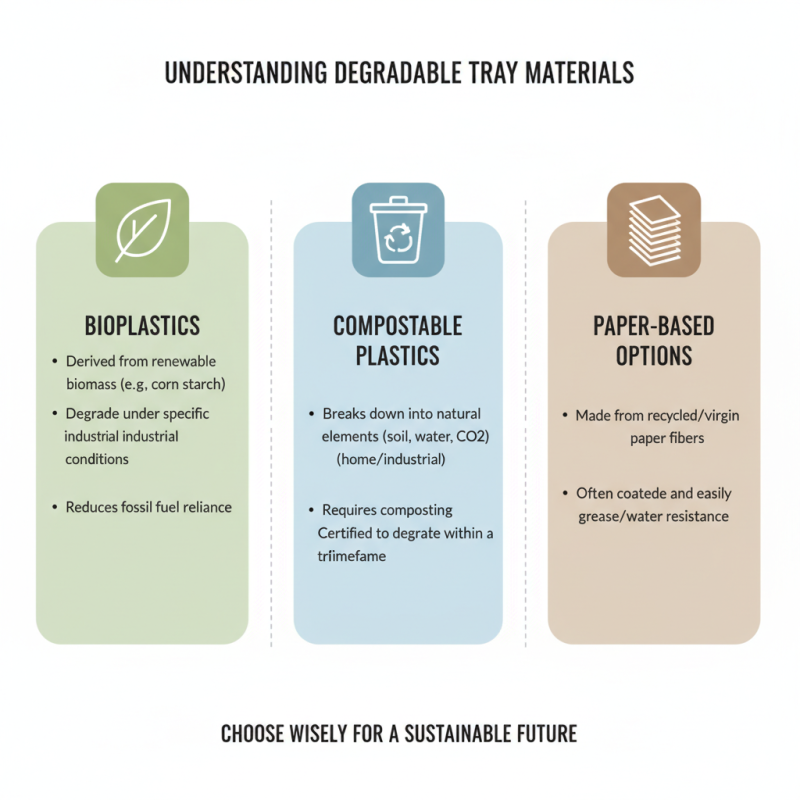
When considering degradable trays, understanding the materials is crucial. Several types of degradable materials are utilized in tray manufacturing. These include bioplastics, compostable plastics, and paper-based options. Each material has distinct properties and decomposition timelines.
Bioplastics, such as PLA (polylactic acid), are derived from renewable resources, like corn starch. They can decompose in industrial composting facilities within 60 to 90 days. However, home composting may not yield the same results, often taking longer. According to a 2021 report by the Biodegradable Products Institute, the market for bioplastics is projected to reach $30 billion by 2024. However, not all bioplastics are alike; some may require specific conditions to break down effectively.
Compostable trays are another option, often made from materials like bagasse or PLA blends. These trays break down in a compost environment, returning nutrients to the soil. Research indicates that compostable trays can reduce landfill waste by up to 50%. Yet, they can sometimes contaminate recycling streams if disposed of incorrectly. Paper-based trays, though biodegradable, often lack the sturdiness of plastic alternatives. They may not offer the same moisture resistance. It's important to weigh the benefits of each material against its limitations.
Degradable trays offer significant benefits for businesses focused on sustainability. These trays break down naturally, reducing landfill waste. Unlike traditional plastic, they contribute to a circular economy. The choice of degradable materials enhances your brand's eco-friendly image. Customers appreciate companies that prioritize the environment.
Transitioning to degradable trays can be challenging. Some businesses worry about cost and availability. However, the long-term environmental benefits far outweigh initial hurdles. Investing in these trays reflects a commitment to sustainability. This can lead to increased customer loyalty. Your decision impacts not only your business but also the planet.
It's essential to understand the limitations. Not all degradable materials are created equal. Some may degrade only in specific conditions, potentially confusing consumers. Educating staff about proper disposal and recycling options is crucial. Engaging with customers can foster a shared commitment to sustainable practices. Overcoming these challenges requires ongoing effort but offers a meaningful impact on the environment.
When considering degradable trays, several factors matter greatly. The material choice is crucial. Trays made from plant-based resins often decompose more naturally than those made from traditional plastics. According to a study by the European Bioplastics Association, bioplastics can reduce greenhouse gas emissions by up to 80% compared to conventional plastic. This metric is vital for companies committed to sustainability.
Another key consideration is the degradation time. Some trays take months, while others may still linger in the environment for years. A report from the Ellen MacArthur Foundation indicates that more than 300 million tons of plastic waste is generated annually. Choosing the right product can significantly reduce this amount. Companies need to evaluate their waste management processes and choose trays that fit seamlessly into their sustainability goals.
Finally, look for certifications. Third-party verification adds layers of credibility. This aspect is sometimes overlooked but is crucial for consumer trust. Customers prefer brands that are transparent about their packaging. It reflects a commitment to environmental responsibility. By weighing these factors, businesses can make informed choices that align with sustainable practices.
Finding high-quality degradable trays can be a challenging task. Sustainable packaging is essential for reducing environmental impact. Many businesses seek reliable sources that prioritize eco-friendliness without compromising quality. Exploring multiple suppliers is key to making the right choice.
Look for suppliers that provide clear information on materials used. Understanding the degradation process of the trays is important. Does the packaging break down naturally? What are the time frames? Transparency in sourcing materials showcases the supplier's commitment to sustainability. Additionally, consider product certifications that guarantee performance and environmental standards.
Sampling products is a wise investment. It allows businesses to test the tray’s durability and usability before committing to a bulk order. Evaluating user feedback can also help identify potential issues. Are there consistent complaints about quality or functionality? Engaging with the suppliers for direct insights can lead to a better understanding of their practices. Taking these steps enhances decision-making for sustainable packaging solutions.
| Material Type | Degradability | Size Options (cm) | Weight Capacity (kg) | Certifications | Average Price (USD) |
|---|---|---|---|---|---|
| PLA (Polylactic Acid) | Compostable | 15 x 20 | 1.5 | ASTM D6400 | 0.50 |
| Bagasse (Sugarcane) | Biodegradable | 10 x 15 | 2 | OK compost | 0.40 |
| Recycled Paper | Degradable | 20 x 30 | 2.5 | FSC Certified | 0.30 |
| Cornstarch | Compostable | 25 x 35 | 3 | ASTM D6868 | 0.60 |
| Plant Fibers | Biodegradable | 18 x 22 | 1.8 | Biodegradable Products Institute (BPI) | 0.55 |