How to Choose the Best Sugarcane Pulp Tableware for Your Needs?
In recent years, the demand for eco-friendly products has surged. One standout in this trend is Sugarcane Pulp Tableware. According to a report by the Global Biodegradable Tableware Alliance, the market for such products is expected to grow by over 15% annually. This growth highlights a shift towards sustainable consumption.
Experts emphasize the importance of selecting the right materials. Dr. Alice Green, an environmental scientist, states, "Choosing the right tableware can significantly reduce environmental impact." Her insights underscore the necessity for consumers to understand their options. Sugarcane Pulp Tableware not only offers a biodegradable alternative, but it also provides durability and aesthetic appeal.
However, the selection process isn't straightforward. Not all Sugarcane Pulp Tableware is created equal. Some products may lack the necessary quality or certifications. Buyers should be vigilant. They need to consider factors like production processes and environmental claims. Making an informed choice can ensure that the pursuit of sustainability aligns with actual environmental benefits.
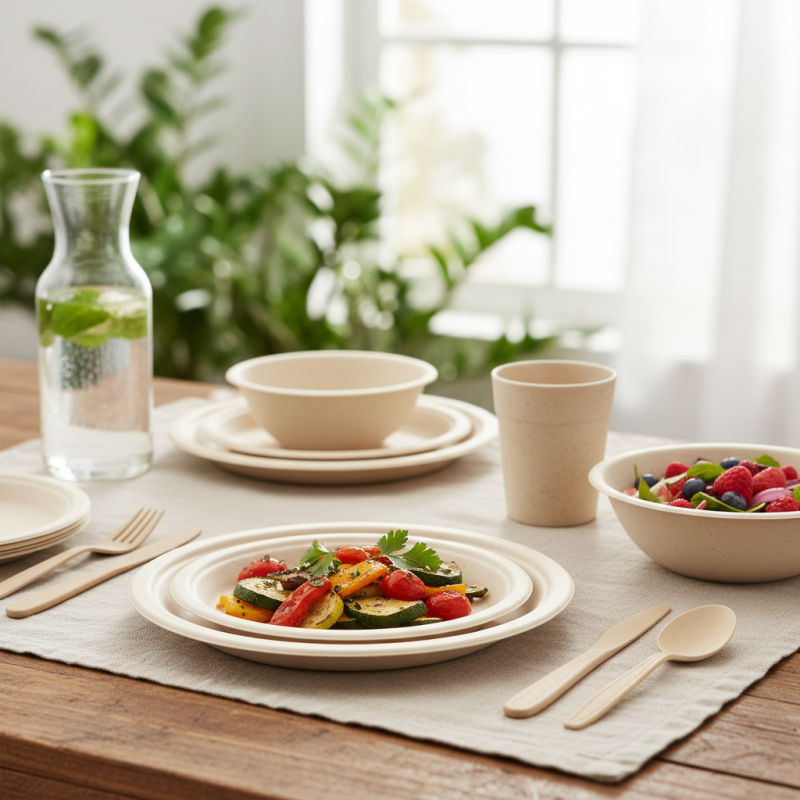
Benefits of Using Sugarcane Pulp Tableware Over Traditional Options
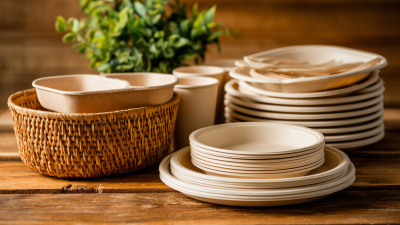
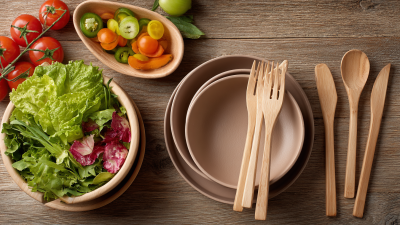
Sugarcane pulp tableware is becoming increasingly popular in eco-friendly dining. This type of tableware is made from the fibrous residue of sugarcane after juice extraction. It offers a sustainable alternative to traditional plastic and paper products. One major benefit is its biodegradability. Unlike plastic, sugarcane pulp breaks down naturally, reducing environmental impact.
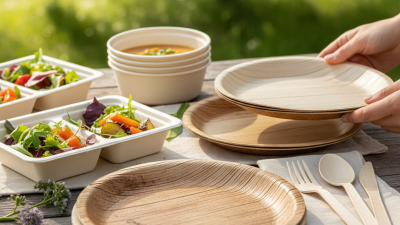
Additionally, sugarcane pulp tableware is sturdy and versatile. It can hold hot and cold foods without leaking or bending. This makes it ideal for various events, from picnics to formal dinners. However, some people find it can feel a bit different than plastic. This texture may take time to get used to.
People also appreciate that sugarcane tableware is microwave-friendly. This provides convenience for reheating meals. Yet, some products may not perform well under high temperatures. It’s essential to check specifications for best results. These aspects encourage thoughtful consideration in choosing the right tableware for your needs.
How to Choose the Best Sugarcane Pulp Tableware for Your Needs?
| Feature |
Sugarcane Pulp Tableware |
Traditional Tableware |
| Material |
Biodegradable and compostable |
Plastic or Styrofoam |
| Environmental Impact |
Lower carbon footprint |
Non-biodegradable waste |
| Durability |
Strong and microwave-safe |
Varies, often less durable |
| Heat Resistance |
Good heat resistance |
Limited heat resistance |
| Cost |
Moderate cost, competitive with eco-options |
Generally lower cost |
| Aesthetic Appeal |
Natural look, suitable for events |
Variety of styles but often bland |
Key Factors to Consider When Selecting Sugarcane Pulp Tableware
When selecting sugarcane pulp tableware, consider durability. Look for products that hold up well under heat and moisture. Test the rigidity by applying pressure during use. Weak tableware can lead to spills and mess.
Next, assess the eco-friendliness of the tableware. Sugarcane pulp is biodegradable, but some products may include plastics. Check for certifications that confirm they are environmentally safe. Remember, not all options are equal when it comes to sustainability.
Tips: Always inspect the packaging for recycling information. Consider the intended use, whether for hot meals or cold dishes. Some designs may not suit every meal. Finally, think about aesthetics. A color or design you love can enhance your dining experience. Don't overlook the visual appeal.
Comparative Analysis of Sugarcane Pulp Tableware Brands and Their Quality
When selecting sugarcane pulp tableware, it's crucial to analyze different brands and their quality levels. Recent industry reports indicate that about 70% of consumers prioritize sustainable materials in their purchase decisions. Sugarcane pulp, made from agricultural waste, often meets these expectations, but not all brands deliver the same value.
A comparative study highlights that some tableware brands may contain additives. These can affect biodegradability. Research shows that up to 30% of products labeled as "eco-friendly" aren’t fully compostable. This discrepancy can mislead consumers who aim to reduce their environmental impact.
Another point to consider is the durability of sugarcane pulp tableware. Some brands perform well in terms of heat resistance, while others may not withstand high temperatures. A 2022 survey revealed that users reported cracking or warping in 25% of cases. It’s imperative to assess user reviews and third-party testing to make informed choices. Quality varies widely within the market. Choosing the right option requires careful scrutiny of each product's specifications and performance in real-world use.
Environmental Impact: Sustainability of Sugarcane Pulp vs. Plastic Tableware
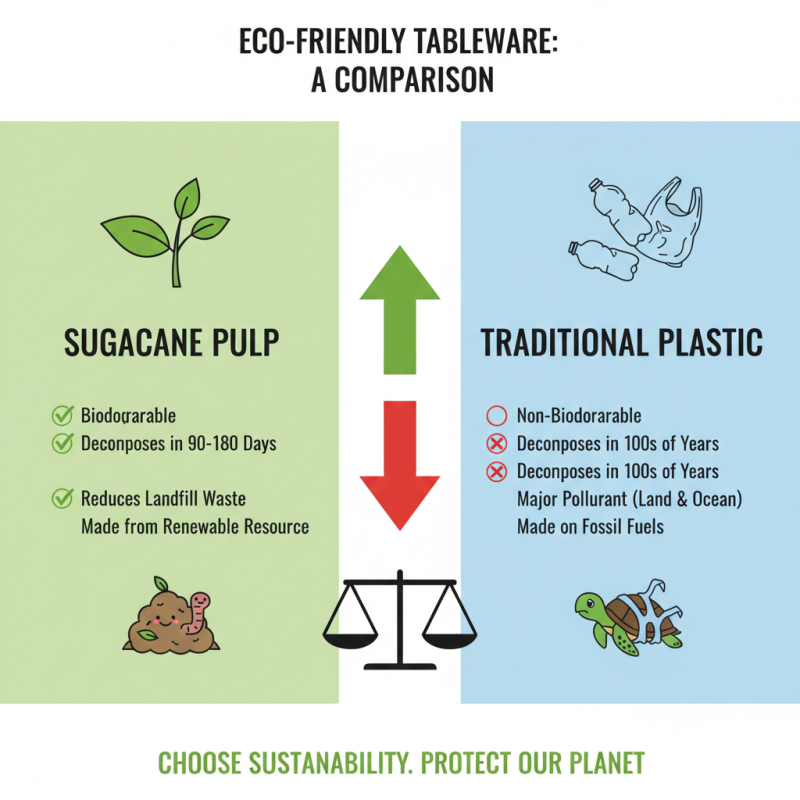
When evaluating the environmental impact of sugarcane pulp tableware, consider its sustainability compared to plastic options. Sugarcane pulp is biodegradable. It decomposes within 90 to 180 days, significantly reducing landfill accumulation. In contrast, traditional plastic can take hundreds of years to break down. This long decomposition period contributes to the global plastic pollution crisis.
According to a report from the Ellen MacArthur Foundation, up to 100 million tons of plastic waste enter the ocean each year. Switching to sugarcane pulp can help address this issue. It’s a renewable resource, as sugarcane can be harvested annually. This contrasts with petroleum-based plastics, which rely on finite fossil fuels.
Tip: Look for certifications that validate the sustainability of sugarcane pulp products. Also, consider usage scenarios. Not all sugarcane products are microwave-safe. Some may not hold up as well with hot liquids. Be mindful when choosing. Sustainable choices shouldn’t compromise your needs.
Cost-Effectiveness: Pricing Trends in Sugarcane Pulp Tableware Market
In the sugarcane pulp tableware market, pricing trends reveal valuable insights. The demand for eco-friendly products has surged. Consequently, many manufacturers are shifting towards sustainable materials. This shift has affected pricing structures significantly.
Cost-effectiveness is crucial for businesses. Many companies seek quality products without overspending. Sugarcane pulp tableware generally offers a competitive price point. However, variations exist depending on production methods and certifications. For instance, compostable products may cost more but provide added value.
Not all options are equal. Some products may look appealing but lack durability. It's essential to research and compare different suppliers before making a decision. Consumers often gloss over these details, driven by price alone. But, understanding the balance between cost and quality is vital for long-term benefits.
Cost-Effectiveness: Pricing Trends in Sugarcane Pulp Tableware Market