How to Choose the Right Sustainable Crockery for Eco-Friendly Dining
In recent years, the call for sustainable living has gained significant momentum, particularly in the foodservice industry, where the choice of materials directly impacts environmental sustainability. According to a report by the Ellen MacArthur Foundation, the global food system is responsible for a staggering one-third of all food produced being wasted, which accounts for about 8-10% of greenhouse gas emissions. This has led to a rising demand for Sustainable Crockery, which not only minimizes waste but also promotes eco-friendly practices in dining settings. By selecting materials that are biodegradable, recyclable, or made from sustainable sources, restaurants and consumers alike can contribute to the reduction of their carbon footprint. As the market for eco-friendly products expands, understanding how to choose the right sustainable crockery becomes crucial for those committed to transforming their dining experiences into environmentally responsible practices.
Factors to Consider When Selecting Sustainable Crockery
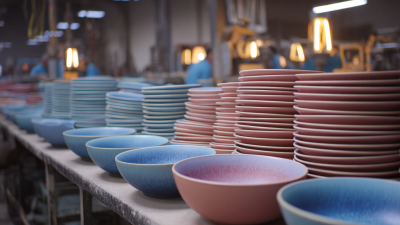
When selecting sustainable crockery for eco-friendly dining, several key factors should be considered. Firstly, the material plays a crucial role. Bioplastics are gaining traction in the market, with an expected compound annual growth rate (CAGR) of 8.96% from 2025 to 2033. This emphasizes the growing demand for dining solutions that minimize environmental impact. Additionally, ceramic crockery is also popular, with a projected market growth from $2.15 billion in 2022 to $3.02 billion by 2030, indicating a strong preference for durable and sustainable options that can withstand the test of time.
Another important consideration is consumer behavior and brand responsiveness. As climate change concerns grow, consumers increasingly demand sustainable products. Research shows that 89% of consumers have shifted towards purchasing eco-friendly options, which highlights the importance of brands aligning their offerings with sustainability values. Brands must be transparent about their materials and production processes to meet this demand effectively. In this context, businesses focusing on recyclable plastics or alternative materials are likely to thrive in the evolving market, making it essential for consumers to choose brands that prioritize these sustainable practices.
Types of Eco-Friendly Materials for Crockery Choices
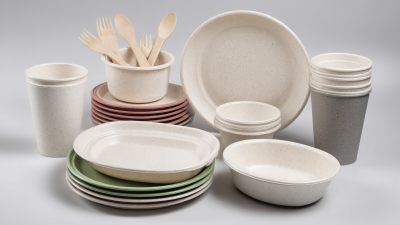
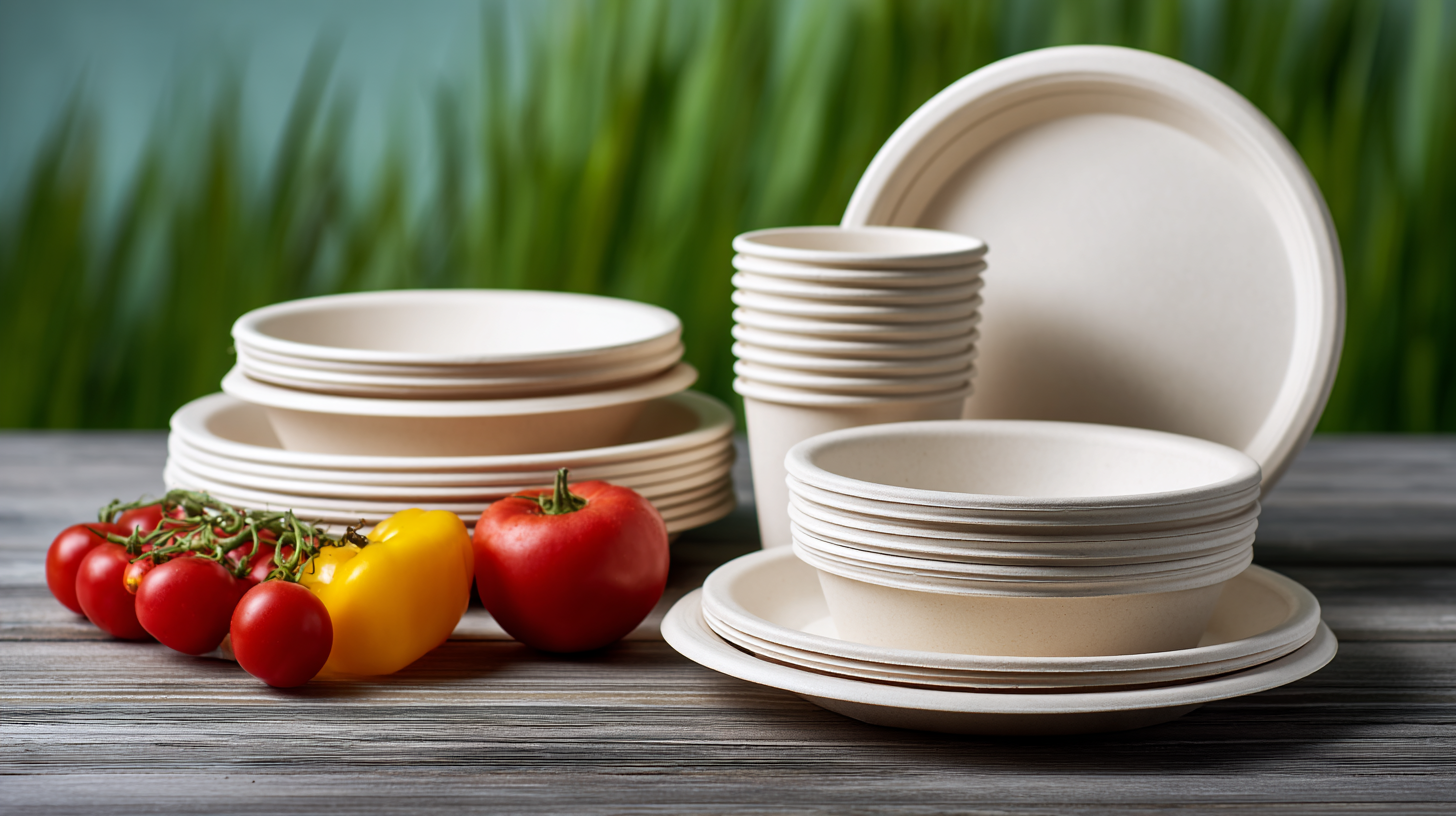
When selecting sustainable crockery for eco-friendly dining, understanding the various materials available is crucial. One popular option is bamboo, a fast-growing and renewable resource.
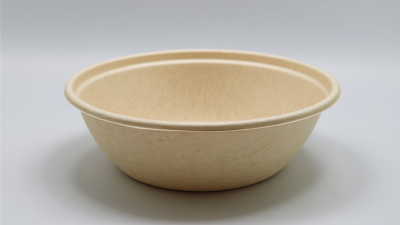
Bamboo crockery is lightweight, durable, and biodegradable, making it an excellent choice for both casual and outdoor dining. It offers a natural aesthetic and can come in various designs and finishes to suit different preferences.
Another material worth considering is recycled glass. This eco-friendly alternative is made from repurposed glass items, reducing waste and energy consumption in the production process.
Recycled glass crockery not only looks elegant and stylish but is also dishwasher and microwave safe, providing convenience alongside sustainability. Additionally, ceramic made from natural clay can be a great option, particularly if it is produced using eco-conscious methods. Ceramic not only offers durability and multifunctionality but also often features beautiful, unique designs that enhance any dining experience while minimizing your environmental footprint.
Evaluating Durability and Life Cycle of Sustainable Dishes
When selecting sustainable crockery for eco-friendly dining, evaluating the durability and life cycle of dishes is crucial. According to a report by the Ellen MacArthur Foundation, the production of traditional tableware often contributes significantly to environmental degradation due to high waste levels and carbon emissions. In contrast, sustainable dinnerware, made from materials like bamboo, recycled glass, or biodegradable ceramics, presents a lower environmental impact. For example, bamboo crockery not only decomposes naturally but also requires less energy in production compared to conventional materials, making it an excellent choice for eco-conscious consumers.
Moreover, the life cycle analysis (LCA) of these sustainable options reveals that the longevity of the crockery directly affects its ecological footprint. A study published in the Journal of Cleaner Production highlights that dishes designed to last longer — whether through sturdier materials or better design — significantly reduce the number of replacements needed over time, thus conserving resources and minimizing waste. Therefore, when opting for sustainable dining solutions, consider options that offer both durability and a favorable life cycle impact to promote a more sustainable lifestyle.
How to Choose the Right Sustainable Crockery for Eco-Friendly Dining
| Material |
Durability |
Life Cycle (Years) |
Eco-Friendliness Rating |
Heat Resistance (°C) |
| Bamboo |
High |
3-5 |
A+ |
70 |
| Recycled Glass |
Medium |
5-10 |
A |
200 |
| Ceramic |
High |
10-15 |
B+ |
250 |
| Bamboo Fiber |
Medium |
2-4 |
A |
90 |
| Stainless Steel |
Very High |
20-30 |
A++ |
300 |
Design and Aesthetics: Balancing Sustainability with Style
In the quest for eco-friendly dining, selecting sustainable crockery involves a careful balance between design and functionality. Aesthetics play a crucial role, as consumers increasingly seek items that enhance their dining experiences while aligning with their environmental values. The latest sustainable trends from Hong Kong and Asia highlight how makers are successfully integrating style with ethical practices, demonstrating that elegance and eco-friendliness can coexist harmoniously.
Innovations in materials and designs reflect a shift toward mindful consumption. For instance, the use of natural, biophilic elements not only contributes to a more pleasant dining atmosphere but also supports sustainability goals by minimizing the environmental footprint. As we move toward 2025, the integration of aesthetic value with practical utility in crockery design will likely become more pronounced, inspiring a new generation of dining ware that reflects both style and ecological responsibility.
Cost vs. Benefit: Investing in Quality Eco-Friendly Crockery
When considering the shift towards sustainable dining, it's crucial to assess the cost versus benefits of investing in quality eco-friendly crockery. The India tableware market is projected to expand significantly, driven by a growing consumer preference for sustainable materials. According to a recent industry analysis, the demand for eco-friendly tableware, including materials like bamboo and recycled ceramic, is gaining momentum. This shift reflects not only environmental consciousness but also a willingness to invest in durable products that offer long-term savings.
Tips for choosing eco-friendly crockery include researching various materials and their environmental impacts. For instance, while bamboo is a rapidly renewable resource, traditional ceramic options can be equally sustainable if sourced ethically. Additionally, investing in higher-quality items often results in less frequent replacements, ultimately reducing waste.
Another consideration is the versatility of the materials. Melamine and glass are often favored for their durability and aesthetic appeal, making them suitable for both casual and formal dining. As the India tableware market continues to evolve, consumers are increasingly prioritizing sustainability without compromising on style or practicality.