How to Choose Eco-Friendly Tableware for Sustainable Living?
Choosing the right tableware is vital in our journey towards sustainable living. Eco-Friendly Tableware has gained prominence as people become more conscious of their environmental footprint. According to William Green, an expert in sustainable products, “The choices we make at the dinner table resonate beyond our meal.” His insight underscores the importance of our selections in shaping a greener future.
When selecting Eco-Friendly Tableware, consider materials that are biodegradable and compostable. Bamboo, recycled plastics, and glass can be excellent choices. They reduce waste and promote a healthier planet. However, it's crucial to research brands. Not all products claiming to be eco-friendly meet rigorous standards.
You may notice that some items, though marketed as sustainable, still carry hidden environmental costs. Transparency is vital. Look for certifications to confirm a product's claims. Balancing aesthetics with environmental impact can be challenging. But these choices reflect our values and commitments to the planet. Choose wisely, for each decision matters in our collective effort toward sustainability.
Understanding Eco-Friendly Materials for Tableware
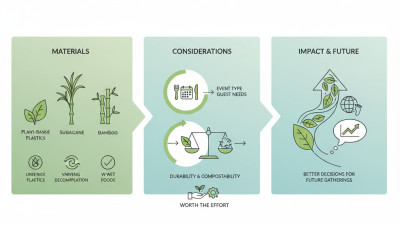
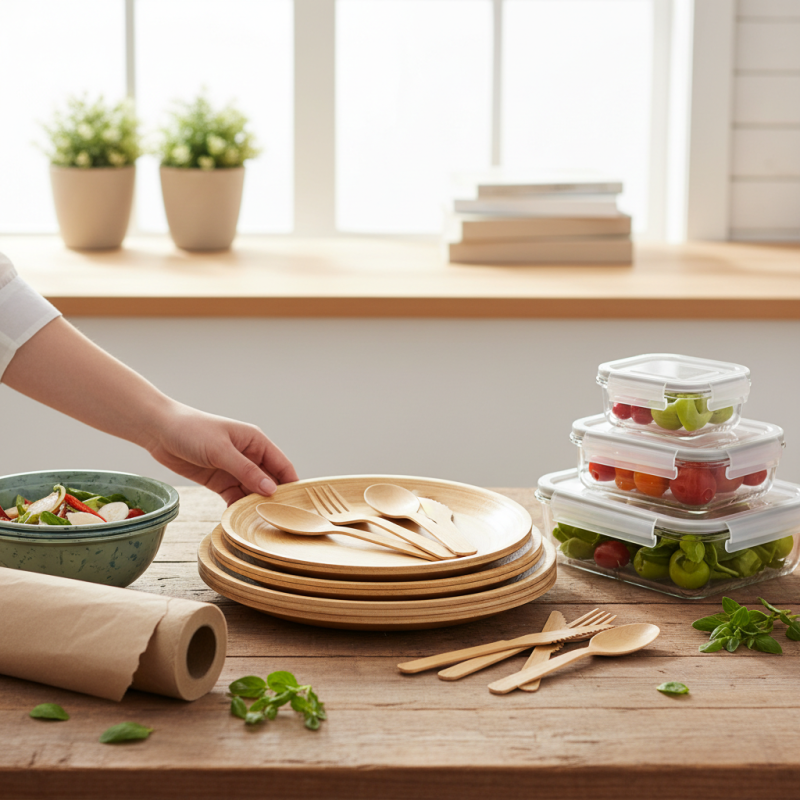
When selecting eco-friendly tableware, it's crucial to understand the materials involved. Biodegradable options like bamboo are popular for their rapid decomposing nature. These products break down within months, leaving minimal environmental impact. They also provide a natural aesthetic that enhances dining experiences.
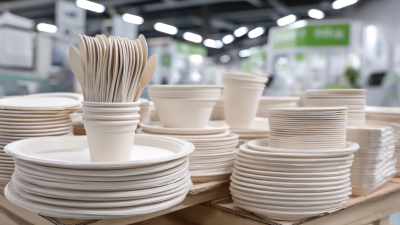
Other materials, such as recycled paper or plant-based plastics, offer versatile solutions. They are often lighter and safer for outdoor use. However, it's essential to check for proper certifications to ensure true sustainability. Some packaging can be misleading, thus requiring careful evaluation.
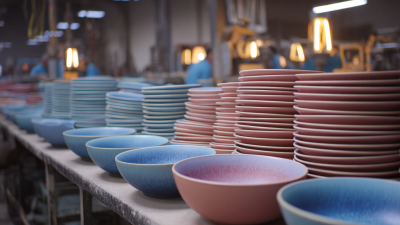
Ceramics and glass can also be eco-friendly, especially when sourced locally. These items are durable and reduce the need for frequent replacements. Yet, this approach may require more energy in production. Finding a balance between sustainability and practicality is not always straightforward. Educating yourself on these materials can lead to better choices for a sustainable lifestyle.
Evaluating Durability and Lifespan of Sustainable Tableware
When choosing eco-friendly tableware, durability often gets overlooked. However, it's a crucial factor that impacts both sustainability and your budget. Durable tableware lasts longer, reducing the need for frequent replacements. This means less waste generated over time.
Materials like bamboo, stainless steel, and tempered glass are known for their strength. They can withstand everyday use without degrading quickly.
While exploring options, consider the product’s lifespan in real-world settings. Some tableware might look appealing but could chip or break easily. Evaluate user reviews and experiences to get insights into their durability. Remember, an attractive design is not enough if it doesn't hold up over time. Finding the right balance can be challenging. It requires research and sometimes a leap of faith in lesser-known materials.
Think about the environmental impact, too. Even the most durable options can leave a footprint during production. Reflect on your choices. Are they truly sustainable in the long run? Aim for products that offer durability while minimizing environmental harm. By assessing durability, you contribute to more responsible consumption.
Assessing the Environmental Impact of Production Processes
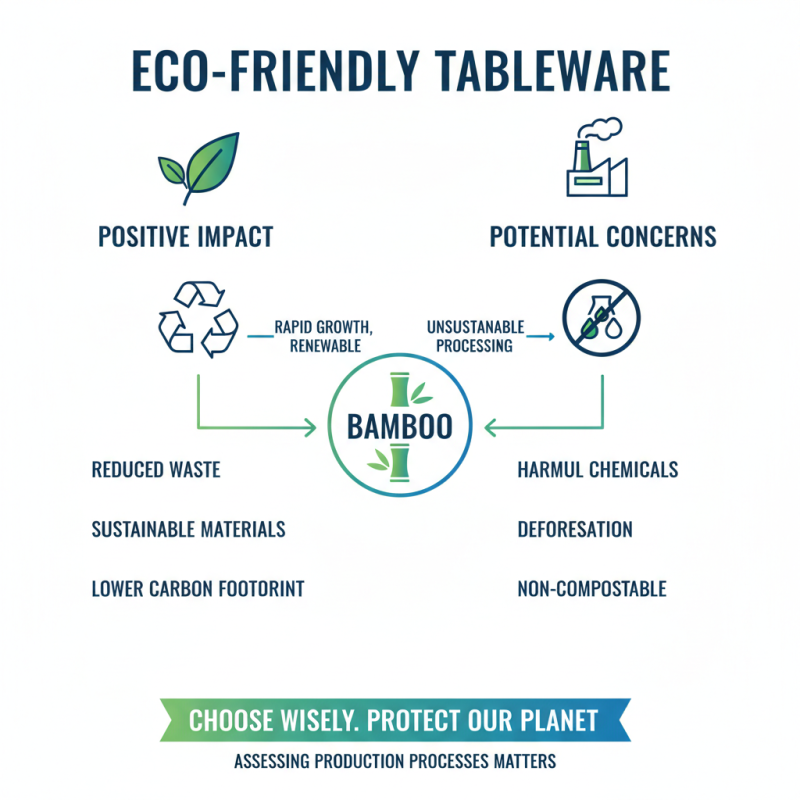
Choosing eco-friendly tableware is more than a trend; it reflects our commitment to sustainability. When assessing the environmental impact of production processes, factors like materials and manufacturing methods require close examination. For instance, bamboo is a popular choice, known for its rapid growth. However, not all bamboo products are made sustainably. Some manufacturing processes use harmful chemicals or involve deforestation.
Other materials, like recycled paper or glass, can be better options. Recycled products often have a lower environmental footprint. Yet, the energy consumed in the recycling process can vary significantly. Not every recycling facility operates efficiently. As consumers, we need to ask questions about sourcing, energy use, and the longevity of the product.
Also, consider the end of life cycle for tableware. Many products are labeled as "biodegradable," but how effective is that really? Some items break down only in specific conditions. Understanding these nuances empowers us to make thoughtful choices. Every decision impacts our planet, and it's essential to engage with these issues.
Exploring Certifications and Labels for Eco-Friendly Products
When choosing eco-friendly tableware, understanding certifications and labels is crucial. These marks indicate that products meet environmental standards. Look for certifications like BPA-free, compostable, and biodegradable. Each certification can guide you toward sustainable choices.
Not all labels are created equal. Some may be misleading, or their meanings may be unclear. For instance, "green" doesn’t always guarantee environmental benefits. Research the organization behind each certification. Knowledge helps you avoid greenwashing.
Pay attention to materials used in tableware. Bamboo, wheat straw, and recycled products often have credible certifications. Remember, sustainable choices can be confusing. Reflect on what truly matters to you. Often, perfection isn’t possible, but informed choices can make a difference.
Choosing the Right Style and Design for Sustainable Living
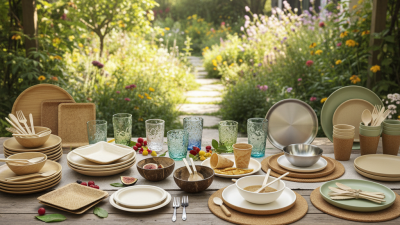
When selecting tableware for sustainable living, the style and design play crucial roles. Look for materials that are biodegradable or recyclable. Bamboo, for instance, is a popular choice. It’s lightweight and stylish, yet it doesn’t compromise environmental integrity. Many people overlook the color and texture of tableware. Earthy tones or natural finishes tend to blend seamlessly with nature, creating a calming dining experience.
Consider your personal aesthetic too. Do you prefer a minimalist look or something more vibrant? A set that reflects your style can enhance your eating space while promoting sustainability. However, be mindful of trends; they can change quickly and may not last. Quality over quantity is essential. Invest in a few well-chosen pieces rather than a large, mismatched collection. This can help reduce waste over time.
A common pitfall is assuming that all “eco-friendly” products are equally sustainable. Research is vital. Some materials may seem environmentally friendly, but their production process can be harmful. Therefore, seek out clear, transparent information about sourcing and manufacturing. This attention to detail aids in making truly sustainable choices.
Eco-Friendly Tableware Material Comparison
This chart illustrates the popularity index of various eco-friendly tableware materials, providing a visual comparison for sustainable living choices. As consumers become more interested in sustainability, the options for eco-friendly tableware are increasingly relevant.