How to Choose the Best Biodegradable Disposable Tray for Your Needs?
Choosing the right Biodegradable Disposable Tray can be a daunting task. Experts agree that quality matters. Dr. Emily Green, a sustainability expert, once stated, “Not all biodegradable options are created equal.” This highlights the importance of informed choices in this growing market.
When selecting a tray, consider the materials used. Many options rely on plant-based substances or recycled materials. Check for certifications that validate their compostability. Look for specific mentions of the breakdown timeframe, which can vary greatly among products.
Consumer needs can differ widely. Some may prioritize convenience, while others focus on environmental impact. It’s essential to reflect on personal values. Overlooking these factors may lead to dissatisfaction with your purchase. We all want to contribute to sustainability but may struggle to find the right balance.
Factors to Consider When Selecting Biodegradable Disposable Trays
Choosing the right biodegradable disposable tray can be daunting. It involves evaluating various factors, including material composition, size, and usability. Research shows that the global demand for biodegradable products is growing rapidly. According to a report by Grand View Research, the biodegradable plastics market is projected to reach $6.63 billion by 2025. This trend highlights the importance of selecting the right product for sustainability.
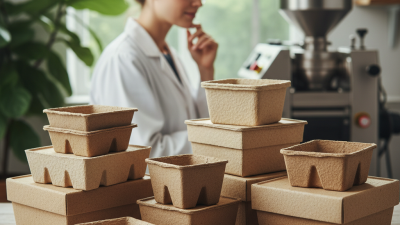
When assessing biodegradable trays, consider their material. Options range from plant-based plastics to paper pulp. Each material has unique properties and degradation timelines. For example, some trays may take weeks to decompose, while others could last months. It's crucial to examine specific requirements based on intended use. For instance, food service items often need to withstand moisture and heat.
Another factor to weigh is the size and design of the trays. The wrong size can lead to spills and wastage. In 2020, an estimated 40% of food waste originated from prepared meals. Selecting an appropriate size can help mitigate this issue. Compatibility with existing operational systems is another consideration. Ultimately, choosing the best tray is a balance of practicality and environmental responsibility. Reflect on your specific needs and the broader impact of your choices on sustainability.
How to Choose the Best Biodegradable Disposable Tray for Your Needs?
| Feature |
Description |
Pros |
Cons |
| Material |
Common materials include sugarcane, bamboo, and corn starch. |
Eco-friendly, compostable, and renewable resources. |
May not be suitable for all food types, potential higher cost. |
| Size |
Available in various sizes to accommodate different food portions. |
Versatile for multiple servings. |
Choosing the wrong size can lead to waste. |
| Strength |
Strength varies based on material; some are sturdier than others. |
Durable options available for heavier food items. |
Weaker trays can break or leak. |
| Temperature Resistance |
Some trays can withstand hot or cold temperatures, while others cannot. |
Suitable for both hot and cold foods enhances usability. |
Inadequate heat resistance may result in tray deformation. |
| Compostability |
Ability to break down into natural elements in a composting environment. |
Environmentally friendly and reduces landfill waste. |
Requires proper composting conditions to break down effectively. |
Types of Biodegradable Materials Used in Disposable Trays
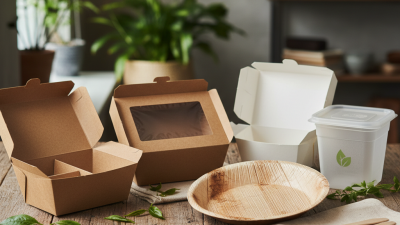
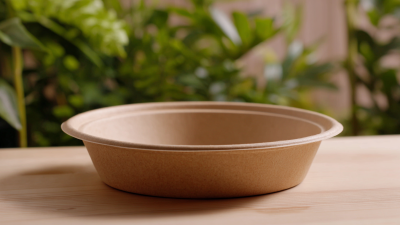
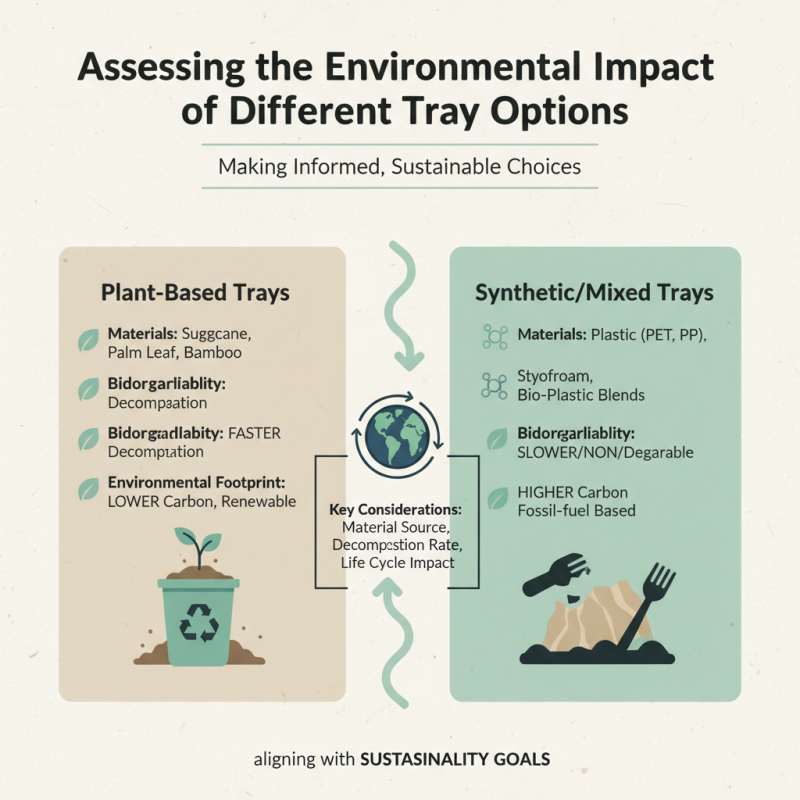
When choosing biodegradable disposable trays, understanding the types of materials is key. Common biodegradable materials include sugarcane bagasse, bamboo, and PLA (polylactic acid). Sugarcane bagasse is derived from the fibrous residue left after processing sugar. It’s sturdy and compostable, making it ideal for many food applications. Bamboo trays are lightweight and attractive. Bamboo grows rapidly and has a minimal environmental impact.
PLA is made from fermented plant starch. It works well for cold food items and is fully compostable if disposed of correctly. However, it can be less effective with hot foods. The decomposition process of PLA also requires specific conditions—this could lead to confusion in disposal methods.
**Tip:** Always check the manufacturer's guidelines for disposal. Not all biodegradable materials break down in regular compost piles.
Incorporating combinations of these materials can enhance functionality. For instance, some manufacturers blend bagasse and PLA to improve heat resistance. Yet, mixtures may complicate recycling efforts. The balance between strength, cost, and biodegradability is often delicate. Reflecting on your specific needs will yield the best results in your choice.
**Tip:** Consider your food service environment. Will the trays be used for hot, cold, or both? This choice significantly influences the material selection.
Types of Biodegradable Materials Used in Disposable Trays
Understanding Size and Shape Requirements for Your Specific Use
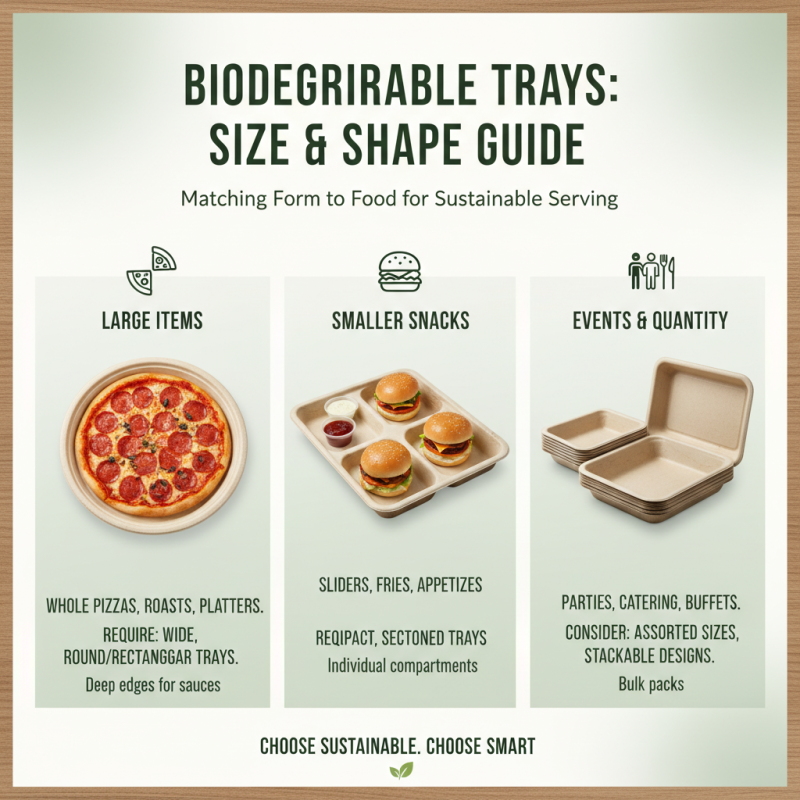
Choosing the right size and shape for biodegradable disposable trays is crucial. Different food types require different tray dimensions. For example, larger items like whole pizzas need wider trays. Smaller snacks, like sliders, can fit well in compact designs. When hosting events, consider how many items you plan to serve.
Tips: Measure your food items before purchasing trays. If you're unsure, opt for a versatile size. This ensures that guests can enjoy the food without spillage.
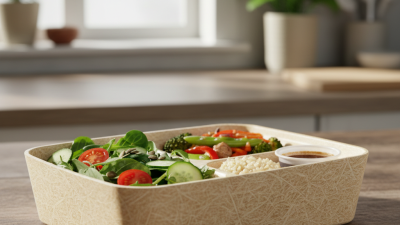
Shape matters, too. Rectangular trays are ideal for layered dishes. Round trays can work well for salads or appetizers. Be cautious, though—some shapes may not stack easily. Think about how they will be stored.
Tips: Test a few samples before buying in bulk. You might find that a shape you assumed was perfect is not practical. It's wise to reflect on how these trays will fit within your serving and storage constraints.
Evaluating Cost-Effectiveness of Biodegradable Trays on the Market
When evaluating the cost-effectiveness of biodegradable trays, consider several key factors. The initial purchase price is important, but it should not be the sole focus. Analyzing total lifecycle costs gives a clearer picture. These trays may offer savings over time. For instance, reduced waste disposal fees can offset higher upfront costs.
Material choice plays a significant role. Some biodegradable materials break down faster. This can positively impact environmental costs. However, not all biodegradables are created equal. Some might claim to be eco-friendly but have hidden environmental costs. Research is essential to avoid these pitfalls.
Consumer reviews can offer insight into real-world performance. Not all trays hold up well under use. Heavy foods may cause leaks or breaks. Observing these nuances helps to inform a smarter choice. The goal should be to find a balance between cost and reliability. Investing time in research may lead to better long-term decisions.