How to Choose a Prefab Container House for Your Needs?
When considering a Prefab Container House, the options available can be overwhelming. This type of housing is gaining popularity for its affordability and sustainability. It's essential to choose a design that fits your lifestyle and requirements. Understanding the details can help you avoid costly mistakes later.
The construction quality varies among manufacturers. Some may cut corners, impacting durability and comfort. Pay attention to insulation, materials, and layout. You want a space that not only feels good but lasts long. Think about customizability. Can the design adapt to your specific needs? Flexibility might save you from future regrets.
Additionally, consider location and zoning laws. Not every area allows prefab units. You might find your dream house is not permitted in your chosen location. Research local regulations and community guidelines. Reflect on these aspects. Each choice you make should lead you to a home that fulfills your vision.
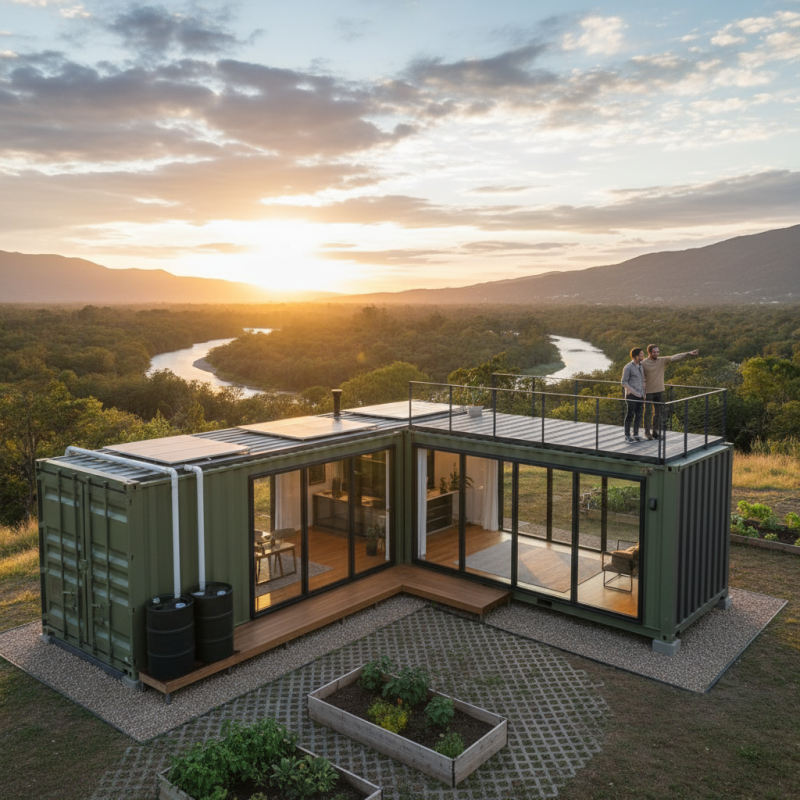
Identifying Your Space and Size Requirements for a Container House
Choosing the right size for a prefab container house is crucial. Space and size impact both comfort and functionality. Reports show that 30% of potential buyers regret not considering size carefully. A well-planned layout can save you from future headaches.
Consider your living habits. Do you need a compact space for minimal living? Or a larger area for family gatherings? A studio-style layout often requires less than 300 square feet. In contrast, a multi-room configuration may need over 600 square feet. The U.S. Census Bureau reports that average homes exceed 2,500 square feet, highlighting a trend towards expansive living. Yet, smaller, efficient designs are gaining popularity.
Think about storage and outdoor space too. A container house can become cluttered without proper planning. Utilize vertical space for storage solutions. Seek outdoor areas for recreation and relaxation. Reflect on your daily routine when planning. Misjudgments in size can lead to discomfort. Make size a priority to fit your lifestyle. Balancing aesthetics and functionality is key to a harmonious living environment.
Evaluating Different Types of Prefab Container Houses
When evaluating different types of prefab container houses, it's essential to consider your specific needs. Various designs offer unique features. A basic container house might be cost-effective but could lack space. Larger models provide room for families or offices. Assess how many rooms you need. A single room might suffocate a growing family.
Next, think about insulation and durability. Some containers are better suited for colder climates. They can help maintain a comfortable temperature. Others may be less robust and require extra maintenance. This adds to long-term costs. Don’t overlook local regulations either. Some areas have strict rules on container home setups. It’s easy to overlook this, but it can lead to frustrating situations later.
Aesthetic appeal is also crucial. The exterior can range from industrial to modern designs. Personal preferences vary widely. Some people appreciate a minimalist look, while others prefer vibrant colors. However, personal style choices can sometimes clash with container structure limitations. It’s a balance that requires careful thought. Remember to visualize your dream home beyond just the basics.
Considering Budget and Financing Options for Your Project
Choosing a prefab container house involves careful consideration of your budget and financing options. According to a recent industry report, about 35% of homeowners underestimate the overall costs involved. This often leads to unexpected expenses during the project. A budget of $10,000 to $50,000 is common for a basic container home, but customizations can increase this significantly.
Financing your container house project can be challenging. Traditional lenders may not recognize these homes as permanent residences. As such, alternative financing options, like personal loans or specialized credit unions, have become increasingly popular. Some data suggests that over 60% of buyers seek non-traditional routes. This can lead to higher interest rates, which may impact affordability.
Investing in a prefab container house requires more than just initial costs. Long-term expenses, such as utilities and maintenance, should be included in your plans. A survey indicates that 40% of container homeowners reported unforeseen maintenance costs after moving in. Scrutinizing your budget helps avoid pitfalls. Always explore all financing avenues to make informed decisions.
Budget Breakdown for Prefab Container House Project
Assessing Location, Zoning, and Permitting Regulations
When choosing a prefab container house, you must consider location, zoning, and permitting regulations. The site of your container home has a profound impact on its effectiveness. Look for land that suits your lifestyle. Urban areas may have stricter rules than rural locations. A great view can be enticing, but access to utilities is crucial.
Zoning laws can be confusing. Often, they dictate what type of structure can be placed in a given area. Some neighborhoods may allow container homes, while others do not. Research local regulations thoroughly. Talk to neighbors or a local expert about your project. It’s easy to overlook potential roadblocks. Unexpected issues can arise, leading to delays and additional costs.
Permitting is another hurdle. You may need multiple permits before construction begins. Each municipality has its requirements. This process can be frustrating. Make sure to gather all necessary documentation ahead of time. Engaging with local authorities early can save time later. Although it’s a challenging journey, understanding these factors will help bring your vision to life.
How to Choose a Prefab Container House for Your Needs?
| Aspect | Considerations | Examples |
| Location | Overall climate, accessibility to utilities, proximity to amenities | Urban, rural, coastal areas |
| Zoning Regulations | Check local zoning laws and regulations regarding container homes | Residential, commercial, mixed-use zones |
| Permitting Regulations | Determine required permits for construction and installation | Building permits, electrical permits |
| Budget | Total cost estimating, including land and utility connections | Cost of container, delivery, setup |
| Design Features | Consider aesthetics, insulation, and space utilization | Modern, rustic, minimalist designs |
| Sustainability | Use of eco-friendly materials and options | Solar panels, rainwater collection systems |
Exploring Customization Options and Features for Your Container Home
When considering a prefab container house, customization options are crucial. According to industry reports, nearly 80% of buyers opt for tailored features. Popular choices include adjustable layouts to create open spaces or separate rooms. Many prefer large windows for natural light. The ability to modify the floor plan can significantly enhance comfort.
Materials selection is another key factor. Insulation is essential for climate control. A well-insulated container can reduce energy costs by up to 30%. Some focus on sustainability, choosing eco-friendly materials. However, finding the right balance can be challenging. Will these materials withstand time? Initial costs can be higher, potentially affecting your budget.
Beyond functionality, aesthetics matter too. Skins can be customized to fit urban or rural settings. Paint finishes and external cladding options can change the house’s entire look. Yet, it’s easy to overdo the aesthetics and forget practicality. Some designs may not blend well with the environment. Functional design should always take precedence to ensure longevity and safety.