How to Choose Eco-Friendly Tableware for Sustainable Living
In an era where sustainability is becoming increasingly critical, the choices we make in our everyday lives can significantly impact the environment. One essential yet often overlooked aspect of sustainable living is the selection of Eco-Friendly Tableware. As more individuals seek to reduce their carbon footprint and make environmentally conscious decisions, the shift from traditional tableware to eco-friendly alternatives has gained momentum. These alternatives not only contribute to a healthier planet but also integrate seamlessly into our dining experiences.
Choosing Eco-Friendly Tableware involves considering materials, production processes, and end-of-life disposal. With numerous options available, it's important to understand the varieties of sustainable materials, such as bamboo, recycled plastics, and biodegradable options. By making informed decisions, consumers can support sustainable practices while enjoying stylish and functional tableware. This article will guide you through the key factors to consider when selecting Eco-Friendly Tableware, ensuring that your dining choices reflect a commitment to sustainability and a healthier planet.
Understanding the Importance of Eco-Friendly Tableware
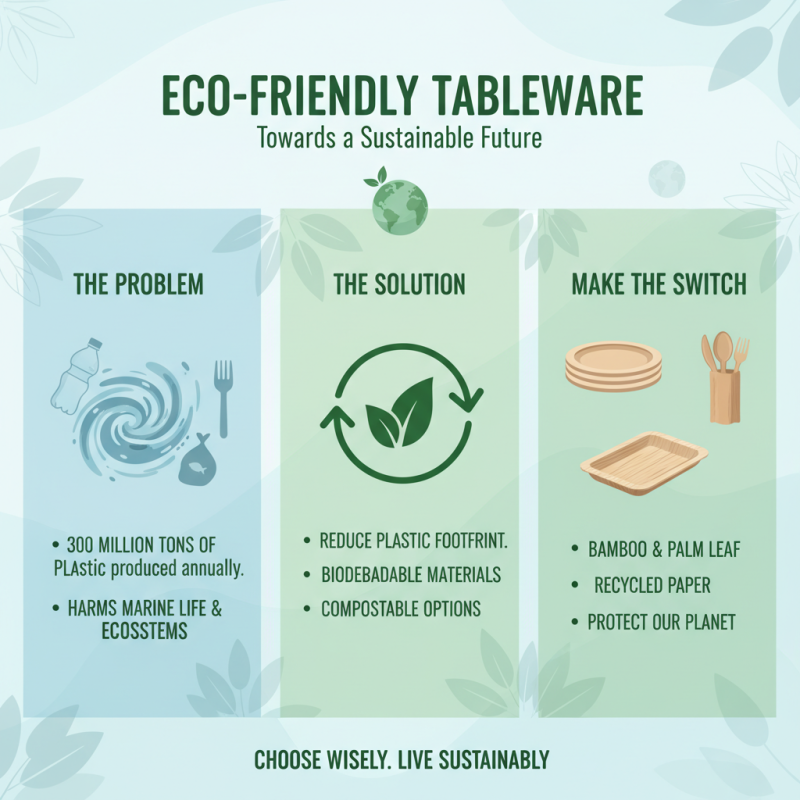
Choosing eco-friendly tableware is an essential step towards sustainable living, given the alarming statistics about plastic waste and its impact on our environment. According to the United Nations, approximately 300 million tons of plastic are produced each year, with a significant percentage ending up in oceans, harming marine life and ecosystems. By opting for biodegradable or compostable materials, such as bamboo, palm leaves, or recycled paper, consumers can significantly reduce their plastic footprint and contribute to a healthier planet.
When selecting eco-friendly tableware, it is vital to consider the lifecycle of the materials used. Research indicates that biodegradable tableware can break down within 90 to 180 days in a composting environment, compared to hundreds of years for conventional plastics. Additionally, many eco-friendly options are made from renewable resources, meaning they don't deplete natural resources like petroleum-based products do.
Tips: Look for certifications such as ASTM D6400 or EN13432 which ensure that the tableware meets industry standards for compostability. Also, consider durability; some eco-friendly tableware options are designed to be sturdy and reusable, reducing the need for single-use products. Lastly, check for local composting facilities that accept these materials, ensuring they can be properly processed after use.
Types of Eco-Friendly Materials for Tableware
When selecting eco-friendly tableware, it's essential to consider the materials used, as they significantly impact the environment. Several types of sustainable materials have emerged in the market, including bamboo, recycled paper, and bioplastics. According to a 2020 report by the Environmental Protection Agency, over 35 million tons of plastic waste was generated in the U.S. alone, highlighting the urgent need for alternatives. Bamboo, a rapidly renewable resource, is an excellent choice due to its durability and biodegradability. It can decompose within a few months in the right conditions, making it a responsible option for those seeking to minimize their ecological footprint.
Recycled paper products are another sustainable option. These items are often made from post-consumer waste, reducing the demand for virgin materials and energy consumption involved in production. In fact, the Recycling Partnership indicates that recycling just one ton of paper can save 3,700 kilowatts of electricity, making it an effective way to conserve energy while serving your table. Bioplastics, made from natural materials like corn starch and sugarcane, are also gaining popularity as they can offer similar functionality to traditional plastics but with a much lower environmental impact.
**Tip:** When choosing eco-friendly tableware, look for certifications such as the Forest Stewardship Council (FSC) label for paper products, which ensures sustainable forestry practices.
Opting for these materials not only contributes to sustainable living but also sparks conversations about the importance of eco-conscious choices in everyday life.
**Tip:** Consider using a mix of materials for your tableware, combining the strengths of different eco-friendly options, whether for casual gatherings or formal settings.
How to Choose Eco-Friendly Tableware for Sustainable Living
| Material Type |
Description |
Eco-Friendly Qualities |
Usability |
| Bamboo |
Lightweight, durable, and quickly renewable. |
Biodegradable, sustainable, and low carbon footprint. |
Suitable for everyday use or special occasions. |
| Biodegradable Plastic |
Made from natural materials that break down more easily. |
Composts within a year, reducing landfill waste. |
Good for picnics and outdoor events. |
| Glass |
A timeless and elegant material for tableware. |
Recyclable and reusable, reducing waste. |
Perfect for formal dining and durable for daily use. |
| Ceramic |
Natural clay that is fired for durability. |
Long-lasting and can be made from recycled materials. |
Versatile for both hot and cold dishes. |
| Palm Leaf |
Made from fallen palm leaves, providing a rustic look. |
Biodegradable and compostable, minimal environmental impact. |
Ideal for parties and outdoor events. |
Tips for Evaluating the Sustainability of Tableware Products
When selecting eco-friendly tableware, it's important to evaluate the sustainability of the products you consider. One key factor to assess is the materials used in the tableware. Look for items made from renewable resources, such as bamboo, glass, or recycled substances. Avoid plastic products that are single-use or made from non-biodegradable materials, as these contribute significantly to environmental pollution.
Another tip is to check for certifications. Many eco-friendly products come with labels that indicate they meet specific environmental standards. Certifications can serve as a trustworthy guide, helping you identify products that adhere to sustainable manufacturing practices. Additionally, consider the durability of the tableware. High-quality, long-lasting items reduce the need for frequent replacements, which ultimately lessens waste over time.
Finally, think about the end-of-life aspect of the tableware. Research how the materials can be disposed of or recycled. Biodegradable tableware is a great option, as it will break down over time without harming the environment. Choosing sustainable tableware not only enhances your dining experience but also contributes positively to the planet.
The Impact of Manufacturing Processes on Environmental Sustainability
The impact of manufacturing processes on environmental sustainability is a crucial consideration when choosing eco-friendly tableware. Traditional manufacturing methods for tableware often involve high energy consumption and the use of non-renewable resources, contributing significantly to greenhouse gas emissions. According to a study by the Circular Economy Institute, the production of plastic tableware results in around 1.5 million tons of carbon emissions annually, primarily due to fossil fuel extraction and processing. In contrast, eco-friendly alternatives made from materials like bamboo, palm leaves, or recycled products not only reduce waste but also lower emissions throughout their lifecycle.
Furthermore, the sustainability of tableware is heavily influenced by the sourcing of materials and manufacturing practices. For instance, the Global Sustainability Report notes that sourcing bamboo from responsibly managed forests can sequester carbon and support biodiversity, as bamboo grows rapidly and requires fewer agricultural inputs. Moreover, processes that prioritize renewable energy in manufacturing can reduce the carbon footprint by up to 60%, demonstrating the potential benefits of adopting sustainable practices. Therefore, when selecting tableware, it is essential to consider both the material origins and the energy sources used in production to ensure a more sustainable lifestyle.
Impact of Manufacturing Processes on Eco-Friendly Tableware
Best Practices for Maintaining and Disposing of Eco-Friendly Tableware
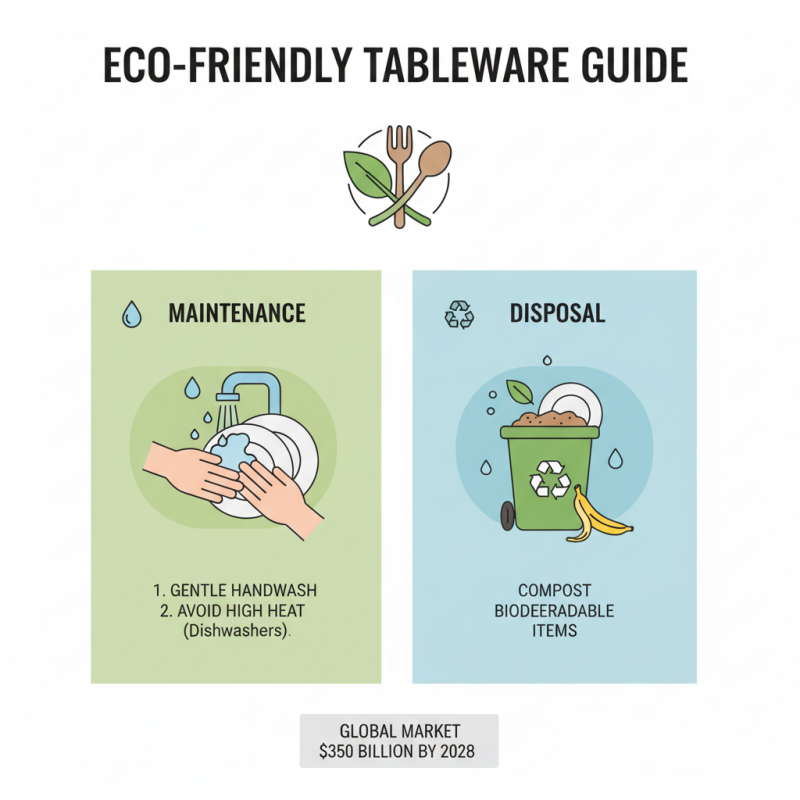
When selecting eco-friendly tableware, it's crucial not only to prioritize sustainable materials but also to adopt best practices for maintaining and disposing of these items. Research indicates that the global market for sustainable tableware is expected to reach $350 billion by 2028, reflecting increasing consumer awareness of environmental issues. To ensure longevity and maintain the integrity of eco-friendly products, users should follow specific care instructions, typically involving gentle cleaning methods to prevent any degradation of biodegradable materials. For example, opting for handwashing over dishwashing can significantly extend the life of bamboo or plant-based tableware, which can otherwise wear out quickly when exposed to high temperatures.
Disposing of eco-friendly tableware is equally important in promoting sustainability. While many products are marketed as biodegradable, the composting conditions must be optimal for breakdown to occur effectively. According to the Biodegradable Products Institute, compostable tableware needs to be processed in industrial composting facilities that provide the right temperature and humidity levels; simply throwing them in a regular trash bin undermines their environmental benefits. Therefore, it’s advisable to research local composting regulations and facilities to ensure proper disposal. Public awareness campaigns highlight that nearly 30% of materials in landfills could be composted, emphasizing the importance of responsible disposal methods. By maintaining eco-friendly tableware properly and disposing of it in environmentally considerate ways, consumers can enhance their contribution to sustainable living.