How to Choose Biodegradable Disposable Tableware for Eco-Friendly Events?
Choosing the right biodegradable disposable tableware is crucial for eco-friendly events. As Richard Green, an expert in sustainable products, states, "Selecting biodegradable options is a step towards reducing our environmental footprint." Events often generate significant waste, so eco-conscious decisions matter.
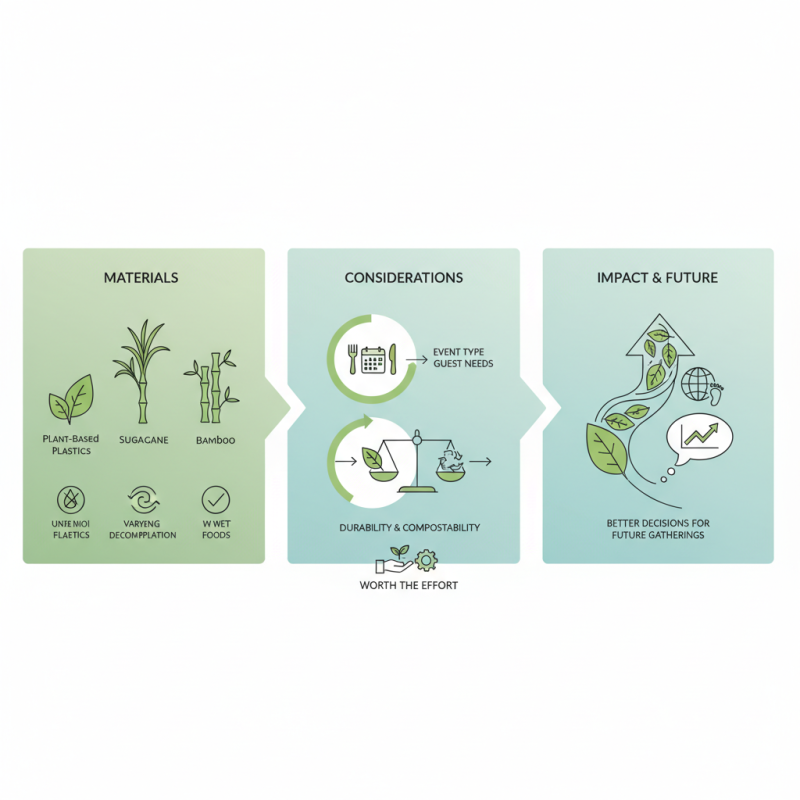
Biodegradable disposable tableware comes in various materials. Choices include plant-based plastics, sugarcane, and bamboo. Each option has unique benefits and limitations. For example, bamboo may not be suitable for wet foods, while some plant-based plastics may not break down as quickly as expected.
Selecting the right tableware involves more than just materials. Consider the event type and the guests' needs. Finding products that balance durability and compostability can be challenging. Reflecting on these choices can lead to better decisions for future gatherings. Eco-friendly doesn’t always mean easy, but it is worth the effort.
Understanding Biodegradable Materials in Disposable Tableware
When planning eco-friendly events, understanding biodegradable materials in disposable tableware is crucial. Biodegradable materials are designed to break down naturally, reducing environmental impact. They can be made from plant-based substances like corn starch, bamboo, or sugarcane. These materials decompose in composting conditions, turning back into soil.
However, not all biodegradable products perform equally. Some may require specific conditions to break down effectively. For instance, while many cups and plates are labeled as biodegradable, they may not decompose in a regular landfill. This can be misleading for event organizers. They need to assess local waste management facilities before purchasing.
It’s important to consider the end-of-life scenario for these products. Many biodegradable tableware items still take time to break down and may generate greenhouse gases. Therefore, strive for constant improvement in sourcing and disposal methods. This way, the choice of tableware at your event can support a greener future, rather than hinder it.
How to Choose Biodegradable Disposable Tableware for Eco-Friendly Events?
| Material Type |
Biodegradable Duration |
Compostability |
Use Case |
Sustainability Score |
| PLA (Polylactic Acid) |
3-6 months |
Yes |
Cold Foods, Events |
8/10 |
| CPLA ( crystalized PLA) |
6-12 months |
Yes |
Hot Foods, Events |
9/10 |
| Bagasse (Sugarcane Fiber) |
30-90 days |
Yes |
Both Cold and Hot Foods |
8/10 |
| Palm Leaf |
2-4 weeks |
Yes |
Events, Parties |
10/10 |
| Wooden Utensils |
1-3 years |
Yes |
Picnics, Catering |
7/10 |
Identifying Eco-Friendly Certifications for Tableware Products
When selecting biodegradable disposable tableware, eco-friendly certifications become crucial. These certifications indicate that products meet environmental standards. Look for labels like ASTM D6400 or EN13432. These mark items that compost effectively in industrial facilities. Certifications help ensure the materials break down into natural components, minimizing landfill waste.
However, not all certified products are created equal. Some may still release toxins during breakdown. It's essential to research the certification bodies. Not every certification is trustworthy. Some brands might use misleading claims to appear greener. Pay attention to the details in the labeling. Transparency about materials and processes is vital.
Consumers often face confusion. The market is flooded with options, making it hard to choose. Reading about composting methods can guide decisions. It’s worth questioning the true impact of each product. Eco-friendly doesn't always mean perfect. It’s a learning process, and awareness is key.
Choosing Eco-Friendly Disposable Tableware: Material Comparison
Evaluating the Environmental Impact of Different Tableware Options
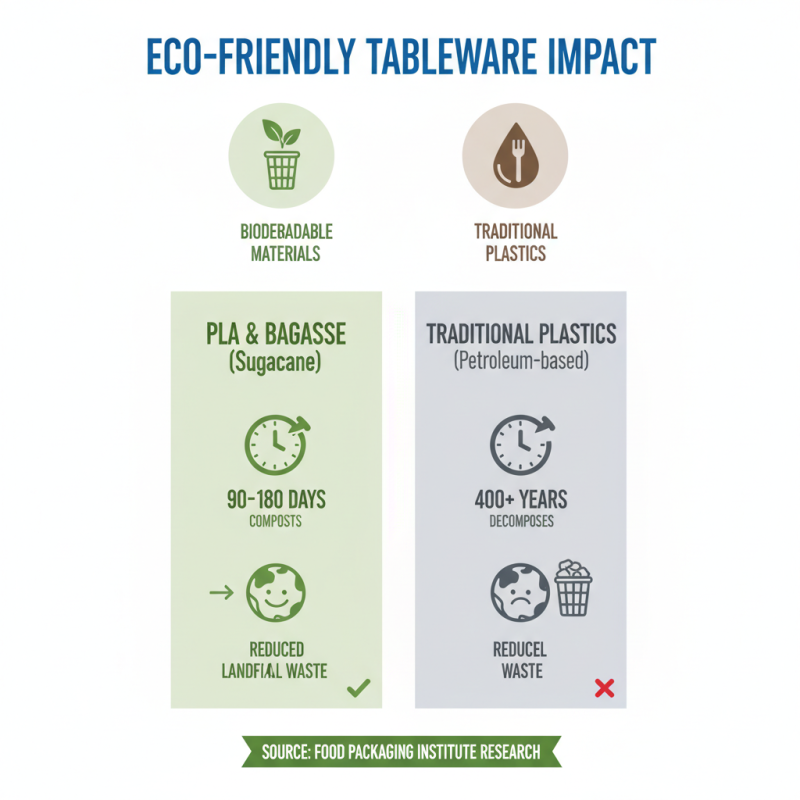
When evaluating the environmental impact of biodegradable disposable tableware, several key factors come into play. Materials like PLA (polylactic acid) and bagasse, derived from sugarcane, gain popularity for eco-friendly events. Research from the Food Packaging Institute indicates that PLA composts within 90 to 180 days, reducing landfill waste significantly. In contrast, traditional plastics can take over 400 years to decompose.
However, the production process of these biodegradable options still raises concerns. Manufacturing PLA requires agricultural land and resources. A study published by the World Wildlife Fund points out that land use for bioplastics can impact food supply and biodiversity. This presents a complex dilemma: making sustainable choices while ensuring ecological balance.
Interestingly, not all biodegradable products are equal. Some may only break down under specific industrial composting conditions. Consumers must question whether local facilities can process these items appropriately. According to a report by EcoFocus, only about 30% of communities have access to such facilities. This creates a gap between intention and impact, prompting event planners to carefully consider their choices.
Choosing the Right Biodegradable Tableware for Your Event Needs
Choosing the right biodegradable tableware for your event can significantly impact its sustainability. Research shows that over 300 million tons of plastic waste are generated annually worldwide. The shift towards biodegradable options is essential for reducing this environmental burden. You’ll find that many biodegradable products break down within 90 to 180 days, compared to decades for plastic.
When selecting tableware, consider materials like PLA, bagasse, or bamboo.
PLA is made from cornstarch and offers a plastic-like feel. Bagasse, a byproduct of sugarcane processing, is sturdy and compostable. Bamboo, fast-growing and renewable, adds a natural touch. Look into certifications. Products labeled as compostable meet specific standards, ensuring they break down effectively in industrial composting facilities.
However, it's vital to reflect on sourcing practices. Not all biodegradable options are created equal. For example, some manufacturers may greenwash their products, leading to misleading claims. Be vigilant and prioritize items from companies committed to genuine sustainability. Ask for data and studies that support their claims. Engaging with reliable suppliers can enhance your event’s eco-friendliness while avoiding pitfalls in your choices.
Budget Considerations When Selecting Eco-Friendly Tableware Options
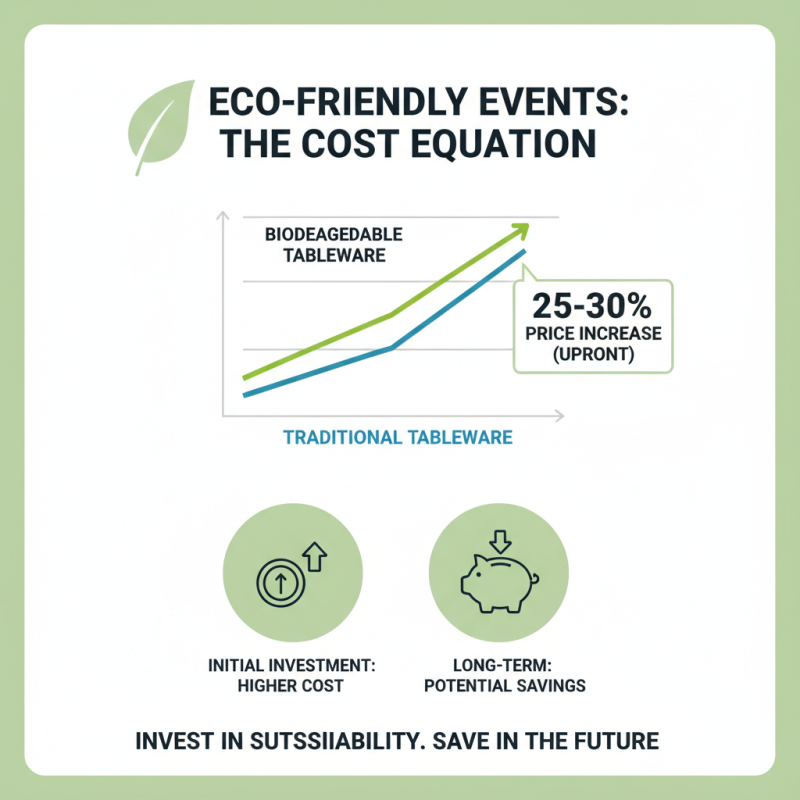
When planning eco-friendly events, budget considerations are crucial. Biodegradable tableware often costs more than traditional options. On average, organizations face a 25-30% price increase. This can deter some from choosing greener alternatives. However, investing in sustainable products can yield long-term savings.
Choosing bulk options can help mitigate costs significantly. A report from the Environmental Protection Agency (EPA) suggests that large purchases can lead to discounts. Consider local suppliers as they often provide competitive rates. Many regions now recycle or compost biodegradable materials, reducing waste disposal fees. Events can shift from high-cost waste management to affordable, eco-friendly practices.
While biodegradable tableware is an excellent option, not all products perform the same. Some materials, like certain plant-based plastics, can break down poorly in landfills. This creates a false sense of security. It's essential to research product certifications. Look for items that break down within 90 days in commercial composting facilities. Balancing eco-friendliness and budget requires careful planning and informed choices.