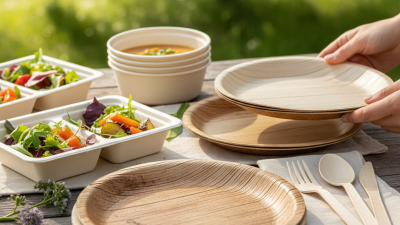
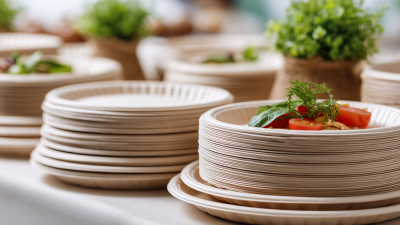
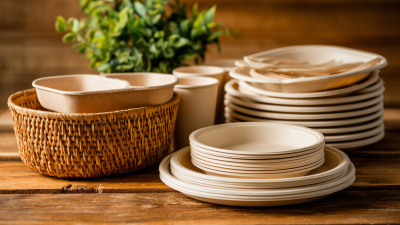
Why Choose Biodegradable Disposable Plates for Your Events?
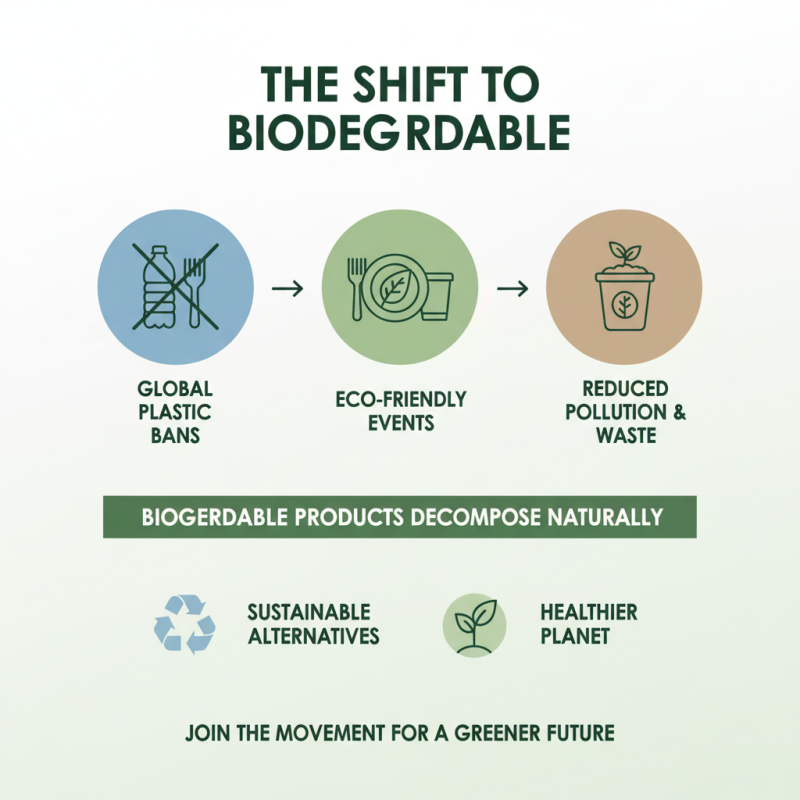
In recent years, the shift towards sustainability has prompted many event planners to reconsider their choices. Biodegradable Disposable Plates have emerged as an eco-friendly alternative to traditional disposable tableware. According to a report by the Green Restaurant Association, the demand for biodegradable products has increased by over 30% annually. This trend reflects a growing awareness of plastic pollution and its impact on the environment.
Experts like Dr. Emily Hartman, an environmental scientist, emphasize the importance of this shift. She states, “Biodegradable Disposable Plates reduce waste and promote a circular economy.” These plates decompose naturally, minimizing landfill contributions. They are made from renewable materials, which helps lower carbon footprints. Choosing biodegradable options is not just responsible; it sets a positive example.
However, the transition isn't without challenges. Some biodegradable products may not break down as expected in certain conditions. Event planners must educate themselves about proper disposal methods. This ensures the intended benefits of using Biodegradable Disposable Plates are fully realized. Sustainability is a journey, and every step counts, even when the path is complicated.
Benefits of Using Biodegradable Plates Over Traditional Plastic Options
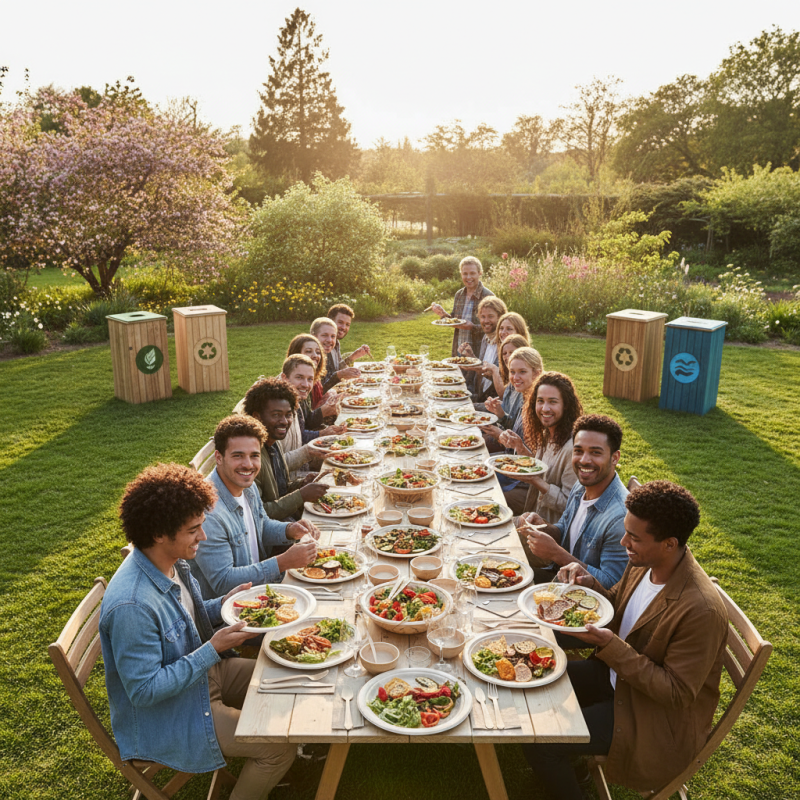
Biodegradable disposable plates are gaining popularity at events. They offer significant advantages over traditional plastic options. According to the Environmental Protection Agency, approximately 30 million tons of plastic waste ends up in landfills annually. This has severe ecological consequences. Biodegradable plates can break down in a compost environment within 90 to 180 days, unlike plastic that lasts centuries.
Choosing biodegradable plates can reduce your event's carbon footprint. A study by the Biodegradable Products Institute found that switching from plastic to biodegradable materials can lower greenhouse gas emissions by 68%. Events that use these plates often notice a positive shift in attendee perceptions. People appreciate eco-friendly choices. It's crucial to ensure the plates are certified compostable to maximize environmental benefits.
Yet, sourcing biodegradable products can present challenges. Not all options are created equal. Some may not break down effectively in natural settings. It's essential to research suppliers and materials. Relying on effective labeling and certification can help avoid greenwashing. Awareness of these factors is key to making responsible choices for any occasion.
Why Choose Biodegradable Disposable Plates for Your Events?
| Feature |
Biodegradable Plates |
Traditional Plastic Plates |
| Material |
Plant-based materials |
Petroleum-based plastics |
| Environmental Impact |
Decomposes naturally |
Contributes to landfill waste |
| Composting |
Suitable for composting |
Not compostable |
| Aesthetic Appeal |
Natural look |
Plastic, less appealing |
| Health Safety |
Free from harmful chemicals |
May leach harmful substances |
| Cost |
Higher initial cost |
Lower initial cost |
Environmental Impact of Disposable Plates: Statistics and Studies
The environmental impact of disposable plates is significant. Studies show that millions of tons of plastic waste end up in landfills each year. Traditional disposable plates contribute to this problem. They take hundreds of years to decompose. This delay leads to severe ecological consequences. Toxic chemicals leach into the soil and waterways. Wildlife suffers as they ingest plastic debris or become entangled in it.
On the other hand, biodegradable disposable plates offer a better alternative. They are made from natural materials like sugarcane or palm leaves. These plates break down in composting facilities in a matter of months. Yet, not all biodegradable products perform equally well. Some may still require specific conditions to decompose. Awareness is key. We need to understand that simply choosing biodegradable options isn’t enough. Proper disposal methods are essential to maximize their benefits.
Awareness of these statistics and studies is crucial for event planners. Making informed choices can help reduce waste. Reducing plastic use should be a priority, but it takes effort. Organizing waste management at events often lacks attention. There's a clear need for education and action regarding sustainable practices. Our choices today shape the world of tomorrow.
Environmental Impact of Disposable Plates
Cost Analysis: Biodegradable Plates vs. Conventional Disposable Dinnerware
When planning events, choosing the right dinnerware matters. Biodegradable plates have gained attention as a sustainable option. Analyzing the cost is essential. While these eco-friendly plates may have a higher upfront expense, the long-term benefits often outweigh this initial investment.
Biodegradable plates typically cost between 10% to 30% more than conventional options. However, consider waste disposal fees. Traditional plastics require proper disposal, often leading to higher landfill costs. In contrast, biodegradable plates break down naturally, reducing waste management expenses. This fact is often overlooked in budget planning.
Tips: Consider bulk purchasing for better deals on biodegradable plates. Also, remember to factor in local disposal regulations that may influence costs. Planning your budget can become complicated. Keep track of these elements to ensure all expenses are accounted for. Sustainability is admirable, yet a balance between eco-friendliness and budget is necessary.
Consumer Trends: Growing Demand for Eco-Friendly Event Supplies
The demand for eco-friendly event supplies is rising. More consumers are concerned about environmental impact. This shift is not just a trend; it reflects a deeper change in values. Many people prefer biodegradable disposable plates over traditional plastic ones. They appreciate the idea of reducing waste and protecting the planet.
When planning an event, consider using biodegradable options. They decompose naturally, returning nutrients to the soil. This choice resonates well with eco-conscious guests. It even encourages conversations about sustainability.
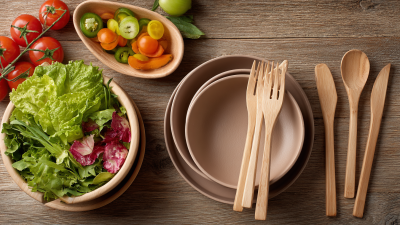
Tips: Choose plates made from materials like sugarcane or bamboo. These options are sturdy and stylish. Always check local disposal guidelines. Not all biodegradable products break down in landfills. Understand your event's waste management system to avoid surprises.
Small details can make a big impact. Encourage guests to recycle what they can. Provide clear instructions and signage. It may not be perfect, but every step counts. Emphasizing eco-friendly choices can transform an event into a responsible celebration.