How to Choose the Best Biodegradable Small Plates for Your Eco-Friendly Events
As we strive for more eco-friendly events, choosing the right materials is crucial. Biodegradable small plates have become increasingly popular. According to Dr. Emily Green, an expert in sustainable materials, “Selecting biodegradable small plates can significantly reduce our environmental footprint.” This simple choice reflects our commitment to the planet.
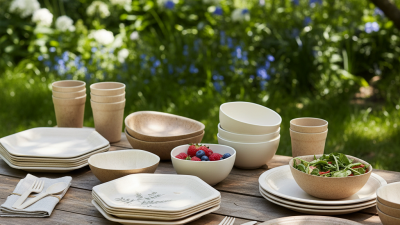
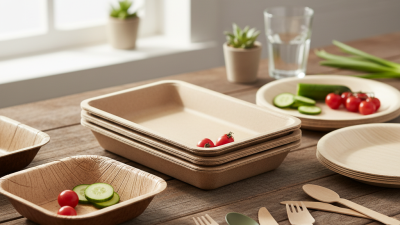
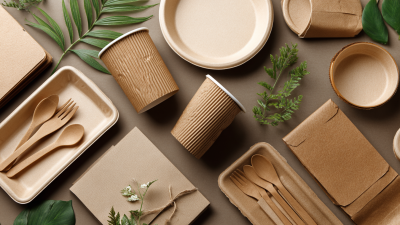
These plates come in various materials, including sugarcane and palm leaves. They offer a functional yet sustainable option for serving food. However, not all biodegradable plates are created equal. Some may not break down as expected, leaving traces in landfills. It's important to consider their compostability, weight-bearing capacity, and durability.
While biodegradable small plates are a step in the right direction, we must also reflect on our consumption habits. Are we using more plates than necessary? Balancing convenience with environmental responsibility is key. Choosing the best options will help us create lasting, positive change for future gatherings.
Understanding Biodegradable Materials for Small Plates
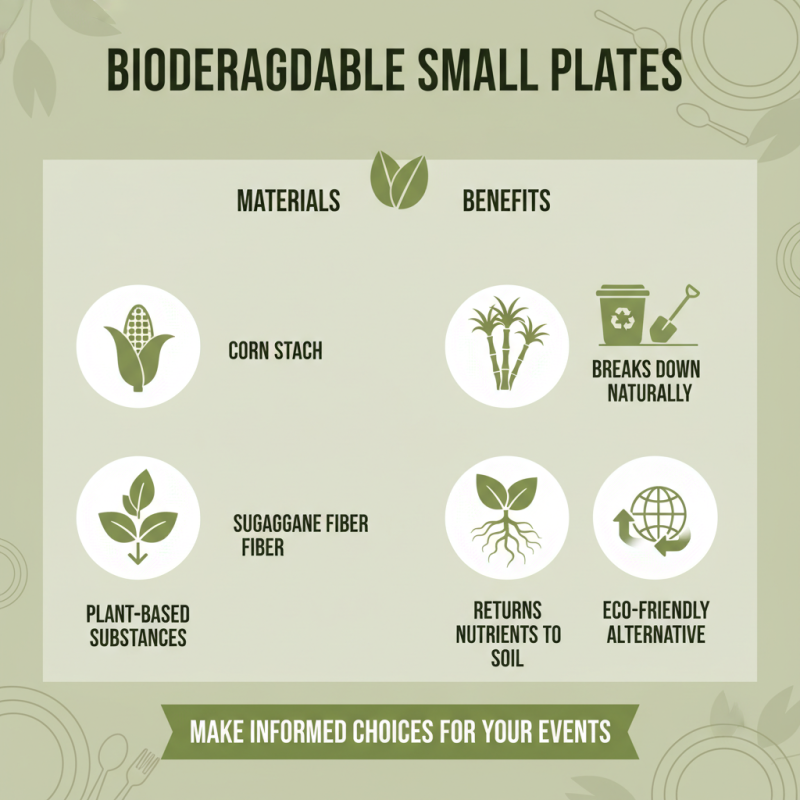
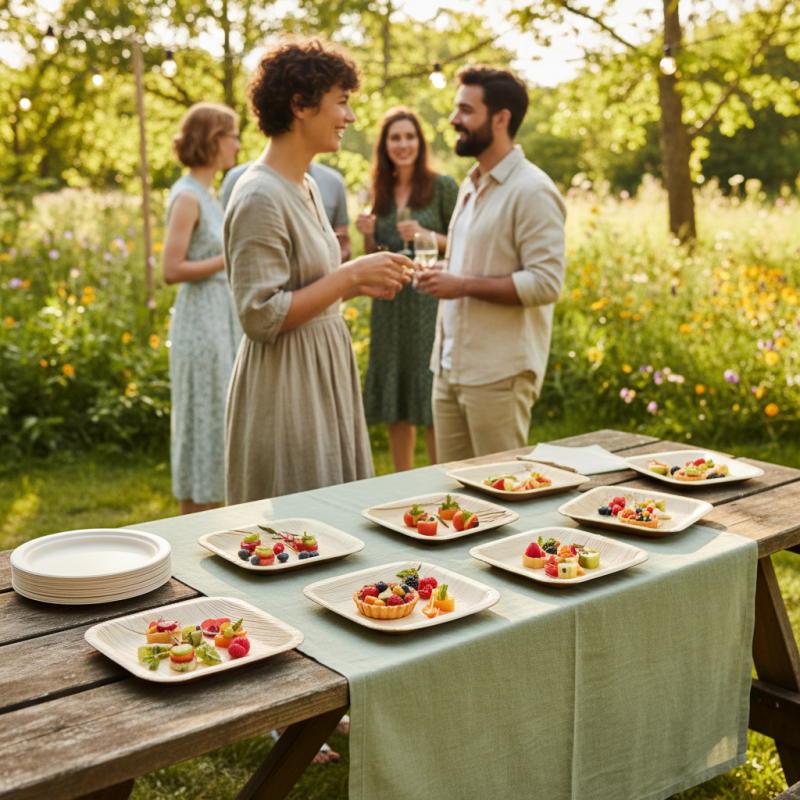
Choosing the right biodegradable small plates for your events is essential. Understanding the materials behind these plates can help you make informed choices. Biodegradable materials include plant-based substances like corn starch or sugarcane fiber. These components break down more naturally than traditional plastics. They can return nutrients to the soil, making them a better alternative.
When selecting biodegradable plates, look for certifications. Not all products labeled as biodegradable are equal. Dig deeper into details. Some may take too long to decompose. Knowing the source of the materials can guide you in making eco-conscious decisions.
Tip: Always opt for compostable plates. They can be processed in municipal and home composting systems. A small step often ignored is choosing the right size. Consider the food you will serve. This can prevent waste and reduce environmental impact. Make thoughtful choices to enhance your eco-friendly events.
Assessing the Environmental Impact of Disposable Plates
When planning eco-friendly events, the choice of disposable plates can significantly affect the environment. Traditional plastic plates contribute to landfill waste and ocean pollution. In contrast, biodegradable small plates break down naturally, reducing their ecological footprint. Materials such as sugarcane or bamboo are common. These options provide a more sustainable solution for your gatherings.
Tips: Always check for certification. Look for plates that display compostable labels. It ensures they meet environmental standards. Remember, not all biodegradable products are equal. Some may require specific conditions for breakdown.
The impact of disposable plates extends beyond their material. Their production also consumes energy and resources. Evaluating the life cycle of these items can be eye-opening. Are we just shifting the waste burden? Understanding this can help you make better choices. Small steps can lead to grand changes. It's essential to continue questioning our consumption patterns.
Key Features to Look for in Eco-Friendly Small Plates
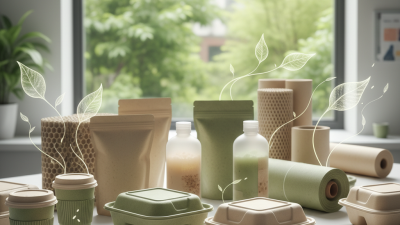
When choosing the best biodegradable small plates for eco-friendly events, certain features are essential. Look for materials that break down naturally. Options like sugarcane, bamboo, or palm leaves are popular. These materials not only decompose but also reduce waste. Be mindful of the plate's thickness. A sturdier plate can hold food without getting soggy, enhancing the dining experience.
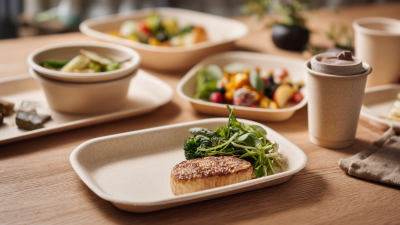
Pay attention to the size and shape of the plates. Smaller plates are perfect for appetizers and desserts. However, some may find them inconvenient for larger servings. Think about how guests will use them. Will they be serving buffet style or plated meals? Sometimes the design complicates usability.
Consider certifications or labels. Not all biodegradable products are created equal. Some may still take years to decompose. Researching these claims helps ensure you make the right choice. Reflect on how your selection impacts the environment. Each plate contributes to a larger goal of sustainability. Choosing wisely supports not just your event but also the planet.
Comparison of Eco-Friendly Small Plates Features
Comparing Different Types of Biodegradable Small Plates
When planning eco-friendly events, choosing the right small plates is crucial. There are several types of biodegradable small plates to consider. One popular option is those made from sugarcane. According to a 2023 industry report, these plates are compostable and can break down within 90 days. They are sturdy and suitable for both hot and cold foods.
Another alternative is plates made from palm leaves. These natural products are created from fallen leaves, which means no trees are harmed. A study showed that palm leaf plates decompose within 60 days in a composting environment. However, they might lack the firmness needed for heavier foods, which can be a drawback.
Additionally, there are plates made from bioplastics. While they offer a similar look to traditional plastic, their sourcing materials play a significant role. Research indicates that not all bioplastics break down as quickly as advertised. Consumers often find this confusing. The choice of material can drastically affect the event's eco-friendliness. It's essential to weigh the pros and cons. Pragmatic decisions lead to successful, sustainable gatherings.
Tips for Sourcing and Purchasing Biodegradable Plates for Events
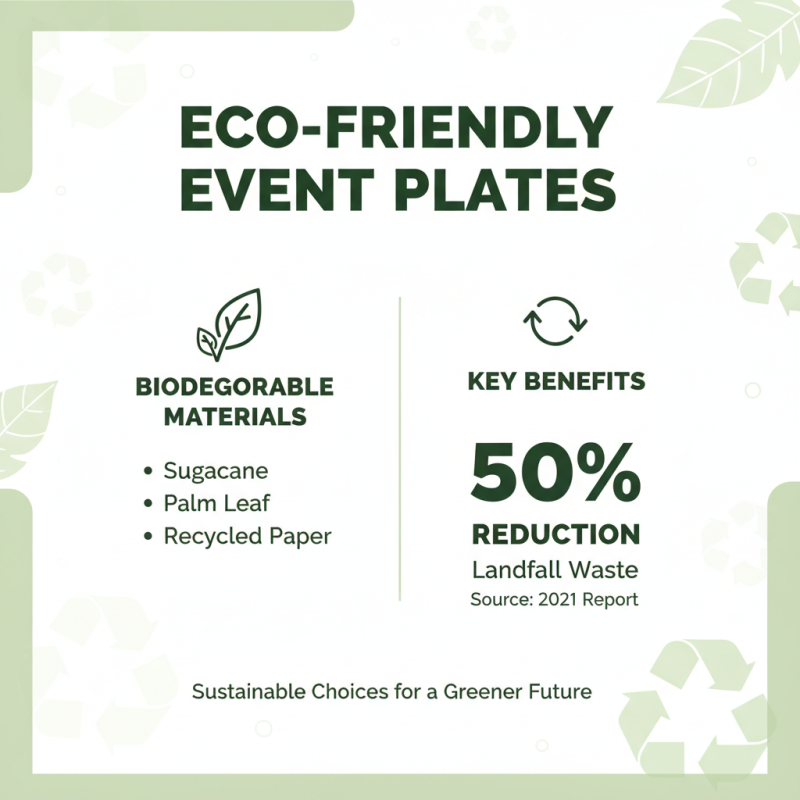
When sourcing biodegradable small plates for eco-friendly events, consider several crucial factors. Look for plates made from materials like sugarcane, palm leaf, or recycled paper. A 2021 report indicated that biodegradable products could reduce landfill waste by up to 50%. This is significant for event planners focused on sustainability.
Pay attention to certifications. Plates with compostable certifications ensure a lower environmental impact. However, not all biodegradable options break down effectively in landfills. A study showed that about 30% of biodegradable plates still contribute to pollution if not disposed of properly. This highlights the need for proper waste management practices at events.
Lastly, think about the aesthetics that align with your event’s theme. Many biodegradable plates come in various designs and colors. They can enhance the dining experience while supporting environmental goals. However, balancing functionality and sustainability can be challenging. Some biodegradable plates may not handle hot foods well, leading to leaks or breakage. Finding the right product requires careful consideration.