China Best Biodegradable Disposable Plates What to Know?
As environmental concerns rise, the demand for Biodegradable Disposable Plates is gaining momentum. According to the 2023 Global Green Packaging report, the market for biodegradable products is projected to reach $450 billion by 2025. This statistic highlights a shift in consumer preferences toward sustainable options in food service.
Industry expert Dr. Jane Holloway, a leading figure in biodegradable materials research, emphasizes, "The future of disposable tableware lies in sustainable innovation." Her insight reflects the urgency for businesses to adapt to eco-friendly practices. Yet, the industry faces challenges. Not all biodegradable materials break down efficiently in landfills, presenting a need for better standards and practices.
The awareness around Biodegradable Disposable Plates remains uneven. Some consumers are still unsure about their environmental impact. Clear information is vital, as is the need for brands to demonstrate accountability. As the market grows, so does the responsibility to educate and improve upon existing products.
China's Leading Biodegradable Disposable Plates: An Overview
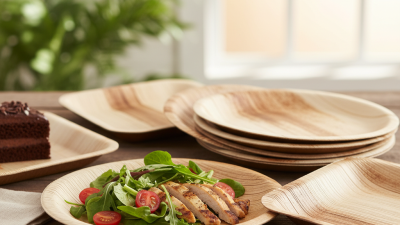
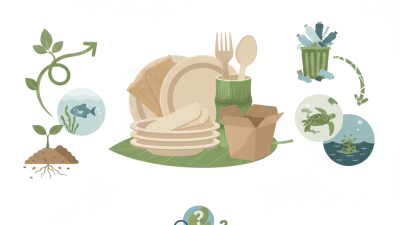
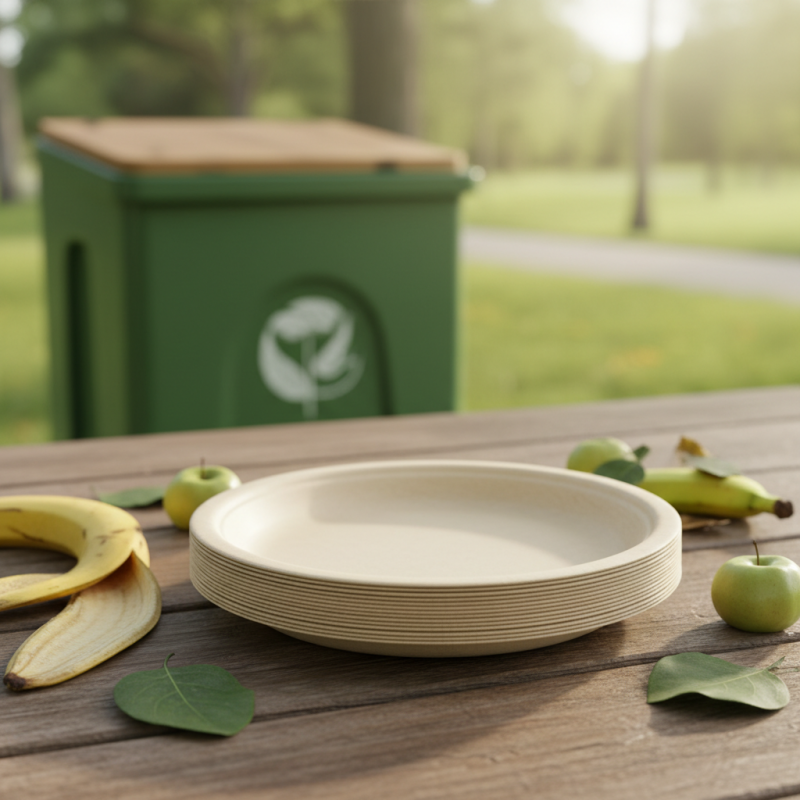
Biodegradable disposable plates offer a green alternative to traditional plastic options. In recent years, China has become a leading manufacturer of these eco-friendly products. Made from materials like sugarcane and bamboo, these plates are designed to decompose naturally. They have gained popularity due to rising environmental concerns. Many people prefer them for both home use and events.
Despite their benefits, there are some challenges. Not all biodegradable plates break down effectively in every environment. Composting facilities are needed for optimal decomposition. In areas without such facilities, these plates may still cause waste issues. Additionally, price can be a factor. Sometimes, these eco-friendly options cost more than standard plastic plates.
China's market is constantly evolving. New technologies and methods are being developed to improve the quality of biodegradable materials. Education on proper disposal and composting is still needed. Awareness is growing, but misconceptions remain. Consumers must be informed about the eco-impact of their choices.
China Best Biodegradable Disposable Plates What to Know?
| Material |
Size (inches) |
Weight (grams) |
Compostable |
Price (USD) |
| PLA (Polylactic Acid) |
9 |
25 |
Yes |
0.30 |
| Bagasse |
10 |
30 |
Yes |
0.45 |
| Palm Leaf |
7 |
20 |
Yes |
0.50 |
| Sugarcane |
8 |
27 |
Yes |
0.35 |
| Wood Fiber |
6 |
22 |
Yes |
0.40 |
Materials Used in Biodegradable Plates: What You Should Know
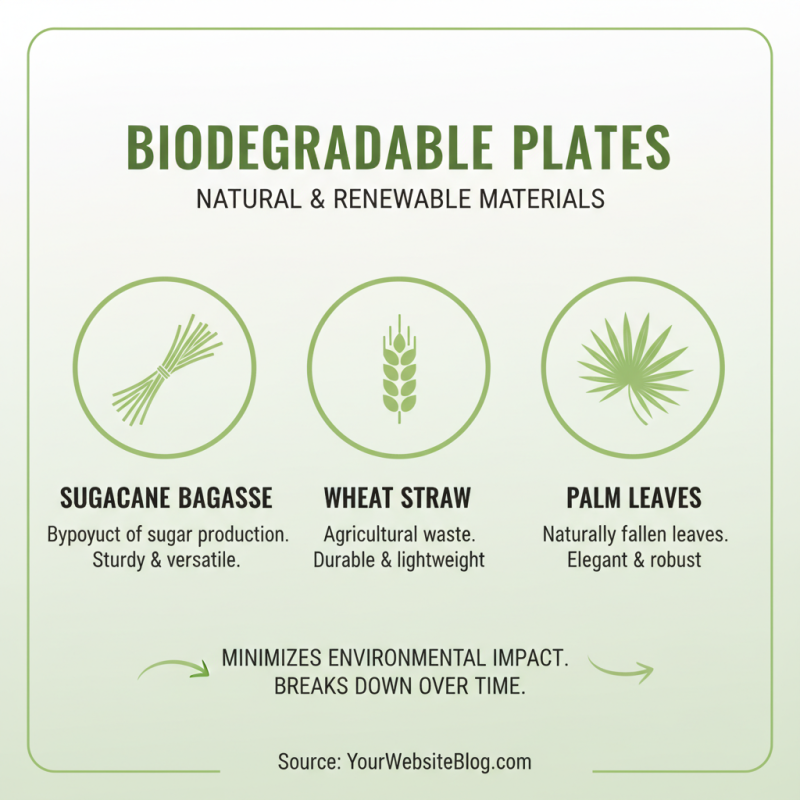
When it comes to biodegradable disposable plates, the materials used play a crucial role. Many options are derived from natural and renewable sources. Commonly used materials include sugarcane bagasse, wheat straw, and palm leaves. These materials break down over time and minimize environmental impact. Sugarcane bagasse, for example, is a byproduct of sugar production. It's sturdy and can hold various types of food, making it a practical choice for many occasions.
Another interesting option is wheat straw. This material comes from the stems of wheat plants. It is lightweight yet durable. The production process is relatively low-energy, which is a plus. Palm leaves provide an elegant aesthetic. They are strong and can be formed into various shapes. However, sourcing palm leaves raises some questions about sustainability. These choices reflect a broader movement toward eco-friendly products; however, the supply chain often lacks transparency.
Ultimately, understanding the materials in biodegradable plates helps consumers make informed choices. They should consider the entire lifecycle of the product. Sometimes, the allure of "biodegradable" can be misleading. Not all biodegradable options decompose equally in different environments. Thus, being an eco-conscious consumer can be more complex than it appears.
Environmental Benefits of Using Biodegradable Disposable Plates
Biodegradable disposable plates are gaining traction as people seek eco-friendly alternatives. These plates break down over time, minimizing landfill waste. According to a report by the Ellen MacArthur Foundation, plastic waste could reach 1.3 billion tons by 2040 if current trends continue. This alarming figure drives the demand for biodegradable options.
The environmental benefits are significant. Biodegradable plates can compost in a matter of months, unlike traditional plastics that can linger for centuries. They are often made from materials like cornstarch or bamboo, which offer renewable sources. A study from the Biodegradable Products Institute states that using biodegradable plates can reduce greenhouse gas emissions by up to 80% compared to conventional plastic plates. However, not all biodegradable products are created equal.
There are challenges too. Consumers must understand how to dispose of these plates properly for them to be effective. If biodegradable plates end up in regular trash, they may not break down as intended. Awareness is key. Many users still mix waste streams, causing contamination. Continuous education on composting is vital. The shift towards biodegradable options is promising, yet it requires collective effort and responsibility.
Top Brands and Manufacturers of Biodegradable Plates in China
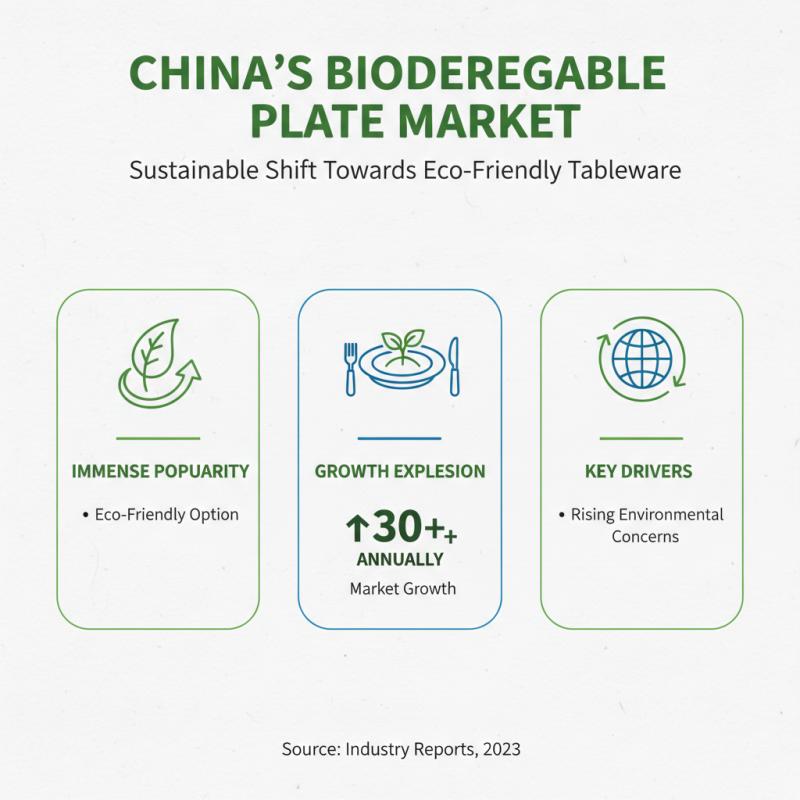
In recent years, biodegradable disposable plates have gained immense popularity in China. Many consumers are attracted to these eco-friendly options due to increasing environmental concerns. Reports suggest that the biodegradable tableware market in China is expected to grow by over 30% annually. This growth reflects a significant shift towards sustainable practices.
Several top manufacturers are leading the charge in this market. They use materials such as cornstarch and sugarcane bagasse. These materials break down naturally, minimizing waste. However, not all products are created equal. Some plates may take longer to decompose than advertised. This can lead to skepticism among consumers.
Quality can vary significantly among brands. Some plates are sturdier, while others may bend or break easily. Potential buyers should consider these factors when selecting products. Understanding the certifications and testing results of these biodegradable plates can help ensure a reliable choice. Sustainability is a journey, and there is still room for improvement in product transparency.
How to Properly Dispose of Biodegradable Disposable Plates
Biodegradable disposable plates are gaining popularity for their eco-friendly benefits. However, proper disposal is crucial. According to a study by the Biodegradable Products Institute, these products can break down in specific conditions. Without proper disposal, they may not decompose effectively.
Many people incorrectly assume these plates can be tossed in regular trash. They need industrial composting facilities to break down efficiently. Industry reports show that only 15% of cities in the U.S. have access to such facilities. This leads to frustration among eco-conscious consumers.
Additionally, placing biodegradable plates in landfills can be counterproductive. In anaerobic landfill conditions, they may produce methane, a potent greenhouse gas. Every disposal choice matters. As awareness increases, it’s essential to educate on correct composting practices. Understanding proper disposal methods can enhance sustainability efforts. Without this knowledge, consumers can hinder the goal of reducing waste effectively.