Why Choose Biodegradable Disposable Plates for a Sustainable Future?
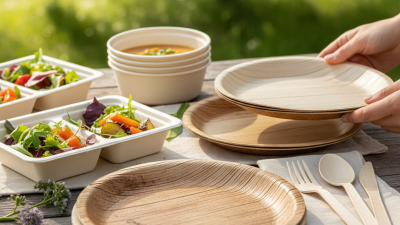
In today's world, the urgency for sustainable alternatives is clearer than ever. According to Dr. Emma Green, a leading expert in sustainable materials, "Biodegradable Disposable Plates are a crucial step toward a cleaner planet." These plates offer a solution to the environmental crisis caused by traditional plastics. They break down naturally, reducing waste in landfills.
Many consumers overlook the benefits of Biodegradable Disposable Plates. They often assume that all disposable products harm the environment. However, these plates can decompose within months, making them a better choice for gatherings and events. Using them can lessen our environmental footprint.
Yet, there are challenges. Some people remain skeptical about their effectiveness. Not all biodegradable options are of the same quality. Awareness and education are vital. Embracing Biodegradable Disposable Plates is essential, but it requires commitment and understanding from consumers. We must reflect on our choices for a sustainable future.
Benefits of Biodegradable Plates Over Traditional Plastic Alternatives
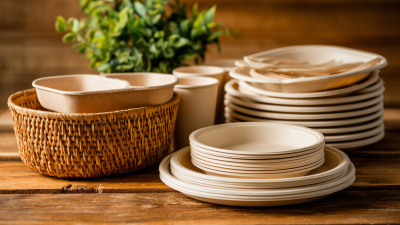
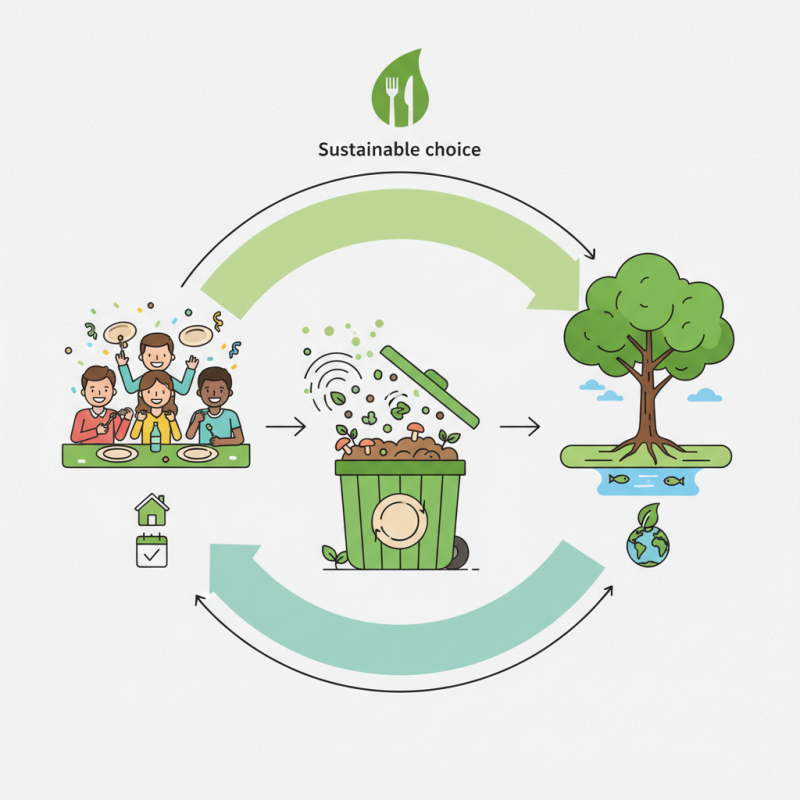
Biodegradable disposable plates present several advantages over traditional plastic alternatives. They decompose naturally over time, reducing waste in landfills. Unlike plastic, which can take hundreds of years to break down, these plates can return to the earth in just a few months. This speedy decomposition lessens the environmental impact significantly.
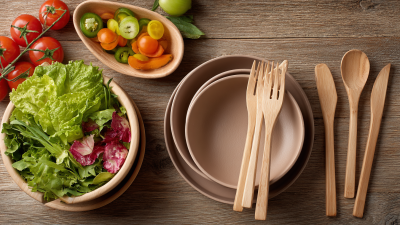
Additionally, biodegradable plates are often made from renewable materials, such as plant fibers. This can lead to less reliance on fossil fuels. They are also safer for wildlife. Animals may ingest plastic, leading to injury or death. Biodegradable options, however, do not pose the same risk. Yet, some worry about their performance. Will they hold up during a hot meal? That concern needs addressing.
Choosing biodegradable plates encourages a shift towards sustainability. They help create awareness about our waste and consumption. However, they may not be the perfect solution. There’s still much to learn about their production and disposal processes. Pushing for better choices is essential in this ongoing journey.
Environmental Impact: Reducing Plastic Pollution in Landfills and Oceans
Using biodegradable disposable plates can have a profound impact on our environment. Traditional plastic plates contribute significantly to pollution in landfills and oceans. These plastic products can take hundreds of years to decompose. In contrast, biodegradable plates break down more quickly and do not release harmful chemicals. They return nutrients to the earth, benefiting soil health.
Plastic pollution affects marine life tremendously. Sea creatures often mistake plastic for food. This leads to injuries and even death. Biodegradable options help prevent this tragic loss of wildlife. We must ask ourselves: are we doing enough? Individual choices matter. Choosing biodegradable plates is a simple yet effective way to participate in a broader solution.
The transition to biodegradable materials is not without challenges. Some people might find them more expensive. There can also be confusion about disposal methods. However, embracing this change can make a lasting difference. We may need to encourage more people to adopt sustainable practices. Small steps can lead to significant change over time.
Economic Viability: Cost-Effectiveness of Biodegradable Solutions
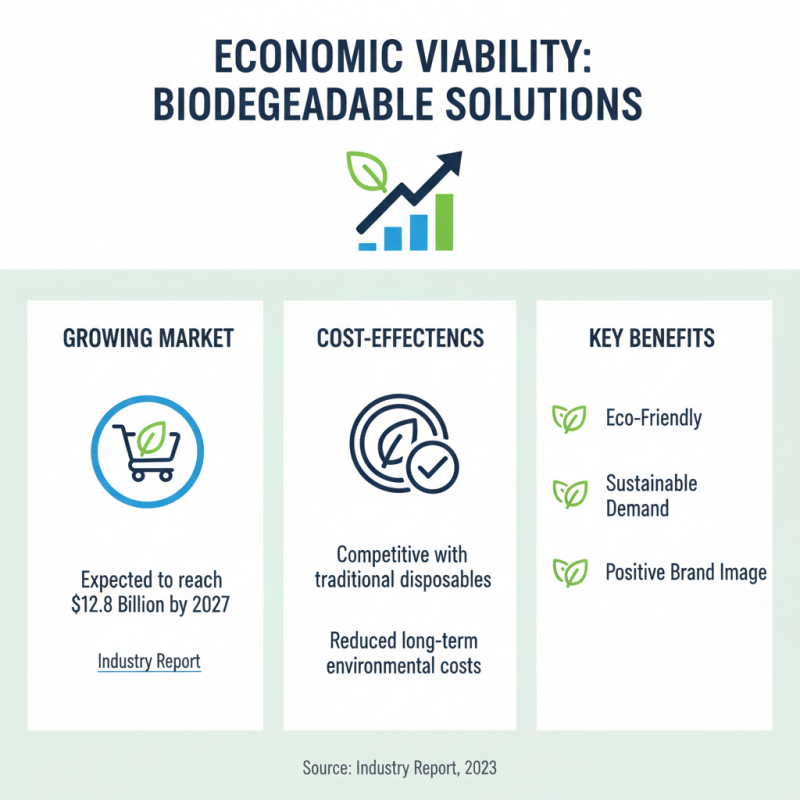
Biodegradable disposable plates are gaining traction in various sectors. They are not only eco-friendly but also economically viable. According to a recent industry report, the market for biodegradable products is expected to reach $12.8 billion by 2027. This growth highlights the increasing demand for sustainable solutions in the food service industry.
When comparing costs, biodegradable plates may seem pricier upfront. However, they offer cost-effectiveness in the long run. For instance, businesses can save on waste disposal fees due to reduced waste volume. A study found that switching to biodegradable materials can lower waste management costs by 20%. This economic incentive is crucial for restaurants and catering companies looking to minimize their overall expenditures.
Consumer behavior also plays a role in this shift. Surveys show that over 70% of consumers prefer businesses that use sustainable products. This preference can lead to increased customer loyalty and potentially higher sales. However, companies must carefully evaluate their operations. Not all biodegradable options perform equally. Some materials may not compost as advertised. Sustainability can be complex, requiring informed choices.
Consumer Trends: Growing Demand for Eco-Friendly Disposable Products
The demand for eco-friendly disposable products is skyrocketing. A recent market research report revealed that the global biodegradable disposable plates market is expected to grow significantly, with a CAGR of over 5% through 2027. This surge is fueled by a rising awareness of environmental issues. Consumers are more informed and willing to opt for sustainable options when dining, hosting parties, or attending events.
Many consumers now expect brands to incorporate sustainability into their offerings. Over 75% of individuals claim they would pay more for products made from biodegradable materials. This shift highlights a significant consumer trend. People are looking for more than just functionality; they desire to contribute positively to the environment with their choices.
Tips: Consider hosting gatherings with biodegradable products. This not only reduces waste but also sparks conversations about sustainability. Incorporating eco-friendly practices can impress guests and make them think about their choices. Share your commitment to the environment and encourage others to choose biodegradable options too.
Consumer Trends in Eco-Friendly Disposable Products
This chart illustrates the growing consumer preference for biodegradable plates compared to traditional options like plastic, paper, and foam plates. The data reflects a significant shift towards eco-friendly disposable products in recent years, indicating a demand for sustainable alternatives in the market.
Health and Safety: Non-Toxic Materials in Biodegradable Plate Manufacturing
Choosing biodegradable disposable plates leads to a safer, more sustainable environment. These plates are made from non-toxic materials. A report by the Environmental Protection Agency reveals that traditional plastics can take centuries to decompose. In contrast, biodegradable plates typically decompose within months, reducing landfill waste significantly.
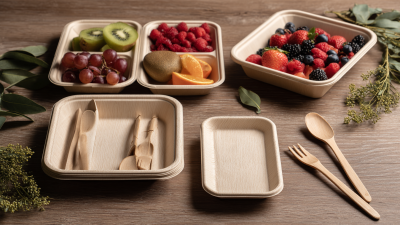
Non-toxic materials used in the manufacturing process are crucial. Many companies focus on natural substances like sugarcane and cornstarch. These materials ensure that the plates do not leach harmful chemicals into food. Studies show that over 90% of consumers are concerned about food safety. Opting for biodegradable options can alleviate these worries while promoting eco-friendly practices.
However, questions remain about the durability of these plates. Some users report that they can be less sturdy than plastic versions. The challenge lies in finding the right balance between eco-friendliness and functionality. Continuous research and development are essential to improve these products. More robust biodegradable options could still maintain a minimal environmental footprint.
Why Choose Biodegradable Disposable Plates for a Sustainable Future? - Health and Safety: Non-Toxic Materials in Biodegradable Plate Manufacturing
| Material Type |
Biodegradation Time |
Toxicity Level |
Compostability |
Temperature Tolerance |
| PLA (Polylactic Acid) |
60-90 days |
Non-Toxic |
Yes |
Up to 120°F |
| Bagasse (Sugarcane Pulp) |
30-60 days |
Non-Toxic |
Yes |
Up to 200°F |
| Palm Leaf |
60-90 days |
Non-Toxic |
Yes |
Up to 220°F |
| Bamboo |
30-60 days |
Non-Toxic |
Yes |
Up to 200°F |