Why Choose Biodegradable Disposable Plates for Your Events?
Choosing the right materials for your events can significantly impact both the experience and the environment. Biodegradable disposable plates offer an eco-friendly alternative to traditional plastic options. These plates decompose naturally, reducing waste and pollution. Using them reflects a growing awareness of sustainability among event planners.
An effective event is more than just great food and entertainment. It is also about making responsible choices. Guests appreciate environmentally friendly options. By opting for biodegradable disposable plates, you demonstrate commitment to protecting the planet. This choice enhances your event’s reputation and resonates with eco-conscious attendees.
However, it’s crucial to consider quality and performance. Not all biodegradable plates are created equal. Some may not hold up well under hot or heavy foods. Testing different brands before your event can save you from unplanned mishaps. Balancing aesthetics, functionality, and sustainability is essential for a successful gathering.
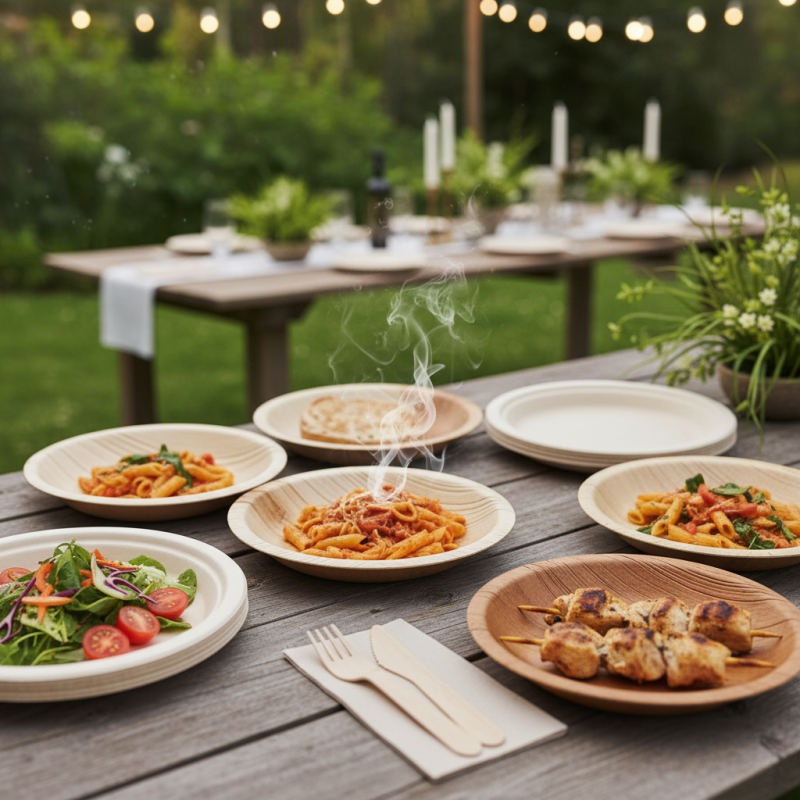
Benefits of Using Biodegradable Plates Over Traditional Options
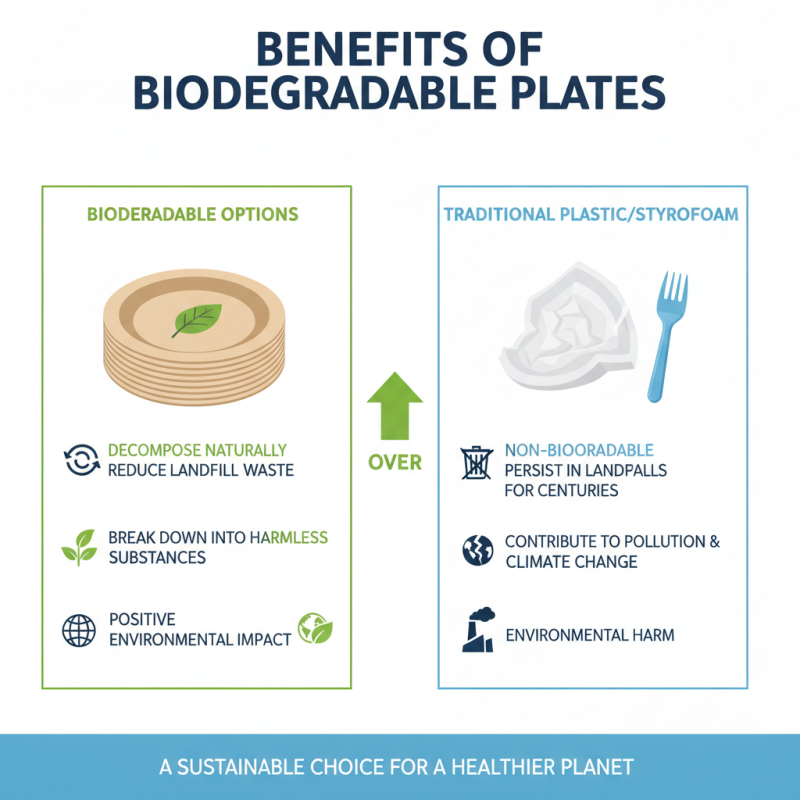
Biodegradable disposable plates offer several advantages compared to traditional plastic or Styrofoam options. First, they decompose naturally, reducing landfill waste. When discarded, they break down into harmless substances, contributing positively to the environment. This characteristic is critical as the world grapples with pollution and climate change.
Moreover, biodegradable plates often come from renewable resources, such as plant materials. This choice supports sustainable practices, appealing to environmentally conscious consumers. Many events today prioritize ecological responsibility. Choosing these plates demonstrates a commitment to reducing the carbon footprint. However, not all biodegradable options are created equally. Some may not decompose effectively in landfills, posing challenges that need addressing.
Another point to consider is the quality of biodegradable plates. While some products mimic plastic's sturdiness, others may falter under heavy food items. This inconsistency can lead to unexpected messes at events. It’s essential to select reliable suppliers who prioritize quality and sustainability. Ultimately, addressing these challenges can enhance our collective impact on the planet.
Environmental Impact of Biodegradable Plates at Events
Using biodegradable disposable plates for events can significantly reduce environmental harm. Traditional plastic plates often end up in landfills, taking hundreds of years to decompose. In contrast, biodegradable plates break down more quickly. They are typically made from plant-based materials that return to the earth without leaving toxic residues.
The impact of choosing biodegradable options extends beyond waste reduction. When these plates decompose, they enrich the soil. This can enhance local ecosystems and promote healthier plant growth. Events hosted in nature-friendly settings can benefit from this approach. However, not all biodegradable products perform equally. It's essential to understand how each type breaks down in various environments.
Many people consider convenience over sustainability. Yet, every small change can make a difference. Hosting an event with biodegradable plates can set an example. It can spark conversations about sustainability among guests. Despite the challenges, such as higher initial costs, the long-term benefits to our environment are worth it.
Why Choose Biodegradable Disposable Plates for Your Events? - Environmental Impact of Biodegradable Plates at Events
| Feature |
Biodegradable Plates |
Plastic Plates |
| Decomposition Time |
3-6 months |
500+ years |
| Made from Renewable Resources |
Yes |
No |
| Impact on Wildlife |
Minimal |
High |
| Recyclable |
No |
Yes (but often not recycled) |
| Carbon Footprint |
Lower |
Higher |
| Cost |
Moderate |
Low |
Cost-Effectiveness and Availability of Biodegradable Disposable Plates
Biodegradable disposable plates are gaining popularity for events. They offer a sustainable alternative to traditional plastic options. One significant benefit is their cost-effectiveness. Many manufacturers produce these plates at competitive prices. This makes them an attractive choice for event planners on a budget.
Availability is another key factor. Biodegradable plates come in a variety of shapes and sizes. You can find options suitable for formal dinners or casual picnics. Local suppliers often stock these items, making them easy to acquire. However, the supply may vary in different regions. It’s important to plan ahead to avoid last-minute scrambles.
Some event planners hesitate to choose biodegradable options. They worry about the quality and durability. While many plates are sturdy, some designs may not withstand heavy foods. Testing various brands ahead of time is wise. This way, you can find the right balance between functionality and eco-friendliness. While biodegradable plates help the environment, they aren’t always perfect. You might discover that some still take time to decompose. Understanding these nuances is essential for making informed choices.
Health and Safety Considerations for Biodegradable Dinnerware
When planning events, health and safety are crucial factors to consider. Biodegradable disposable plates emerge as a safer option compared to traditional plastic. Many disposable plates release harmful chemicals when heated. These chemicals can leach into food, posing health risks. In contrast, biodegradable materials are often free from toxins and safer for both users and the environment.
Moreover, these plates decompose naturally. This quality helps reduce waste at landfills. As more individuals become health-conscious, choosing biodegradable options aligns with this trend. However, it is important to ensure that the plates are certified and sourced responsibly. Not all biodegradable plates are created equal. Some may break down slower than expected, leading to waste concerns.
While biodegradable plates are a step in the right direction, there are still challenges. They can be more costly than their plastic counterparts, which may deter some event organizers. Additionally, if not disposed of correctly, these plates might not decompose as intended. Educating guests on disposal methods can enhance their effectiveness at events. Understanding the balance between convenience and sustainability is essential in making informed choices.
Why Choose Biodegradable Disposable Plates for Your Events?
Biodegradable disposable plates are increasingly favored for events due to their health benefits, environmental friendliness, and positive consumer preferences. This chart illustrates the importance of each consideration, highlighting significant percentages for health impacts, environmental benefits, consumer preference, and regulatory compliance.
Creative Ways to Incorporate Biodegradable Plates into Event Planning
Biodegradable disposable plates are a sustainable choice for events. They align with eco-friendly values, appealing to conscious consumers. Incorporating these plates can elevate your event while reducing waste. Here are some creative tips to seamlessly integrate biodegradable plates into your event planning.
Consider using vibrant, themed biodegradable plates that match your decor. This not only enhances the aesthetic but also creates a cohesive look. For outdoor events, choose plates that are more robust to resist potential wear from wind or rain. Personalizing each plate with guest names or unique designs can add a thoughtful touch. Yet, be mindful of the environmental impact of materials used in printing.
Don’t forget about the presentation. Stack biodegradable plates in visually appealing ways, perhaps in a rustic wooden crate or on a colorful tablecloth. This approach can make a lasting impression. Ensure to provide clear signage, educating guests on the benefits of using biodegradable options. While some might be resistant to change, fostering a culture of sustainability at your event can spark meaningful conversations.