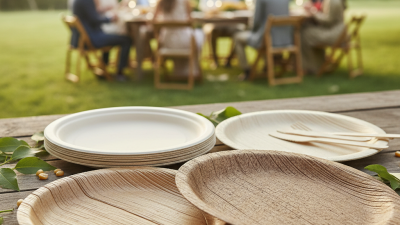
Top 10 Biodegradable Disposable Plates for Eco-Friendly Parties?
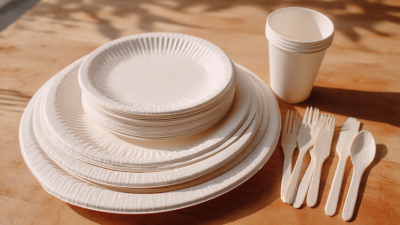
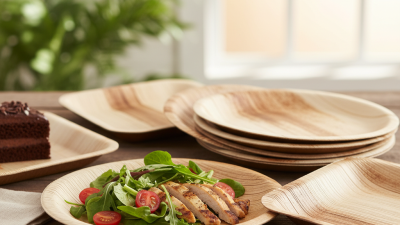
Planning an eco-friendly party involves more than just good food and company. It requires thoughtful choices in every aspect, including tableware. One popular option for sustainable gatherings is the Biodegradable Disposable Plate. These plates are not only practical but also help reduce environmental impact. They break down naturally, returning nutrients to the soil.
Choosing the right Biodegradable Disposable Plate can be overwhelming. With so many products on the market, it’s essential to identify trustworthy options. Not all biodegradable plates are created equal. Some may only disintegrate under specific conditions, while others might contain harmful additives. It's crucial to read labels and understand materials used in production.
Eco-conscious consumers should remain informed about their options. Researching brands and products enhances decision-making. Engaging with product reviews and expert insights can provide valuable perspectives. Choosing biodegradable options reflects a commitment to sustainability. However, it's also essential to consider the overall event impact. Embracing biodegradable plates is a step forward but should be part of a larger eco-friendly strategy.
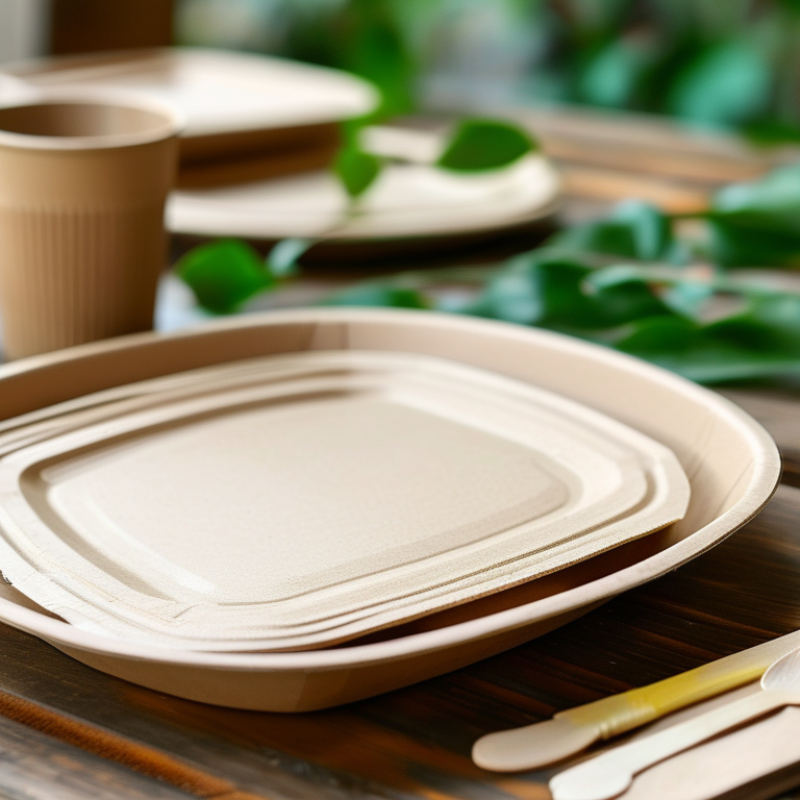
The Importance of Biodegradable Plates in Reducing Plastic Waste
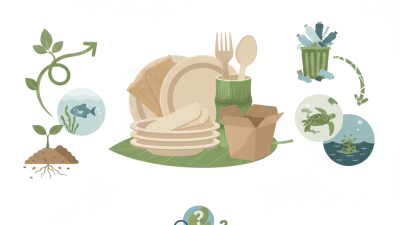
The importance of biodegradable plates cannot be overstated. They serve as a practical solution to the growing plastic pollution problem. Traditional disposable plates can take hundreds of years to decompose. In contrast, biodegradable options break down in just a few months under the right conditions. This quick decomposition helps alleviate pressure on landfills.
Many households and event planners overlook this aspect. It’s easy to choose plastic for convenience, but it contributes significantly to environmental harm. Choosing biodegradable plates can seem daunting. With numerous options available, it's essential to educate oneself about materials. Understanding their properties can aid in making informed choices.
Reflections on our consumer habits reveal a need for change. Hosting eco-friendly parties shouldn't sacrifice quality or style. Biodegradable plates are now available in various designs, making them both practical and appealing. However, challenges remain in constantly sourcing high-quality materials. The journey towards sustainable choices is ongoing and requires collective effort.
Key Materials Used in Biodegradable Disposable Plates: A Comparative Analysis
When organizing eco-friendly parties, the choice of plates plays a key role. Biodegradable disposable plates are made from various materials that offer different environmental impacts. Understanding these materials can help consumers make informed decisions.
Compostable materials like PLA (polylactic acid) are derived from cornstarch. Studies indicate that PLA can break down within 90 to 180 days under industrial composting conditions. However, it can take much longer in home compost environments. Additionally, bagasse, a byproduct of sugarcane, becomes a popular choice. It is sturdy and can decompose within 60 days in ideal conditions.
Nevertheless, not all biodegradable options are truly eco-friendly. Some plates may contain additives that hinder compostability. Research shows that products marked as ‘biodegradable’ can vary widely in their actual performance. This discrepancy raises questions about consumer trust. Always check for certifications and seek transparency in the materials used. This ensures the plates contribute positively to the environment without unexpected consequences.
Top 10 Biodegradable Disposable Plates: Features and Performance Metrics
When planning eco-friendly parties, selecting biodegradable disposable plates is essential. Research suggests that nearly 60% of consumers prefer sustainable products for events. These plates break down naturally, reducing landfill waste significantly compared to traditional plastic options. Reports indicate that plastic takes hundreds of years to decompose, while biodegradable materials can break down within months. This makes them an excellent choice for the environmentally conscious consumer.
Performance metrics for biodegradable plates vary widely. Some plates offer superior sturdiness, suitable for hot or wet foods. Others may warp or degrade quickly under similar conditions. A 2021 industry study showed that 85% of biodegradable plates performed well under dry conditions but struggled with liquid absorption. This inconsistency can impact user experience. Additionally, price point matters; more sustainable options are often 20% to 30% higher than conventional plates.
The production process also raises questions. Not all biodegradable materials are created equal. Some may still harm the environment during manufacturing. Consumers should seek certifications for assurance. Mindful purchasing can still lead to shortcomings in product performance and eco-friendliness. Balancing performance, cost, and sustainability remains a challenge for many organizers.
Environmental Impact: How Biodegradable Plates Compare to Traditional Options
The choice of disposable plates significantly impacts the environment. Traditional plastic plates can take hundreds of years to decompose. In contrast, biodegradable plates often break down in a fraction of that time, usually within months. According to a report by the Biodegradable Products Institute, biodegradable materials could reduce landfill waste by 50%.
Using biodegradable plates can lessen pollution. A study indicates that over 40% of plastic waste comes from single-use products. Many biodegradable options are made from materials like sugarcane or corn starch. These materials are renewable and often require less energy to produce compared to conventional plastics.
However, it's essential to consider the complete lifecycle of these products. Some biodegradable plates may require industrial composting facilities to decompose effectively. Without access to such facilities, they may not deliver their promised environmental benefits. Experts point out that consumer awareness is vital. Biodegradable doesn't always mean eco-friendly without the right disposal methods. This complexity reflects the ongoing need for better education on sustainable practices.
Top 10 Biodegradable Disposable Plates for Eco-Friendly Parties
| Material |
Size (inches) |
Compostable |
Water Resistance |
Price (per 100) |
| Sugarcane |
9 |
Yes |
Yes |
$30 |
| Bamboo |
10.5 |
Yes |
Yes |
$40 |
| Palm Leaf |
7 |
Yes |
No |
$50 |
| Wheat Straw |
8 |
Yes |
Yes |
$35 |
| PLA (Polylactic Acid) |
9.5 |
Yes |
Yes |
$60 |
| Recycled Paper |
10 |
Yes |
No |
$25 |
| Corn Starch |
8.5 |
Yes |
Yes |
$55 |
| Bagasse |
10 |
Yes |
Yes |
$45 |
| Molded Fiber |
9 |
Yes |
No |
$50 |
| Seagrass |
9.5 |
Yes |
Yes |
$70 |
Consumer Trends: The Growing Demand for Eco-Friendly Party Supplies
The demand for eco-friendly party supplies is on the rise. More people are becoming aware of the environmental impact of disposable products. With pollution and waste becoming serious issues, many are looking for sustainable alternatives. Biodegradable plates have entered the spotlight as an ideal choice for parties. They offer convenience without harming the planet.
Interestingly, consumers now prioritize products that align with their values. Studies indicate that 70% of shoppers consider sustainability when planning events. Some choose compostable materials over traditional plastic. Yet, many still feel unsure about what makes some plates truly biodegradable. Understanding the differences can lead to better choices. It’s crucial to read labels and know what to look for.
However, not all biodegradable plates perform equally. Some may break down rapidly, while others take longer. This inconsistency can lead to confusion. It's worth examining the environmental claims of each product. Embracing eco-friendly options is a positive step, but it requires thoughtful consideration. Being eco-conscious is not just a trend; it’s a responsibility we all share.
Top 10 Biodegradable Disposable Plates for Eco-Friendly Parties