10 Best Eco Friendly Tableware Options for Sustainable Living
In an age where environmental sustainability is becoming increasingly vital, the choices we make in our daily lives can have a profound impact on our planet. One often-overlooked area is the tableware we use. Traditional dinnerware can contribute to a significant amount of waste and pollution, prompting many to seek alternatives that not only serve their functional purpose but also minimize their ecological footprint. This is where eco-friendly tableware comes into play.
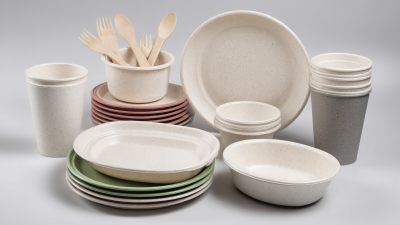
Eco-friendly tableware encompasses a variety of options made from sustainable materials, designed to be both aesthetically pleasing and environmentally responsible. From biodegradable plates to utensils crafted from renewable resources, these alternatives offer innovative solutions for conscientious consumers. As we navigate through the myriad of choices available today, it's essential to understand the benefits and features of these sustainable products.
In this article, we will explore the ten best eco-friendly tableware options that not only promote sustainable living but also inspire a shift towards more responsible consumption. By making informed choices in our dining practices, we can contribute to a healthier planet while enjoying our meals in style.
The Importance of Eco Friendly Tableware for Sustainable Living
The significance of eco-friendly tableware in the pursuit of sustainable living
cannot be overstated. With the global shift towards environmental consciousness, the choice of materials used in
everyday items like tableware plays a crucial role in reducing our carbon footprint. According to a report by the
Ellen MacArthur Foundation, using biodegradable or recyclable materials can
significantly reduce the waste sent to landfills, which is critical given that approximately 30%
of all waste generated globally is from food packaging and utensils. By opting for sustainable tableware, we not only lessen the burden
on our planet but also contribute to a circular economy that emphasizes reusing materials.
Furthermore, environmental health is directly linked to our choices in tableware. Research by the
World Wildlife Fund indicates that switching to sustainable options can
reduce carbon emissions by over 50% during production phases compared to conventional
plastic or Styrofoam items. This dramatic reduction helps in combating pollution and preserves natural resources, as eco-friendly
materials often require less water and energy. By incorporating sustainable tableware into our daily lives, we actively participate in
a broader movement towards reducing environmental degradation and promoting a healthier planet for future generations.
Types of Eco Friendly Materials Used in Tableware Production
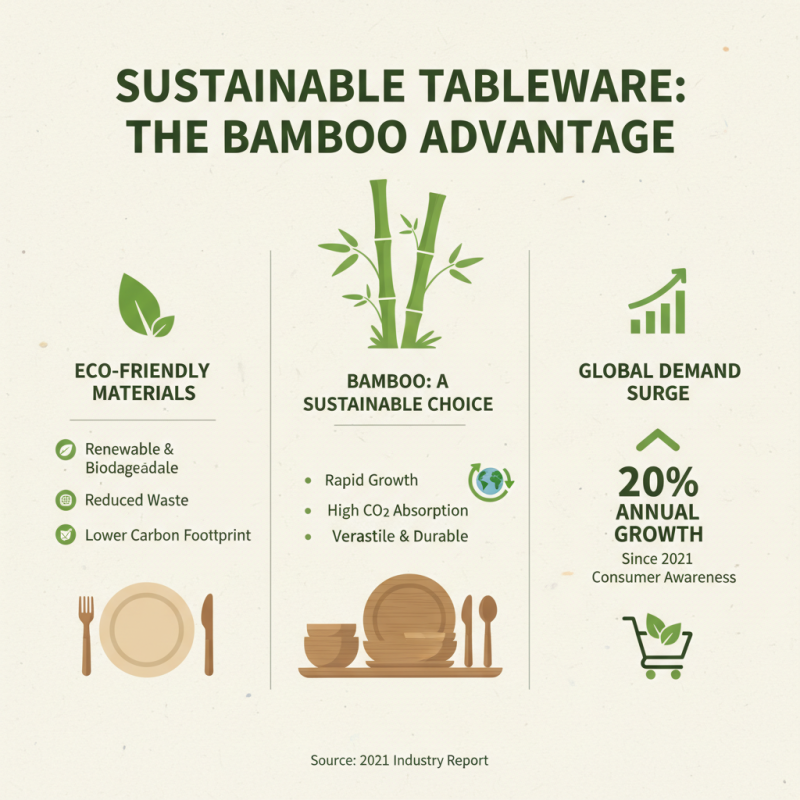
When it comes to sustainable living, the materials used in tableware production play a crucial role in minimizing environmental impact. Eco-friendly tableware options are typically made from renewable or biodegradable materials that help reduce waste and carbon footprints. Common materials include bamboo, which grows rapidly and absorbs carbon dioxide efficiently, making it an ideal sustainable choice. According to a 2021 industry report, the global demand for bamboo products has surged by nearly 20% annually, reflecting heightened consumer awareness about sustainable options.
Another popular material is biodegradable plastics derived from cornstarch or other plant-based sources. These materials break down naturally over time, reducing plastic pollution in landfills and oceans. Reports indicate that the bioplastics market is expected to reach $30 billion by 2025, driven by a shift in consumer preferences toward greener alternatives. Similarly, hemp and recycled paper are emerging as viable options for eco-friendly tableware, with hemp's growth requiring minimal pesticides and fertilizers, and recycled paper significantly reducing the need for virgin resources.
Tips: When choosing eco-friendly tableware, consider products that are not only biodegradable but also certified by recognized eco-labels. This ensures the items meet environmental standards throughout their lifecycle. Additionally, always check for the production methods and sourcing of materials to support truly sustainable practices. By selecting the right materials, you can significantly contribute to a reduction in environmental degradation while enjoying dining experiences that reflect your commitments to sustainability.
Comparative Analysis of Biodegradable vs. Traditional Tableware
When considering tableware options, the choice between
biodegradable and traditional materials has significant
implications for sustainability. Traditional tableware, often made from plastics and non-renewable resources,
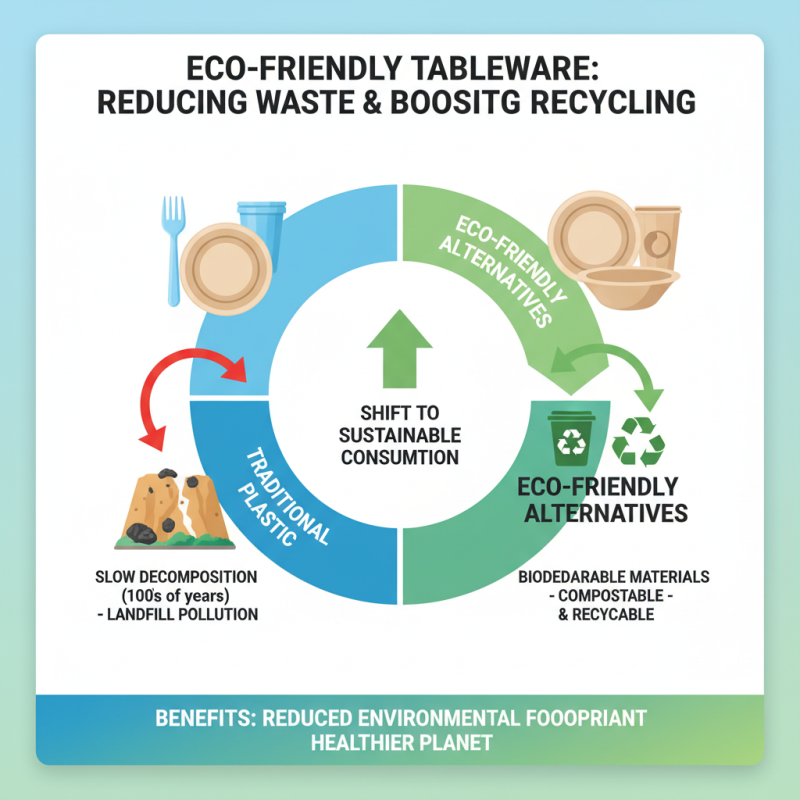
poses environmental challenges as it contributes to waste and pollution. These materials can take
hundreds of years to decompose, resulting in long-lasting environmental harm. The production process also involves
energy-intensive practices that exacerbate carbon emissions, thereby impacting climate change.
In contrast, biodegradable tableware presents a more eco-friendly alternative.
Typically made from renewable resources such as cornstarch, bamboo, or palm leaves, these options can break down naturally
in composting conditions. This decomposition process reduces landfill waste and nutrient depletion in soil, promoting a
healthier ecosystem. Additionally, many biodegradable products are designed to be composted
after use, ensuring that they contribute positively to the environment rather than detracting from it.
Choosing biodegradable options not only supports sustainable living but also
encourages a shift towards environmentally responsible consumption patterns, making it a crucial step in
reducing our ecological footprint.
Consumer Trends in Eco Friendly Tableware Adoption and Market Growth
The shift toward eco-friendly tableware has gained significant momentum as consumers become increasingly aware of environmental issues. This trend is evident in the growing demand for products that minimize plastic waste and use sustainable materials. Many consumers are choosing biodegradable, compostable, or reusable tableware options made from materials like bamboo, palm leaves, or recycled paper. This conscious consumer behavior reflects a broader commitment to sustainable living and a desire to reduce one’s carbon footprint while still enjoying everyday activities, like dining at home or hosting gatherings.
Market growth for eco-friendly tableware reflects this change in consumer preferences. Research indicates that environmentally conscious products are not just a passing trend; they are becoming staples in many households. As awareness of plastic pollution and environmental degradation continues to rise, businesses are responding by innovating and expanding their offerings. The increasing availability of eco-friendly options across various price points indicates a shift in consumer expectations, where people are willing to invest in products that align with their eco-conscious values. This evolution is reshaping the tableware industry, making sustainability a priority for manufacturers and retailers alike.
10 Best Eco Friendly Tableware Options for Sustainable Living
| Material |
Type |
Biodegradable |
Reusability |
Market Growth (%) |
| Bamboo |
Plates |
Yes |
High |
15 |
| Cornstarch |
Cups |
Yes |
Moderate |
25 |
| Recycled Plastic |
Bowls |
No |
High |
10 |
| Palm Leaf |
Plates |
Yes |
Single-use |
20 |
| Glass |
Plates and Cups |
No |
Very High |
5 |
| Ceramic |
Mugs and Plates |
No |
Very High |
7 |
| Biodegradable Paper |
Plates |
Yes |
Single-use |
30 |
| Wheat Straw |
Cups and Plates |
Yes |
Moderate |
18 |
| Bamboo Fiber |
Dishware |
Yes |
High |
12 |
| Stainless Steel |
Cups and Straws |
No |
Very High |
8 |
Impact of Eco Friendly Tableware on Waste Reduction and Recycling Efforts
The impact of eco-friendly tableware on waste reduction and recycling efforts is significant, as it encourages a shift towards more sustainable consumption habits. Traditional disposable tableware, often made from plastic, contributes to a substantial amount of waste in landfills, where it can take hundreds of years to decompose. In contrast, eco-friendly options are typically made from biodegradable materials, such as bamboo, palm leaves, or even recycled paper. By replacing conventional plastic tableware with these sustainable alternatives, individuals and businesses can significantly reduce their environmental footprint and promote a healthier planet.
Moreover, the adoption of eco-friendly tableware fosters a culture of recycling and waste management. Many materials used in sustainable tableware are designed to be composted or recycled, making it easier for consumers to participate in these efforts. Educating communities about the benefits of using ecological tableware not only raises awareness but also encourages proactive behaviors aimed at reducing waste. When tableware is made from sustainable materials, it sends a message that eco-consciousness is valuable, ultimately leading to better waste management practices at home, in restaurants, and during events. As people become more mindful of their choices, the cumulative effect of using eco-friendly products can significantly contribute to the global reduction of waste and improve recycling rates.