Best Degradable Takeout Boxes for Sustainable Packaging Solutions?
The global shift towards sustainable practices in food packaging is undeniable. In recent years, the interest in degradable takeout boxes has surged. A recent report by GreenBiz indicates that the market for sustainable packaging is expected to reach $1 trillion by 2027. This shift highlights the increasing consumer demand for eco-friendly options.
Degradable takeout boxes are essential in reducing plastic pollution. Traditional plastic containers often end up in landfills and oceans, contributing to ecological harm. Studies show that over 300 million tons of plastic waste are generated annually, a staggering amount that poses serious environmental threats. Transitioning to degradable options is not just a trend; it’s a necessity for future sustainability.
However, challenges remain. Many degradable products still lack proper certification and consumer understanding. Not all biodegradable materials decompose effectively in natural environments. This sometimes leads to consumer skepticism about their impact. As we explore the best degradable takeout boxes, it is crucial to assess their actual efficacy and environmental benefits.
Understanding Degradable Materials in Takeout Packaging
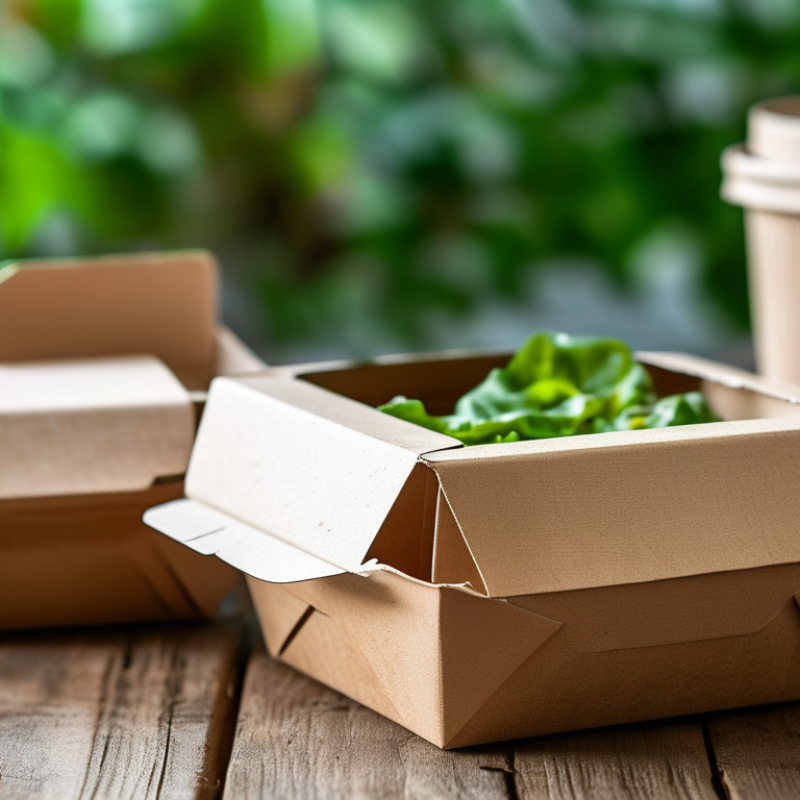
In recent years, the demand for sustainable packaging solutions has surged. Degradable materials are at the forefront of this movement. These materials break down more quickly than traditional plastics, making them a better choice for the environment. Understanding how these materials work is essential for restaurants and consumers alike.
Degradable takeout boxes can be made from various substances. Some use plant-based polymers, while others might include additives that promote decomposition. The rate at which these boxes degrade depends on environmental factors like temperature and moisture. This inconsistency can lead to challenges, as not all degradable products break down in the same time frame.
Choosing the right material is crucial. Consumers must look for products that clearly state their degradable nature. However, not all labels are trustworthy. This muddles the marketplace, making it difficult to discern effective solutions. More education is necessary for both businesses and customers, ensuring informed choices. While the push for sustainability is commendable, there is still much work to do in creating true, effective packaging solutions.
Best Degradable Takeout Boxes for Sustainable Packaging Solutions
| Material |
Degradation Time (months) |
Heat Resistance (°C) |
Ideal Use Case |
Compostable |
| PLA (Polylactic Acid) |
1-3 |
55-60 |
Cold Foods, Salads |
Yes |
| Bagasse |
3-6 |
95 |
Hot Foods, Soups |
Yes |
| Palm Leaf |
3-4 |
120 |
All Types of Foods |
Yes |
| Recycled Paper |
6-12 |
80 |
Sandwiches, Pastries |
Yes |
| Cornstarch |
3-5 |
60-70 |
Cold Foods, Desserts |
Yes |
Types of Degradable Takeout Boxes: An Overview
Degradable takeout boxes are becoming popular. They offer an eco-friendly option for packaging food. Understanding their types can help businesses choose wisely.
Biodegradable boxes are made from materials that break down naturally. Common materials include plant fibers and recycled paper. These boxes decompose over time, reducing landfill waste. Compostable boxes are another option. They go a step further by breaking down into nutrient-rich compost. This process typically requires specific environmental conditions.
Some boxes are made from materials like PLA, a bioplastic derived from corn. It looks and feels like plastic, but it’s more sustainable. However, they may not break down effectively in every environment. It's essential to consider local composting facilities. Many consumers seek these sustainable options. Yet, awareness around disposal practices is still a challenge. Educating customers about proper disposal makes a difference. A diverse selection of degradable boxes can appeal to many. But, businesses must be transparent about their sustainability practices.
Benefits of Using Sustainable Packaging Solutions
Sustainable packaging solutions, like degradable takeout boxes, offer significant benefits. They reduce the environmental footprint of food packaging. According to a report by the Ellen MacArthur Foundation, plastic waste could reach 1.3 billion tons by 2040 if trends continue. Sustainable options help mitigate this crisis.
Switching to compostable materials can enhance a brand's image. 75% of consumers prefer eco-friendly options according to a 2021 Nielsen survey. Sustainable packaging not only attracts customers but also cuts disposal costs for businesses. It fosters a positive relationship with the community and the environment.
Tip: Choose materials certified for composting. Look for clear labels and guidelines. Make it easy for both staff and customers to understand disposal methods. Education is key for successful implementation.
Tip: Measure the impact. Monitor user feedback and waste reduction metrics. This helps in refining products for better sustainability. A continuous improvement mindset can lead to innovation. Engaging with customers also builds trust in your commitment to sustainability.
Comparative Analysis of Popular Degradable Takeout Box Brands
Degradable takeout boxes have become essential in the sustainable packaging debate. As awareness of environmental issues grows, brands face pressure to adopt eco-friendly alternatives. Recent reports indicate that plastic waste accounts for nearly 60% of global solid waste. This statistic emphasizes the urgent need for effective solutions like degradable packaging.
Comparing various degradable takeout box brands reveals significant differences in material composition and degradation rates. According to industry data, some boxes can degrade within 90 days under the right conditions. However, certain brands may take longer than expected, leading to consumer confusion. It’s crucial for businesses to transparently communicate their products' environmental impact.
Despite advancements, some degradable options still raise concerns. For instance, not all materials break down completely, leaving microplastics. Recent studies show that up to 30% of certain brands can remain in the environment. These findings highlight the importance of ongoing research and innovation in sustainable packaging. Companies must balance functionality with environmental responsibility to ensure a positive impact.
Best Degradable Takeout Boxes for Sustainable Packaging Solutions
Challenges and Future Trends in Sustainable Packaging Solutions
The transition to sustainable packaging solutions is fraught with challenges. Many materials labeled as degradable still require specific conditions to break down effectively. The presence of contaminants in recycling streams complicates composting efforts. Consumer awareness of what is truly eco-friendly is still developing, leading to confusion. Many people associate "biodegradable" with a quick end, yet it may linger in landfills longer than expected.
Future trends in sustainable packaging emphasize innovations in materials. Research into organic compounds shows promise. These advances aim to reduce reliance on plastics. However, the cost of these alternatives often remains a barrier. Technical limitations can hinder widespread adoption. Education initiatives are desperately needed to bridge the gap between sustainability and consumer behavior.
Ultimately, the path to sustainable packaging solutions requires collective effort. Manufacturers, consumers, and policymakers must collaborate. As options evolve, so too must our understanding of these materials. Continuous improvement and awareness can lead to meaningful change. There is still much work to be done to refine these solutions and ensure they fulfill their promise.