10 Best Biodegradable Disposable Tableware for Eco-Friendly Events?
As the global focus shifts towards sustainability, the demand for Biodegradable Disposable Tableware has surged. Industry expert Dr. Anna Green, an environmental scientist, emphasizes, "Choosing biodegradable options is crucial for reducing waste." This statement underlines the importance of making informed choices for eco-friendly events.
Biodegradable Disposable Tableware serves as a practical alternative to traditional plastics. These products break down naturally, minimizing their impact on the environment. However, not all biodegradable options are created equal. Some may still leave traces or take longer to decompose, prompting us to reflect on our choices.
Consumers face a rapidly growing market filled with options. Understanding the nuances in material composition and decomposition rates is vital. Choosing the right tableware can enhance the eco-friendly experience while ensuring quality and functionality. The journey toward sustainability requires awareness and commitment, driving us to question our habits and opt for the best solutions.
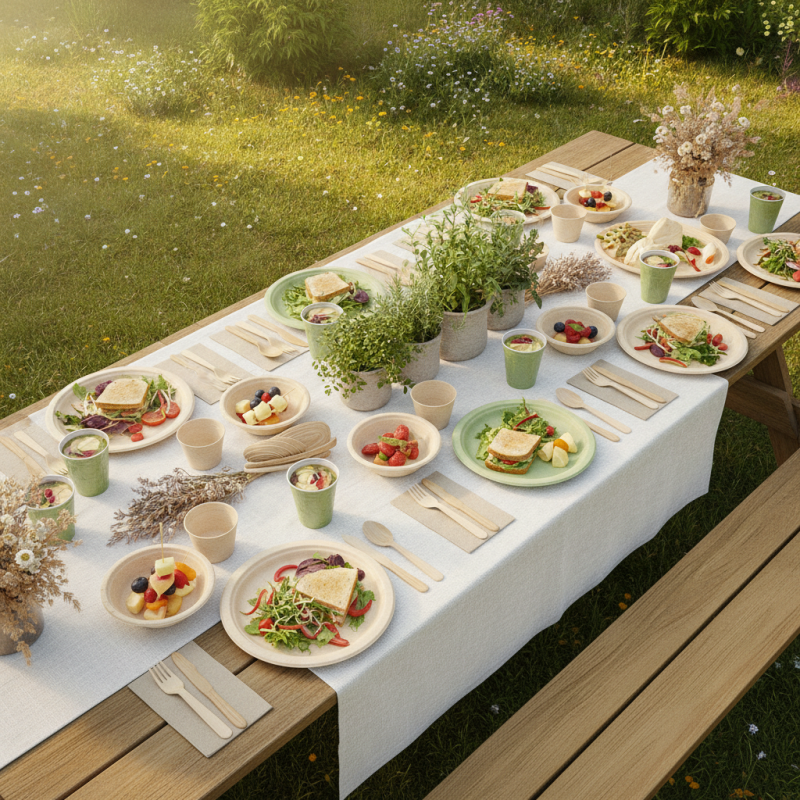
Overview of Biodegradable Disposable Tableware
Biodegradable disposable tableware has gained significant attention in recent years. This rise is partly due to the increasing awareness of environmental issues. A recent report indicated that the global biodegradable tableware market is expected to grow at a CAGR of 5.5% over the next five years. Such growth shows a shift toward sustainable practices in events and gatherings.
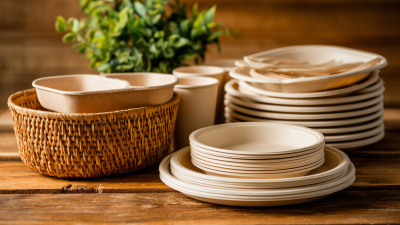
Biodegradable tableware is made from natural materials, such as bamboo, palm leaves, or cornstarch. These materials break down naturally, reducing waste in landfills. Unlike traditional plastics, they do not release harmful chemicals during decomposition. However, not all biodegradable products are created equal. Some may still take years to decompose under certain conditions.
Tips: Always look for certifications. Certifications can help you identify truly eco-friendly products. Also, consider the event's specifics. The type of food served can impact which tableware is most suitable. If you're serving hot foods, ensure your chosen tableware can withstand the temperature. Awareness of these factors can lead to better choices for your event.
10 Best Biodegradable Disposable Tableware for Eco-Friendly Events
| Product Name |
Material |
Biodegradable Time |
Features |
Suitable For |
| Compostable Plates |
CPLA |
90-180 days |
Hot and cold food safe, microwaveable |
Catering, picnics |
| Bamboo Cutlery Set |
Bamboo |
2-4 months |
Sturdy, splinter-free |
Camping, events |
| Palm Leaf Plates |
Palm leaves |
60-90 days |
Natural, elegant design |
Weddings, parties |
| PLA Cups |
PLA |
90-180 days |
Lightweight, clear |
Beverages, events |
| Sugarcane Plates |
Bagasse |
30-60 days |
Grease-resistant, compostable |
Barbecues, gatherings |
| Biodegradable Straws |
PLA |
90-180 days |
Flexible, available in various sizes |
Beverages, desserts |
| Coconut Bowls |
Coconut shells |
6-12 months |
Unique design, insulated |
Salads, snacks |
| Paper Napkins |
Recycled paper |
2-4 weeks |
Soft, absorbent |
All occasions |
| Compostable Food Containers |
PLA or sugarcane |
60-180 days |
Durable, leak-proof |
Takeout, catering |
Criteria for Selecting Eco-Friendly Tableware
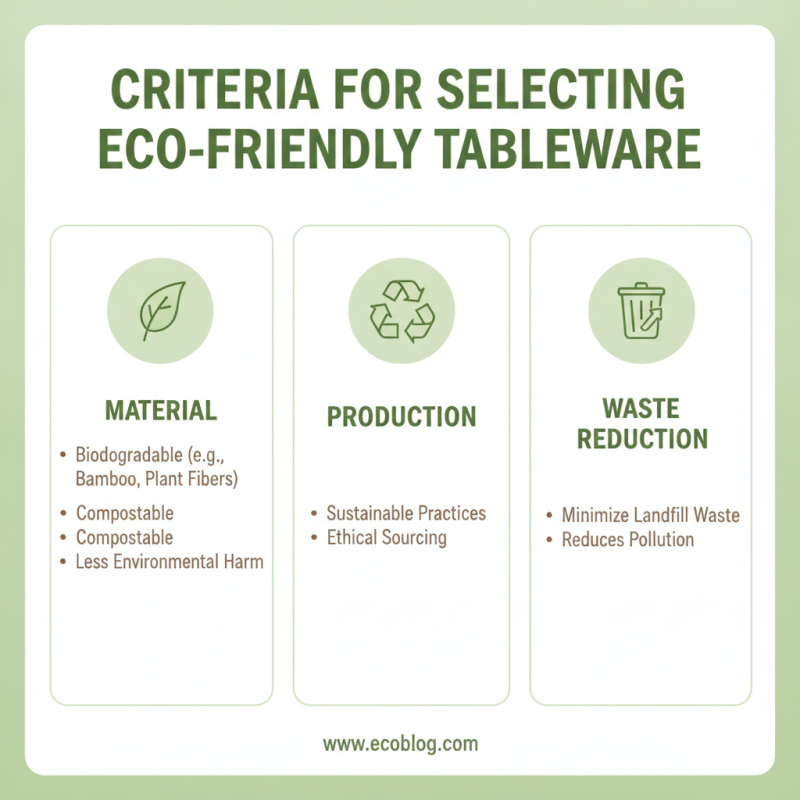
When choosing eco-friendly tableware, several criteria should guide your decision. The material is crucial. Look for options that break down naturally, like bamboo or compostable plant fibers. These materials minimize waste and are often less harmful to the environment. It's essential to check how the tableware is produced to ensure it adheres to sustainable practices.
Tips: Always ask suppliers for certifications. This helps verify their commitment to eco-friendliness. While options may be appealing, some can still contain harmful additives. Your choices should ideally reflect both functionality and environmental responsibility.
Durability is another key factor. While biodegradable materials offer an eco-friendly alternative, they must also withstand the event's needs. Choose tableware that can handle hot foods or liquids without disrupting your event. Be mindful of the balance between usability and ecological impact. Sometimes, the most biodegradable options might lack strength, leading to waste during your event. Prioritize quality to avoid unnecessary waste.
Top 10 Biodegradable Options for Events
When planning eco-friendly events, selecting the right
tableware is crucial. Biodegradable options reduce waste and are a
responsible choice. Imagine serving meals on plates that decompose after use. These products enhance your event's
sustainability.
There are many materials to choose from. Sugarcane bagasse is sturdy and
compostable. Bamboo plates offer a natural aesthetic and can withstand heat.
Look for options made from palm leaves as well. They are not only sustainable
but also unique in appearance. These tableware choices make your event special.
However, be cautious. Some biodegradable products may not decompose as quickly as expected. It's vital to
consider your local composting facilities. Not every area has
proper composting processes. Misplaced items can lead to environmental harm. Researching and understanding your
options ensures a truly eco-friendly event.
Comparison of Material Types in Disposable Tableware
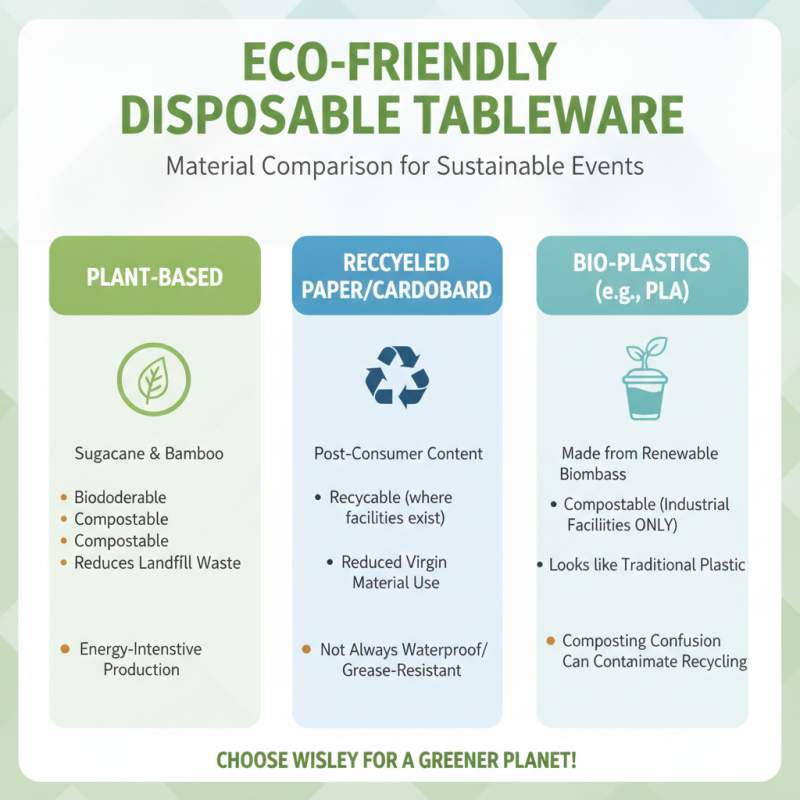
When planning eco-friendly events, the choice of disposable tableware is crucial. Various materials offer distinct advantages and challenges. For instance, plant-based options like sugarcane and bamboo are biodegradable. They break down naturally, reducing landfill waste. However, their production processes can sometimes be energy-intensive.
Compostable products made from cornstarch are gaining popularity. They decompose in commercial composting facilities but may not break down effectively in home composting. Paper and cardboard also present a sustainable choice, often requiring minimal resources. Yet, some manufacturers use coatings that hinder biodegradability.
Choosing the right material requires careful consideration. It is essential to balance sustainability with functionality and cost. Some eco-friendly options might not hold up under wet conditions. Others may lack the sturdiness needed for heavy meals. Event planners should weigh these aspects to ensure a successful and environmentally responsible occasion.
Tips for Using Biodegradable Tableware Effectively
When hosting eco-friendly events, using biodegradable tableware can significantly reduce waste. However, ensuring its effectiveness requires some thoughtful approaches. Consider the types of food you will serve. Oily or acidic foods may disrupt compostable materials. You might place barriers, like parchment paper, to prevent leakage and maintain food integrity.
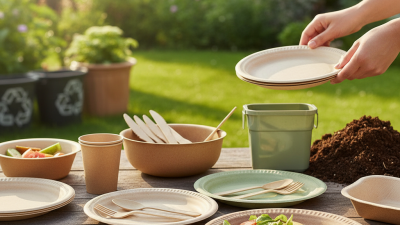
Proper storage is also essential. Keep biodegradable items away from direct sunlight and moisture to preserve their quality. However, don’t underestimate the importance of customer awareness. Some guests may not know how to dispose of these items properly. Clear signage can guide them towards appropriate recycling or composting options. Furthermore, educate yourself on local composting facilities. Not all biodegradable products break down similarly, and knowing which ones are accepted in your area is critical.
Recognizing your event's limitations can also be constructive. You may encounter issues with supply sourcing, especially in some regions. Always have backup options ready. Setting realistic expectations for biodegradables will help. They may not decompose as quickly as expected, adding to the need for effective waste management strategies.