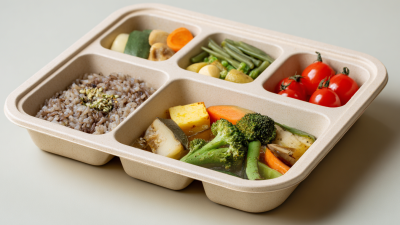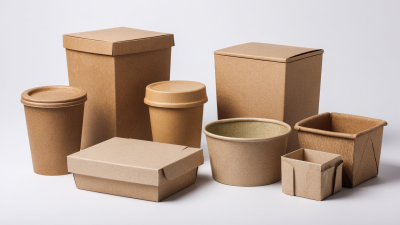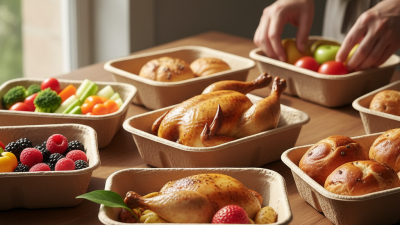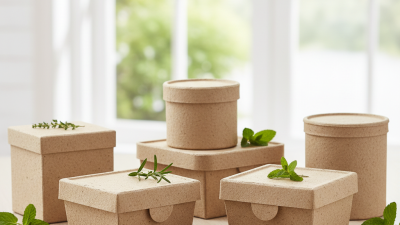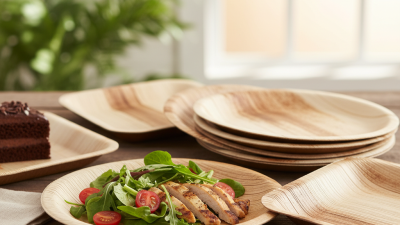
In recent years, the importance of sustainable dining has gained significant traction. More consumers are looking for eco-friendly options. The Eco Friendly Pulp Bento Box stands out as a solution. This innovative packaging reflects a shift towards environmentally responsible practices. It combines functionality with sustainability, appealing to eco-conscious individuals.
Utilizing the Eco Friendly Pulp Bento Box can reduce waste from traditional packaging. These boxes are made from renewable resources, enhancing their appeal. They offer a practical alternative that does not compromise on quality. Moreover, they decompose naturally, adding to their environmental benefits. However, one must consider the sourcing of pulp. Ensuring it comes from responsible forestry practices is crucial.
Adopting these boxes in our daily lives promotes a greener planet. Each small change contributes to a larger impact. While the transition may seem daunting, the Eco Friendly Pulp Bento Box represents convenience and sustainability. Engaging in eco-friendly dining is not just a trend; it’s a necessity. It challenges us to reflect on our choices and their effects.
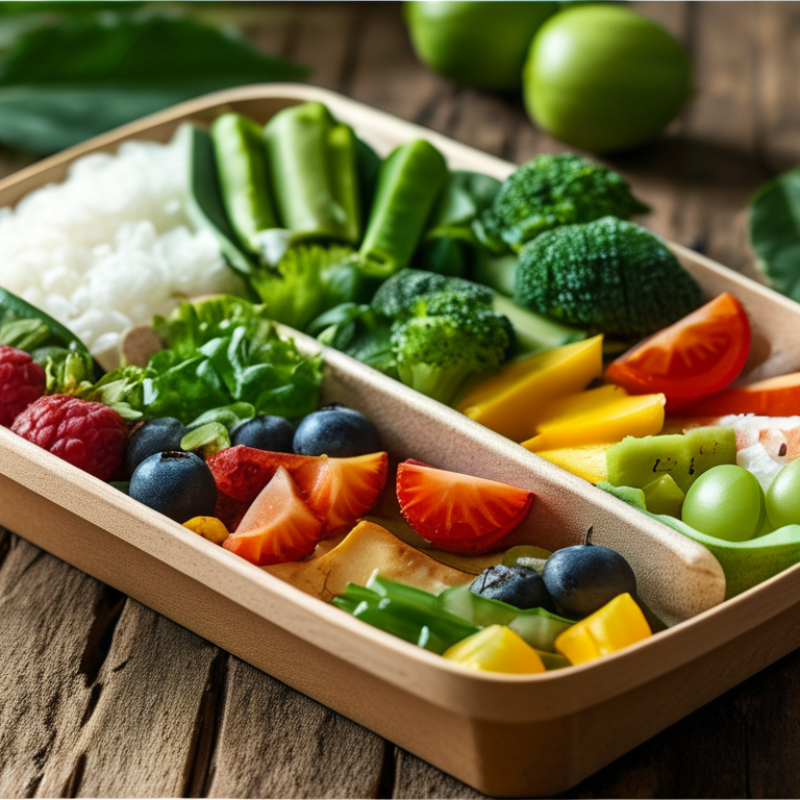
Eco-friendly pulp bento boxes are gaining attention for their role in sustainable dining. These biodegradable containers help to significantly reduce plastic waste. Traditional plastic packaging contributes to severe environmental issues. By switching to pulp bento boxes, individuals take a proactive step toward eco-conscious living.
When we choose pulp bento boxes, we embrace materials made from renewable resources. They decompose naturally and return to the earth without harming our ecosystems. Each box reduces reliance on single-use plastics. This shift not only lessens landfill waste but also minimizes ocean pollution. The impact of this is tangible; fewer plastics mean healthier wildlife and cleaner oceans.
Transitioning to pulp bento boxes also encourages mindfulness around food packaging. It's not just about convenience anymore; it's about making responsible choices. However, it’s essential to consider production practices as well. Not all pulp products are created equal. Understanding the sourcing of materials is key. As consumers, we must remain vigilant in seeking sustainable options.
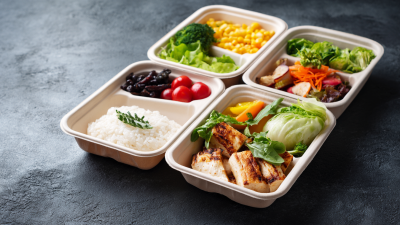
Sustainable materials play a critical role in food packaging safety. Recent studies suggest that around 60% of consumers express concerns about plastic packaging. They prefer eco-friendly alternatives, as these materials reduce the risk of chemical leaching into food. Eco-friendly pulp bento boxes are made from renewable resources. This innovation offers safety and peace of mind for consumers and businesses alike.
In fact, the Global Pulp and Paper Market report indicates that sustainable packaging is expected to grow by 12% annually. This growth highlights the rising demand for materials that prioritize health and environmental protection. Pulp packaging can biodegrade within months, unlike conventional plastic that can take hundreds of years. Moreover, studies show that sustainable packaging significantly reduces greenhouse gas emissions. For example, eco-friendly options emit 70% less CO2 during production compared to traditional materials.
The shift to eco-friendly packaging also presents challenges. Not all consumers understand the benefits, and some express skepticism about the effectiveness. Therefore, educating customers about safety and sustainability is essential. Transparency in sourcing and production processes is vital. It reassures customers that these materials are safe and do not compromise food quality. The responsibility lies with manufacturers to address these evolving consumer preferences.
| Benefit | Description | Environmental Impact | Health Advantages |
|---|---|---|---|
| Biodegradable | Breaks down naturally without harming the environment. | Reduces landfill waste. | No harmful chemicals leaching into food. |
| Sustainable Material | Made from renewable resources such as pulp. | Promotes responsible forest management. | Minimizes exposure to synthetic toxins. |
| Food Safety | Non-toxic and safe for food storage. | Reduces risk of contamination. | Protects food freshness and quality. |
| Customizable | Easily customizable for branding. | Encourages creative eco-friendly marketing. | Promotes awareness of sustainable choices. |
| Cost-effective | Competitive pricing due to mass production. | Less expensive waste disposal. | Enhances affordability without sacrificing quality. |
| Lightweight and Durable | Easy to carry and handling. | Lower carbon footprint in transportation. | Safe packaging for a variety of foods. |
| Versatile | Suitable for hot, cold, and wet foods. | Reduces need for multiple types of packaging. | Ensures food integrity in different conditions. |
| Consumer Appeal | Attractive to eco-conscious consumers. | Supports sustainable consumer trends. | Enhances customer loyalty and brand image. |
| Easy Disposal | Can be composted after use. | Contributes to a zero-waste lifestyle. | Avoids harm to wildlife and ecosystems. |
| Regulatory Compliance | Meets increasing regulations on food packaging. | Helps businesses avoid penalties and fines. | Promotes safer food packaging standards. |
Switching to eco-friendly bento boxes offers notable economic advantages for businesses. According to recent market studies, companies that adopt sustainable packaging can save up to 20% on long-term costs. One report suggests that eco-conscious consumers are willing to pay 10-15% more for sustainable options, thus increasing overall sales. This shift not only enhances profit margins but also boosts brand loyalty among environmentally aware customers.
Additionally, the rise in regulations around single-use plastics highlights the urgency for change. Businesses that transition to eco-friendly alternatives can avoid potential fines and penalties. The global market for sustainable packaging is projected to grow at a compound annual growth rate of 5.7% over the next five years. Brands that ignore this trend may find themselves at a disadvantage.
Embracing eco-friendly bento boxes can also reduce waste management costs. Companies that utilize biodegradable materials often see a decrease in landfill contributions. However, the initial transition can be daunting. Sourcing high-quality materials and ensuring supply chain compatibility requires thorough research. Despite these challenges, the benefits of sustainability in dining are undeniable and worth exploring.
The trend towards sustainable dining is gaining momentum. A recent report by Nielsen indicates that 73% of consumers are willing to pay more for eco-friendly products. This shift is not just a fad; it's reshaping the dining experience and influencing purchasing behaviors. With the rise in consumer awareness about climate change, there is an increasing demand for solutions that reflect responsible consumption.
Eco-friendly bento boxes are a perfect example of this demand. They are made from sustainable pulp materials, offering a biodegradable alternative to traditional plastic containers. These boxes reduce environmental impact significantly. According to a study from the Ellen MacArthur Foundation, switching to sustainable packaging can lead to a reduction of CO2 emissions by up to 70%.
When choosing eco-friendly options, consider the entire lifecycle of the products. Look for certifications that verify their sustainability claims. This adds a layer of trust to your dining choices.
Tip: Test out different types of eco-friendly containers to find what works best for your needs. Over time, you’ll discover which products are most durable and user-friendly.
Another consideration is portion control. Eco-friendly bento boxes can help in managing food waste. Choose portion sizes that align with your appetite and avoid excess. This small change can make a big difference for the environment.
Eco-friendly packaging is essential for modern brands seeking loyalty. Research shows that over 70% of consumers prefer sustainable packaging options. A study by the World Economic Forum highlights a growing trend: brands focused on sustainability can boost their market share. Packaging plays a vital role in shaping consumer perception.
Consumer preferences are shifting significantly. In fact, 61% of shoppers would pay more for products with eco-friendly packaging. This statistic emphasizes the potential market growth driven by sustainable choices. However, not all businesses have implemented eco-friendly solutions. Some still rely on traditional materials. This gap presents an opportunity for improvement and reflection in business practices.
Brands need to align product offerings with growing consumer demand for sustainability. Effective communication strategies about eco-friendly packaging can enhance brand loyalty. Transparency regarding sourcing and production can build trust. Nevertheless, many companies face challenges integrating sustainable materials into existing supply chains. Addressing these issues is critical for long-term success.