Degradable Takeout Box Benefits and Tips for Eco Friendly Use?
Degradable Takeout Box options offer exciting benefits for eco-conscious consumers. The food service industry generates over 300 million tons of plastic waste annually. According to a recent report by the Environmental Protection Agency, single-use plastics are a major contributor to this crisis. Degradable Takeout Box alternatives can significantly lower this pollution.
Choosing a degradable option reduces environmental impact. These boxes break down into natural components rather than lingering in landfills. Key studies show that compostable products can decompose in as little as 90 days under the right conditions. However, misconceptions about biodegradability remain, causing some consumers to misjudge their effectiveness.
While the move to degradable packaging is promising, challenges exist. Not all degradable options work in every environment. More education is needed about proper disposal methods. Making informed choices when ordering takeout is crucial. Consumers can drive demand for sustainable practices by choosing degradable products consistently. By adopting these habits, we can help reduce waste and promote a healthier planet.
Benefits of Degradable Takeout Boxes for the Environment
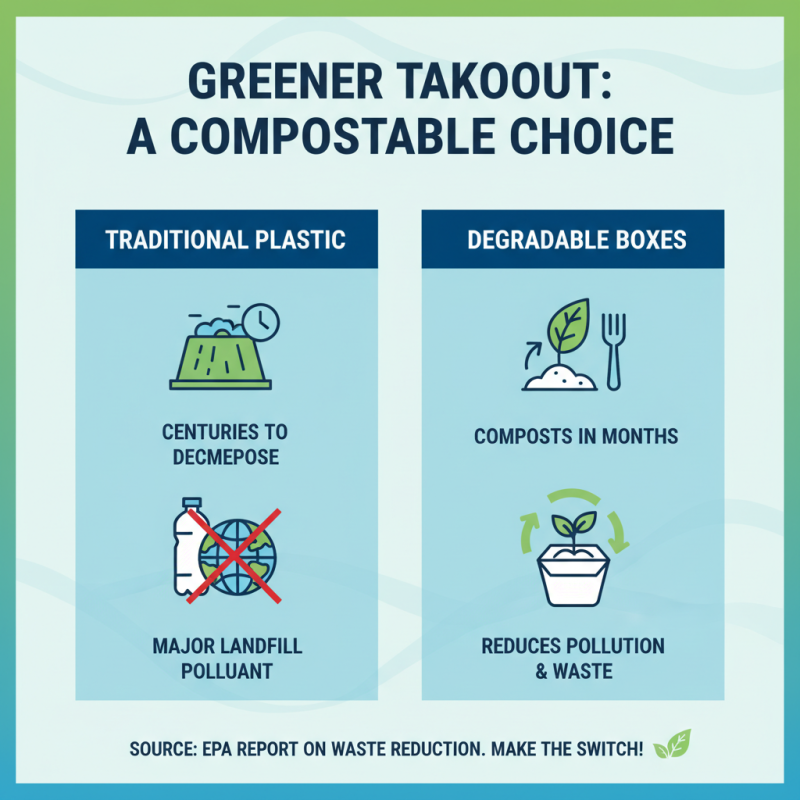
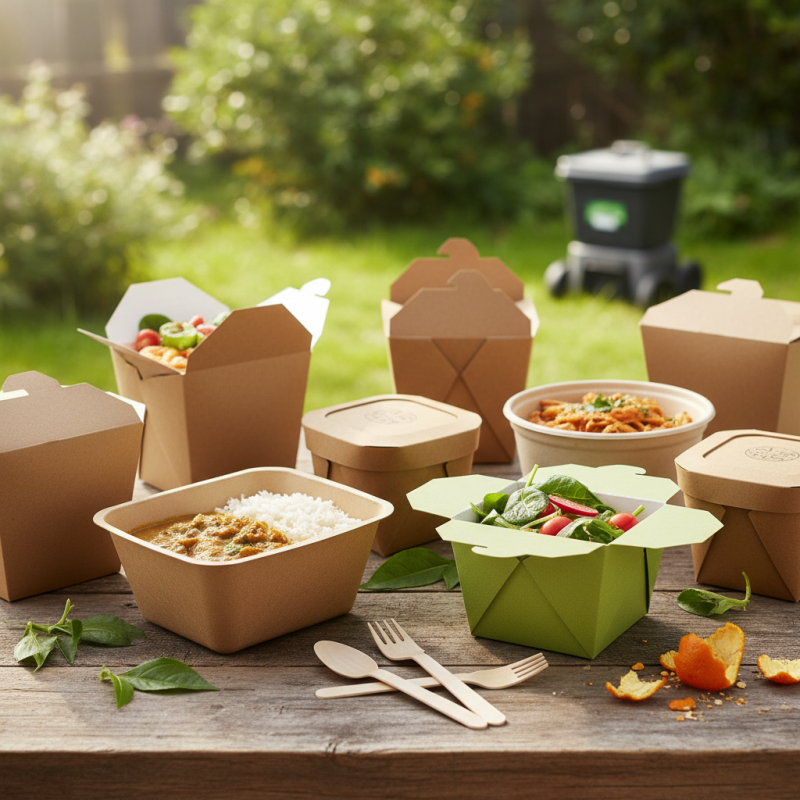
Degradable takeout boxes offer significant environmental benefits. According to a report by the Environmental Protection Agency, traditional plastic containers account for a major portion of landfill waste. In contrast, degradable options break down naturally, reducing pollution. They often compost within months, while regular plastic can take centuries.
Using degradable takeout boxes can help decrease greenhouse gas emissions. A study from a sustainability journal indicated that switching to these materials could cut waste by up to 30%. This shift is vital as we face rising waste management challenges globally. Many consumers are unaware of the long-lasting effects their choices can have on the environment.
Here are some tips for eco-friendly use. Always check for proper disposal options; composting enhances their benefits. If the container isn’t fully degradable, try to recycle it. Additionally, request your food to be packed in these boxes whenever possible. This small change helps promote a sustainable mindset among restaurants and consumers alike. Lastly, consider carrying your reusable containers, reducing the need for single-use options.
Comparison of Degradable vs. Traditional Takeout Containers
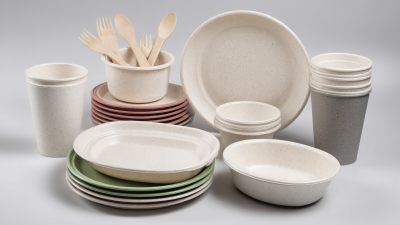
When it comes to takeout containers, degradable options are gaining popularity. These boxes break down more easily than traditional plastic ones. Many are made from plant-based materials. This means they can decompose in a composting environment. On the other hand, traditional containers may linger in landfills for centuries. They contribute to ongoing environmental issues.
Using degradable containers has its benefits. They are often lighter, making them easier to carry. However, not all degradable containers work the same way. Some require specific conditions to break down fully. That can be confusing for consumers. Unlike traditional containers, which are largely uniform, degradable ones come in various materials. They may not hold up as well in hot or wet environments.
It is essential to consider proper disposal methods. If a degradable box ends up in a landfill, it may not decompose effectively. Many people still lack awareness about this issue. Educating yourself and others can greatly improve the effectiveness of these eco-friendly options. Small actions, like choosing the right container for the right occasion, can help.
Comparison of Degradable and Traditional Takeout Containers
Statistics on Plastic Waste and its Impact on Ecosystems
Plastic waste is a major global issue. Statistically, about 300 million tons of plastic are produced each year. Nearly half of this plastic is disposable. A significant portion ends up in oceans, harming marine life. Turtles ingest plastic bags, mistaking them for jellyfish. Fish, too, encounter plastic, which then enters our food chain.
The impact of plastic waste on ecosystems is alarming. It disrupts habitats and can lead to extinction. Birds are found with stomachs full of plastic. Coastal areas filled with trash diminish tourism. Communities often spend substantial resources cleaning up plastic pollution. These efforts sometimes feel futile, given the sheer volume of waste generated.
Adopting more sustainable alternatives, like degradable takeout boxes, can lead to better practices. Simple changes in our daily habits can make a difference. Yet, some people are reluctant. They may find degradable options too expensive or less convenient. Awareness and education are key. It is essential to address these concerns openly, promoting a culture of eco-friendly choices.
Tips for Proper Disposal and Recycling of Degradable Containers
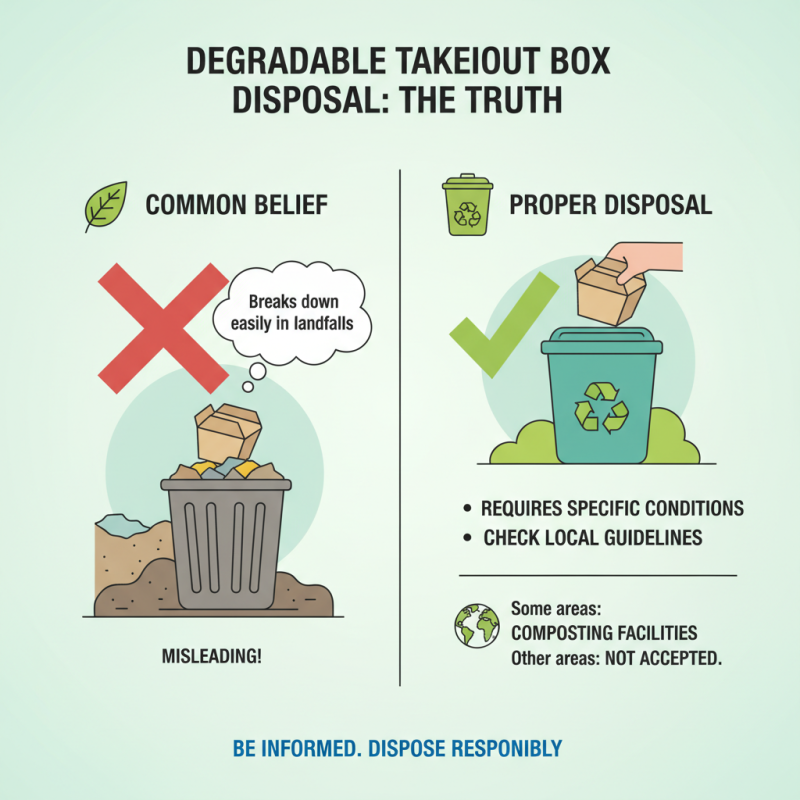
When using degradable takeout boxes, proper disposal is crucial. Many believe these containers will decompose in landfills, but this is often misleading. They need the right conditions to break down. It's vital to check local waste management guidelines. Some areas have composting facilities, while others do not accept these materials.
Before disposal, clean the boxes to avoid contamination. Scrape off leftover food and rinse if possible. This helps with the recycling process. If a box is contaminated with grease or food, it may end up in the trash instead. Remember, not all degradable containers are recyclable. Many require specific facilities that may not exist in your area.
Educate yourself on local recycling programs. This will guide you in making eco-friendly choices. Even small steps matter. Consider using reusable containers when possible. Each choice contributes to reducing waste and promoting sustainability. It's a journey, and learning is part of it. We can always do better.
Consumer Trends: Rising Demand for Eco-Friendly Packaging Solutions
The demand for eco-friendly packaging solutions is on the rise. A recent report shows that over 70% of consumers prefer sustainable options. This trend is reshaping many industries, especially food and takeout services. People are more conscious of their environmental impact. As a result, they seek biodegradable and compostable materials for their packaging needs.
Degradable takeout boxes offer a significant advantage. They reduce plastic waste and promote a healthier planet. Many consumers now check for eco-friendly labels. It's important for businesses to adapt. Offering sustainable packaging can enhance brand image. It also meets the rising consumer expectations.
When using degradable takeout boxes, here are some tips. Always choose certified compostable materials. This ensures proper breakdown in composting facilities. Additionally, educate customers on proper disposal methods. Many may not know how to handle these products. Lastly, provide an option for refunds or discounts for customers who return packaging for recycling. Engaging consumers can foster a sense of responsibility.
Degradable Takeout Box Benefits and Tips for Eco Friendly Use
| Benefit/Tip |
Description |
Impact on Environment |
Usage Tips |
| Biodegradability |
Breaks down naturally, reducing landfill waste. |
Less plastic waste and lower carbon footprint. |
Compost after use if not contaminated. |
| Health Safety |
Made from food-safe materials without harmful chemicals. |
Promotes healthier food storage options. |
Avoid using for hot liquids if not designed for it. |
| Durability |
Sturdy enough to hold various food items without leaking. |
Reduces food waste by protecting contents. |
Use properly sized boxes for different types of food. |
| Customization |
Can be printed with branding or designs. |
Enhances brand awareness while being eco-friendly. |
Choose designs that communicate sustainability values. |
| Cost-Effectiveness |
Often competitive in price with traditional options. |
Supports sustainable growth objectives for businesses. |
Compare prices to ensure you get the best rates. |